How to Manage Multiple Property Renovations Remotely
Discover how to manage multiple property renovations remotely with better contractor coordination, site security, project visibility, and risk management.
Managing renovations across a regional commercial real estate (CRE) portfolio means juggling projects at different stages. One property might be vacant after acquisition, another mid-renovation with multiple trades on-site, while a third is nearing completion and tenant handover. Plus, each site has its own timeline, contractors, emails, invoices, and safety issues to deal with.
Physical site visits are still important, but the trouble starts when they become the main way to keep track of routine progress. For investment managers overseeing several construction renovations simultaneously, traveling between sites to check on work can quickly become time-consuming and make it harder to spot delays or issues early.
Remote renovation and property management helps close that gap. With shared systems, managers can keep an eye on contractors, project progress, and security across multiple properties without being physically present at each one. It's becoming an increasingly practical way to manage regional portfolios.
In this article, we’ll cover the main challenges of managing multiple property renovations, 5 practical ways to improve oversight, what to monitor at each renovation stage, and how a unified platform brings it all together.
The Challenge of Managing Multi-Site Regional CRE Portfolios
Managing a single commercial property might seem straightforward, but managing 10, 20, or 40 transitional sites across different regions is far more complex.
Site layouts change constantly during renovations, and each redevelopment stage brings its own challenges, from vacancy right through to handover. Low occupancy rates create predictable windows for opportunistic thieves and organized criminals, while high resale of construction equipment makes renovation sites a common target.
On top of that, investment managers must track progress, contractors, and compliance at sites they can't visit every week.
Here are 5 common challenges investment managers face:
|
Challenge |
What it means for the investment |
|
Visibility gap |
Decisions rely on secondhand or delayed updates from each site |
|
Security vulnerabilities and theft |
Copper, equipment, and materials go missing between site visits |
|
Progress monitoring |
Contractor reports may not reflect actual site conditions |
|
Communication and data silos |
Contractors, property managers, investment teams, and tenants may work from different information |
|
Regional compliance |
Permits, inspections, and recording rules vary between locations |
Here’s how each one plays out in practice:
- Visibility gap: Investment managers often rely on updates from general contractors or local property managers to know what's happening at each site. That's fine when communication is regular and accurate, but when updates are delayed or don't give the full picture, it's harder to spot problems and make informed decisions.
- Security vulnerabilities and theft: Property renovation sites often contain valuable materials and equipment, including copper wiring, HVAC units, and tools. With temporary fencing and limited security, they're more vulnerable to break-ins and theft. Beyond the cost of replacing stolen items, a break-in can delay work while contractors wait for new materials or equipment.
- Progress monitoring: Construction teams are under pressure, and labor shortages can make it harder to keep projects on schedule. In fact, the Associated General Contractors of America (AGC) found in its 2025 survey that 45% of construction firms say labor shortages are causing project delays. Without regular, reliable updates, investment managers may not know a project is falling behind until the delay starts affecting the wider schedule.
- Communication and data silos: Security checks and progress reports often sit in different inboxes and systems. This makes it harder for everyone to stay on the same page. If a property is partly occupied, tenants also need clear updates about noise, access, safety, and vehicle behavior, as poor communication can quickly lead to complaints and frustration.
- Regional compliance: Building permits, inspection schedules, and local regulations can differ between regions. Managers need to keep track of the requirements (including surveillance recordings) at each property to avoid missed inspections, compliance issues, and delays.
Read more:
- Understanding and Preventing Commercial Theft
- 7 Key Risk Factors to Monitor in Transitional Commercial Properties
- How Theft Disrupts Construction Timelines in Value-Add Properties
- Preventing Repeated Equipment Theft at Commercial Renovation Sites
- Understanding Portfolio-Level Risk Management in Commercial Real Estate
How To Streamline Remote Renovation Oversight: 5 Steps
Below, we take a closer look at how to manage rental property remotely, from centralized property management software and real-time surveillance systems to standardized reports and limited physical inspections.
1. Shift from fragmented tools to cloud-based systems
As portfolios grow, so does the number of property management tasks, tools, and systems used to manage them. Each property may also have different security requirements, contractors, and levels of activity, making it harder to maintain consistent oversight. Without remote visibility, property managers may have limited insight into what's happening on-site between visits.
A single cloud-based system, on the other hand, makes remote renovation oversight much easier. Keeping security updates and reports in one shared platform means everyone can access the latest information and generate audit-ready reports from one place, without chasing updates.
2. Implement real-time site security and surveillance
Fixed surveillance systems and on-site personnel have their place, but they're not always practical for renovation projects where layouts constantly change. Perimeters shift, materials move between storage areas, and the building may sit empty for extended periods. Without security that keeps pace, properties are more vulnerable to property crimes like theft, vandalism, illegal dumping, and trespassing.
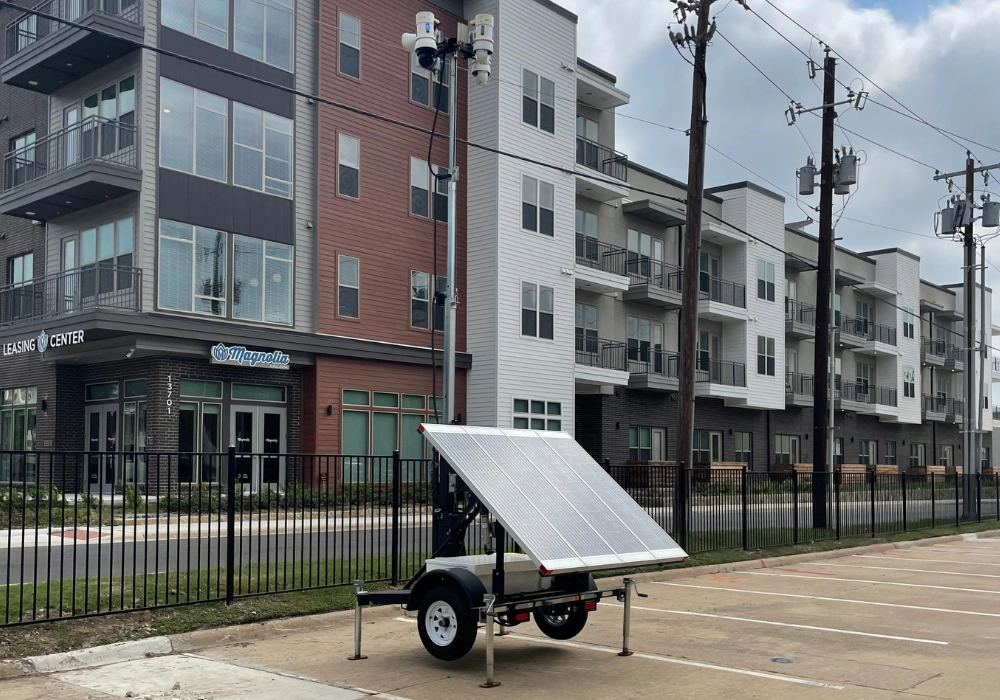
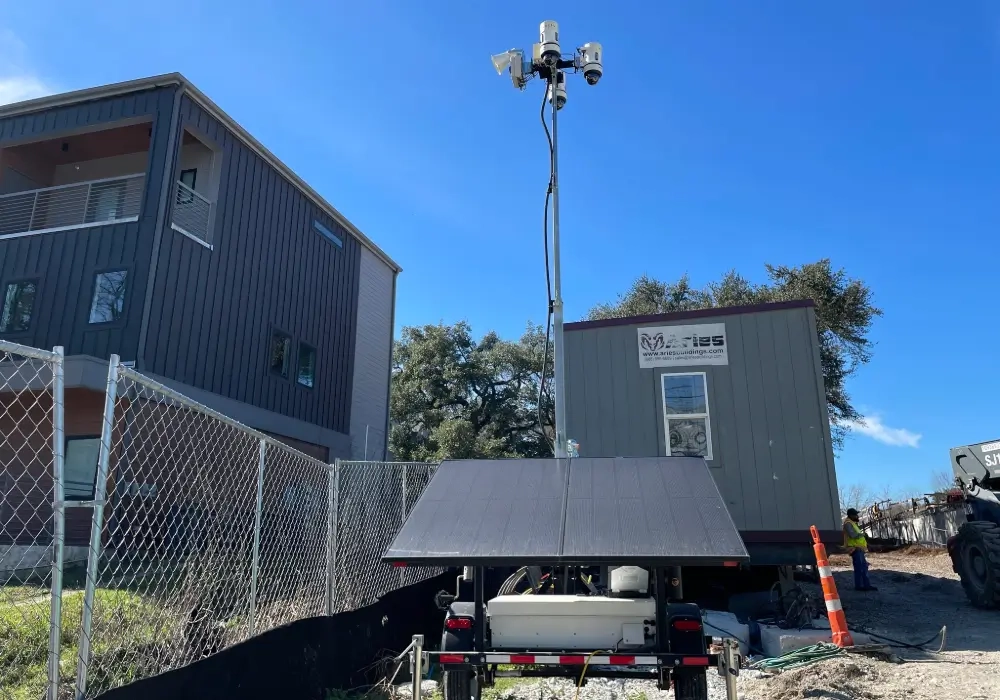
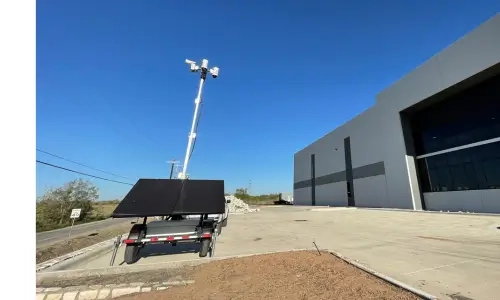
This is where mobile surveillance with live video monitoring can make a big difference, catching potential threats before they escalate. Solar-powered surveillance trailers, like the LotGuard PRO, for example, stand up to 20-feet tall and provide near-360° coverage from PTZ (Pan-Tilt-Zoom), infrared (IR) night vision cameras. Teams can monitor activity remotely because footage is transmitted over secure 5G networks.
AI analytics can flag suspicious behavior as it unfolds, while trained Alarm Receiving Center (ARC) operators verify alerts in real-time. They can initiate various response actions such as issuing live audio voice-down challenges, activating blue strobe lights, or dispatching emergency response when needed. These active deterrents help stop crime before it starts and protect people, property, and assets.
License Plate Recognition (LPR) cameras can also be added to your surveillance setup to monitor vehicle movements in and around renovation sites from afar. The system combines high-resolution imaging, onboard analytics, and intelligent detection to reliably identify vehicles entering or leaving a monitored area. This is particularly helpful for monitoring parking lots, tracking suspicious vehicles, and supporting insurance claims while maintaining clear visibility and access control.
All footage and security alerts feed into a central cloud-based platform, giving CRE managers one place to monitor activity across multiple renovation sites. They can review live and recorded footage, generate reports, and check for issues that need attention. This makes it easier to oversee several projects remotely and prioritize physical property inspections based on where they're actually needed, rather than traveling between properties for routine checks.
Read more:
- Why Property Managers Shouldn't Overlook Remote Monitoring
- Benefits of Remote Video Monitoring for Surveillance Cameras
3. Standardize reporting
Many property managers still rely on spreadsheets and separate reporting systems to keep track of security, contractors, and site activity across multi-site portfolios. But when managing several renovations and rental properties remotely, this makes it harder to compare progress and spot delays.
A standard reporting template (with the same fields, frequency, and progress requirements) gives every project the same structure and makes it easier to see which projects are on track and which are not. Using digital tools, like all-in-one cloud-based platforms (with precise timestamped logs), also means contractors and property managers can see updates and site conditions in one place, allowing investment managers to check progress without chasing information from each site.
Set clear project milestones with each contractor and schedule milestone inspections to ensure quality control and check whether work meets the required standards. A centralized dashboard can track deadlines, delays, and security issues, giving everyone access to the same up-to-date information.
Clear communication is just as important. Set expectations for who provides updates, how often they report, and which channels to use. For occupied commercial buildings, clear communication with tenants is imperative for remote management, ensuring they're informed about planned noise, service shutdowns, and parking changes.
Read more:
- How LotGuard Protects Investor Reporting Across Commercial Property Portfolios
- Centralizing Risk Reporting Across Multi-Site Property Portfolios
4. Delegate routine decisions to local leads
Managing multiple renovations remotely doesn't mean every decision needs to go through the investment manager. Having a local property manager or owner's representative who can approve minor changes, coordinate contractors, or reschedule deliveries helps keep work moving without waiting for approval from someone at another location.
Set clear limits on what local leads can approve, including spending limits, decisions that require sign-off (such as scope changes or anything affecting safety), and when issues should be escalated. By giving both managers and investment teams access to the same cloud platform, local teams can handle day-to-day decisions while investment managers stay informed and in control across the portfolio.
5. Cut unnecessary travel without losing oversight
Travel costs can add up quickly when managing renovations across multiple regions, especially when most trips are for routine progress checks. For example, an investment manager overseeing 4 renovations who visits each site twice a month, with each trip taking a full working day, could spend 8 working days traveling. Much of that time could be saved by checking progress remotely.
With footage, timestamped logs, and reports stored in a unified platform, managers can use scheduled video check-ins to monitor sites without having to travel. In-person visits can then be kept for key milestones, such as major inspections and final handovers. This cuts travel costs, frees up valuable time, and allows CRE managers to focus on higher-value tasks that move the needle, like lease renewals, tenant screening, and portfolio growth.
What to Monitor at Each Renovation Stage
The risks at a renovation site change as work progresses. Knowing what to check at each stage helps investment managers keep track of progress, spot problems early, and protect their properties remotely.
|
Stage |
What to monitor |
How to check remotely |
|
Acquisition/ vacancy |
|
Live and recorded perimeter video; access logs |
|
Active construction/renovations |
|
Timestamped logs; milestone updates |
|
Mid-project changes |
|
Updated scope record; repositioned camera coverage |
|
Lease-up and handover |
|
Timestamped footage and evidence logs; incident reports |
The pre-construction stage is easy to overlook. A newly acquired property may sit empty for weeks while permits are approved and work is planned. During this time, it can be vulnerable to break-ins, theft, loitering, arson, and illegal dumping. Putting vacant property security in place as soon as the property is acquired helps protect it from day one.
Read more:
- A Comprehensive Property Management Risk Mitigation Framework
- Immediate Risk Mitigation Strategies for Newly Acquired Industrial Properties
- Complete Guide to Securing Vacant Commercial Listings During Marketing and Lease-Up
5 Benefits of Cloud-Based Platforms for Multi-Site CRE Portfolios
Bringing security footage, incident records, and site data into a central platform gives investment managers a clearer view of their entire regional portfolio from a distance.
Some of these benefits include:
- Centralized visibility: View every active site from a browser or mobile app with one login.
- Proactive asset security: AI detection and on-site deterrents help stop theft before it delays the next phase of work.
- Audit-ready evidence: Timestamped footage and incident records can support contractor disputes, insurance claims, and investigations.
- Reduced travel and burnout: With the right tools, routine milestone checks can be done remotely.
- Simpler stakeholder reporting: Real-time site data keeps investors, lenders, and teams informed.
For example, an investment manager might receive a nighttime security alert at an industrial property while a second retail renovation, several states away, needs an update for investors.
The next morning, they can review the security footage, check that the response team dealt with the intruders, and share the recording with the local property manager or insurer to process a claim. They can use the second site's live and recorded footage, along with security reports, to review activity and prepare a report. With LotGuard, all of this can be done remotely, without traveling between properties.
Remotely Manage Multiple Properties the Smart Way
Managing multiple property renovations remotely means having reliable information from every site without needing to be there in person. Mobile surveillance helps protect properties between visits and provides a clear record of site activity, while cloud-based systems and standard reporting make it easier for commercial investment managers to stay in control of portfolio-wide assets.
LotGuard's fully-managed surveillance solutions help deter crime and give investment managers real-time visibility across multiple renovation sites from one place. For security that's "Always Awake and Always on Guard", speak with one of our security specialists today.

Contents
[hide]Related news
Preventing Repeated Equipment Theft at Commercial Renovation Sites
Learn how to prevent repeated equipment theft at commercial renovation sites by identifying security gaps and strengthening monitoring and site protection. Read more
ROI Calculator: Preventing Copper Theft in Commercial Property Renovations
Calculate the potential cost of copper theft during commercial property renovations and compare losses against the investment in proactive site security. Read more
Stay on Schedule: Using Mobile Surveillance to Track Property Renovation Projects
Discover how mobile surveillance can improve visibility across property renovations, helping teams monitor site activity, identify disruptions, and stay on schedule. Read more
FAQs
What is remote renovation management?
Remote renovation management means overseeing contractors, progress, budgets, and site security on renovation projects without being on-site, using digital tools and shared systems, video, and standardized reporting.
Can surveillance trailers move between renovation sites?
Mobile Surveillance Trailers, like the LotGuard PRO, can be relocated as site layouts and security needs change. They don't require permanent infrastructure, making them a practical option for renovation sites where fixed systems aren't available or installed yet, including remote locations
Does video footage help with insurance claims on renovation projects?
Timestamped footage can show when an incident happened and what was taken or damaged, which helps support a claim, although documentation requirements vary by policy and insurer.
Contact Us
Request a Quote for LotGuard
Ready to learn more about how LotGuard can protect your Parking Lots and Properties? Get in touch today for a free quote.