
7 Key Risk Factors to Monitor in Transitional Commercial Properties
Learn the biggest risks affecting transitional commercial properties, from theft and vandalism to fire and unauthorized access, and how to mitigate them.
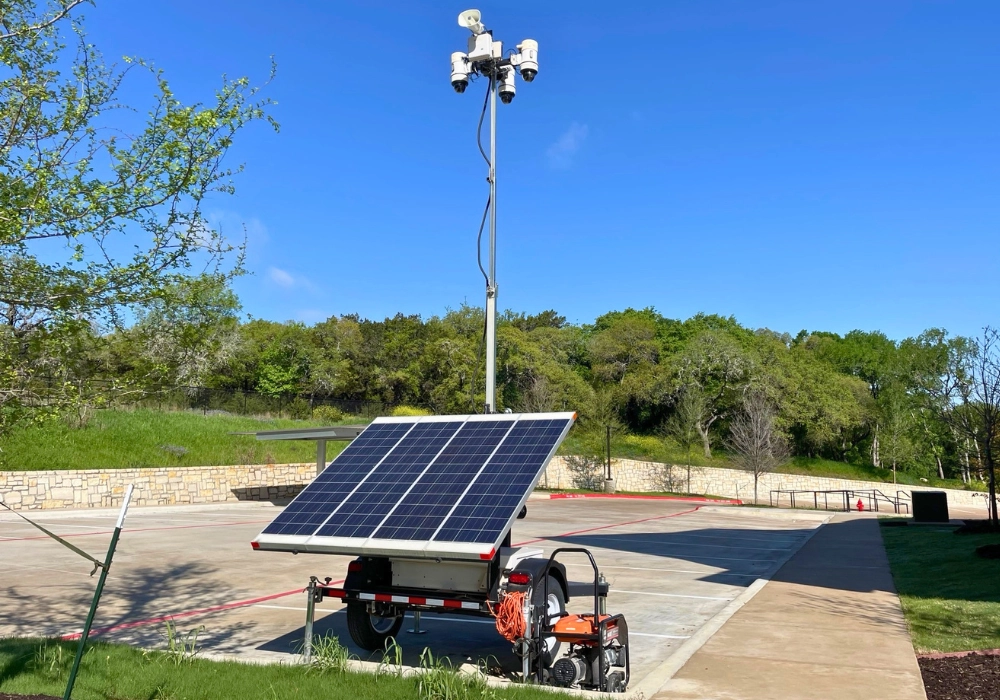
Transitional commercial properties carry more risk than almost any other asset class in a portfolio, and the reason is timing. While a property sits between purchase and steady occupancy, it receives only limited oversight and has no one present day to day to notice anything suspicious.
The risk factors in transitional commercial properties also tend to overlap. A site that's easy to enter attracts unauthorized occupants, and this carries fire risk and vandalism. Visible neglect signals no active property management, inviting further criminal activity. It's a vicious cycle, with each one making the next more likely.
For commercial real estate (CRE) investment managers, this matters because these aren't isolated security incidents. When left unaddressed, they can delay lease-up, inflate capital outlay, complicate insurance, and put pressure on net operating income (NOI) and projected returns.
In this article, we discuss the 7 key risk factors worth monitoring during transition phases and what you can do to prevent them.
7 Commercial Real Estate Risks During Transition (And How To Prevent Them)
Because transitional buildings are usually vacant for extended periods, we've outlined 7 common risk factors that investment managers should actively monitor throughout the acquisition-to-stabilization lifecycle:
1. Theft
Copper theft remains one of the most persistent problems at vacant and transitional sites. Wiring, piping, HVAC coils, and brass fixtures all have high resale value on illicit markets, making them an attractive target on any property with no active security.
Because these components are typically installed early in a renovation, replacing them stalls electrical and plumbing work, which pushes back every trade that follows. That delays lease-up, postpones tenant move-in, and pushes back the point at which the asset starts generating income, all of which suppresses NOI and compresses the internal rate of return (IRR) the deal was underwritten against.
Solution
Secure interior and exterior access points and staging areas before materials arrive on-site, not after the first incident. Visible surveillance with live remote monitoring is very effective because it deters (and timestamps) suspicious activity in real-time rather than documenting it afterward.
Read more:
- Understanding and Preventing Commercial Theft
- Protecting Vacant Units and Fixtures During the Lease-Up Phase
- How Theft Disrupts Construction Timelines in Value-Add Properties
2. Vandalism
Vandalism at commercial properties is a double-edged sword. Not only are marred walls and graffiti unsightly, but they also signal to anyone scouting the premises that the property isn't being actively managed, inviting further criminal activity.
What's more, visible property damage and structural degradation also lower the property's market value, which affects what tenants will pay and what buyers will offer. For repositioning and investment strategies built on increasing value, repeated vandalism and property crime directly eat into your bottom line as repair costs come out of the capital budget that was allocated elsewhere.
Solution
Repair damage and remove graffiti quickly rather than letting it accumulate. Conduct regular site inspections, including parking areas, to check for signs of unauthorized entry and damage. Maintain a visible security presence that makes the site look actively monitored, with surveillance cameras, guard patrols, clear signage, and well-lit access points all acting as strong visual deterrents.
Read more:
- Environmental Risk Factors that Increase Property Crime Exposure
- Commonly Asked Security Questions From Property Managers
3. Fire risk
In the commercial real estate industry, fire damage/arson is one of the few risks capable of derailing a multimillion-dollar deal in a single incident or even resulting in the complete loss of an asset.
Vacant properties are more vulnerable to unauthorized occupants like squatters or loiterers, who may use smoking materials and create makeshift heating and encampments. This all introduces potential ignition sources that increase the risk of fire.
During construction or renovations, hot works such as grinding and cutting create additional fire hazards. At the same time, combustible materials can accumulate on-site if regular upkeep isn't maintained.
Water ingress caused by burst pipes, adverse weather, or vandalism can damage electrical systems and trigger short circuits, while rodent infestations may chew through wiring, creating another potential fire source.
Solution
Secure entry points and perimeters to reduce unauthorized occupancy, enforce hot work protocols (e.g., NFPA 51B) during renovations, and regularly clear combustible waste. Keep unused utilities disconnected, and schedule routine inspections to catch water ingress, pest damage, and electrical faults early.
Continuous 24/7 remote monitoring allows property and investment managers to spot fires or unauthorized access in real-time and escalate before a small issue becomes a total loss.
Read more:
4. Unauthorized access
Squatters, trespassers, loiterers, and vandals all gravitate toward properties that appear unoccupied and unmonitored. Once established, they're difficult and expensive to remove, and legal proceedings can run for months while lease-up timelines stall.
Unauthorized occupancy also brings secondary problems like illegal dumping, sanitation issues, property damage, liability exposure, and clean-up costs that were never in the original budget.
Solution
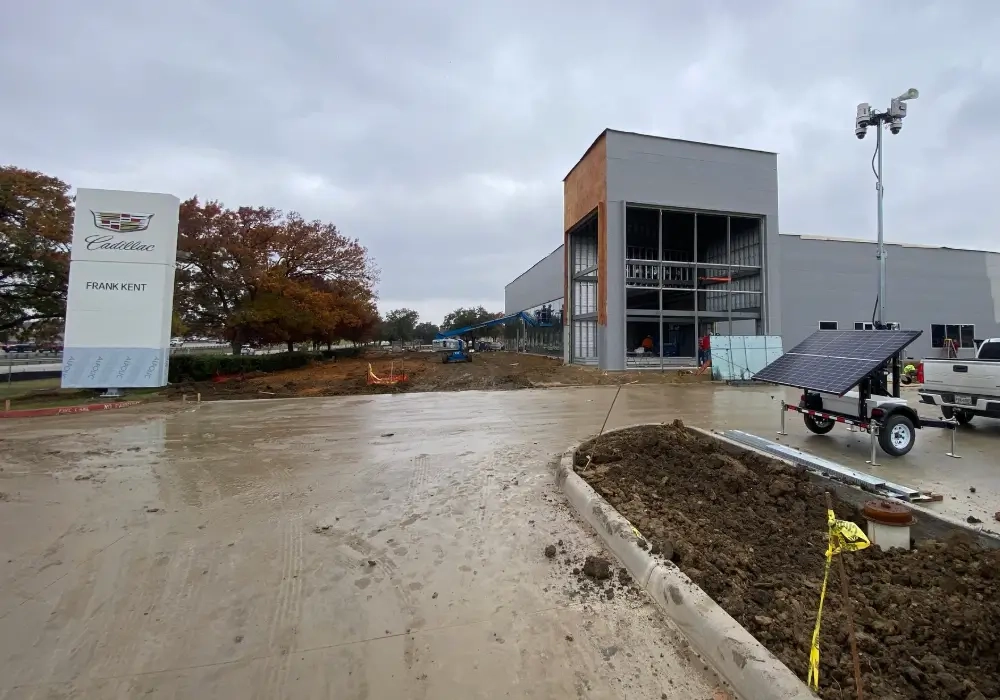
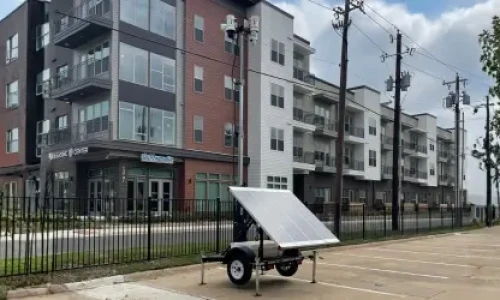
Perimeter security is your first line of defense with secured entry points and adequate lighting to eliminate blind spots and dark corners. For example, parking lots often provide easy access to a property, meaning that monitoring these areas helps stop unauthorized visitors before they reach the building. By combining mobile surveillance and professional live monitoring (like the LotGuard PRO), managers can detect and respond to security breaches before minor issues escalate.
Read more:
- 7 Proven Ways to Reduce Squatting Risk While Marketing Vacant Properties
- Frequently Asked Questions About Vacant Property Security
- How Does Squatting Impact Vacant Properties?
5. Liability exposure
Under negligent security laws, property owners and investment management teams have a legal duty to keep vacant premises reasonably safe. This includes maintaining the property, repairing broken fencing, and taking actionable steps to prevent foreseeable crime and other dangerous conditions.
Failing to meet these obligations can expose owners to premises liability claims, even when the injured person was not invited onto the property. In some cases, even an unauthorized person who enters the site to commit a crime may be able to pursue compensation if they are injured due to unsafe conditions.
On top of this, owners must comply with a range of local, state, and federal regulations, including fire safety requirements, building codes, and other property standards. Non-compliance can result in significant fines, legal action, and increased financial risk.
Solution
Document and maintain evidence that reasonable security measures are in place. Secure hazardous areas, boundaries, and equipment, and consider using a cloud-based monitoring platform to keep a centralized timestamped record of site conditions, incident reports, and audit trails in one place. This creates a verifiable record to support compliance and provide owners and insurers with clear reports should an incident occur.
Read more:
- How to Share Security Reports with Owners
- Top Security Challenges for Property Managers and How to Overcome Them
6. Limited visibility
Most investment managers oversee several transitional assets simultaneously, often across different markets and phases. Without consistent oversight across multi-site portfolios, incidents are discovered after the fact rather than as they happen.
The result? Managers are permanently left in "firefighter mode", where they're reacting to problems instead of proactively preventing them. Attention is pulled to whichever property had the most recent incident, while everything else receives less oversight than before.
Solution
Add-on License Plate Recognition (LPR) cameras positioned at entry/exit points of perimeters and parking areas integrate seamlessly with mobile surveillance units to monitor vehicles and flag suspicious behavior in real-time. Consolidating site activity into a single cloud-based platform rather than managing separate siloed systems per property helps make cross-site patterns visible, while reports on demand simplify updates to owners, lenders, and investors.
Read more:
7. Neglected maintenance
During transition, inspection schedules slip, and small problems compound quietly. Water ingress from a damaged roof or burst pipe can run for weeks undetected, causing structural damage and mold growth that costs far more to remediate than to prevent. Aging electrical systems and utilities left partially connected create fire risk in a building nobody is checking.
Neglected maintenance is also visible from outside. Overgrown vegetation, accumulated debris, unkept parking areas, and deteriorating exteriors signal negligence, which loops back to every other risk on this list.
Solution
Maintain a documented inspection schedule throughout vacancy, and treat exterior and parking lot upkeep as a security measure rather than a cosmetic one. When site visits are infrequent, remote monitoring becomes your "eyes and ears" between inspections for security breaches.
Read more:
Reduce Risk at Transitional Commercial Properties
Transitional commercial buildings don't have to become high-risk properties. By identifying vulnerabilities early and putting the right security measures in place, investment managers can protect asset value, keep projects on schedule, and reduce unnecessary costs throughout the acquisition-to-stabilization lifecycle.
LotGuard's mobile parking lot surveillance solutions are "Always Awake and Always on Guard", delivering 24/7 professionally monitored oversight from day one. Reduce risk at transitional commercial real estate the smart way; the LotGuard way. Speak with one of our security specialists today.

Contents
[hide]Related news
Frequently Asked Questions About Vacant Property Security
Find answers to common questions about vacant property security, from risks and solutions to protecting assets and reducing liability. Read more
How Loitering Impacts Property Tour Conversion Rates
Learn how loitering affects property tour conversion rates by influencing first impressions, safety perception, and tenant decision-making. Read more
7 Proven Ways to Reduce Squatting Risk While Marketing Vacant Properties
Discover 7 proven ways to reduce squatting risk while marketing vacant properties and protect assets during vacancy periods. Read more
FAQs
What happens if risks aren't managed at commercial properties?
If risks aren't managed, commercial properties become more vulnerable to theft, vandalism, fire, liability claims, and costly damage. They also face wider financial risks, such as tenant disruption, lease rollover periods that affect income continuity, refinancing and interest rate pressures, and reliance on local market conditions.
Together, these factors can reduce property value, increase operating costs, disrupt cash flow, and weaken investment returns.
What are the financial risks for commercial real estate?
Financial risks in commercial real estate include more than just property damage. Extended vacancies reduce net operating income (NOI), push capitalization (cap) rates higher, and delay stabilization.
Owners may also experience reduced rental income, tenant credit risk, and higher operating costs caused by theft, vandalism, and repairs. On top of this, insurers may impose higher premiums or stricter coverage requirements, while unexpected capital expenditure can put additional pressure on cash flow and investment returns.
Contact Us
Request a Quote for LotGuard
Ready to learn more about how LotGuard can protect your Parking Lots and Properties? Get in touch today for a free quote.