
How Theft Disrupts Construction Timelines in Value-Add Properties
Learn how theft delays construction timelines on value-add properties by disrupting renovations, increasing costs, and impacting project schedules.
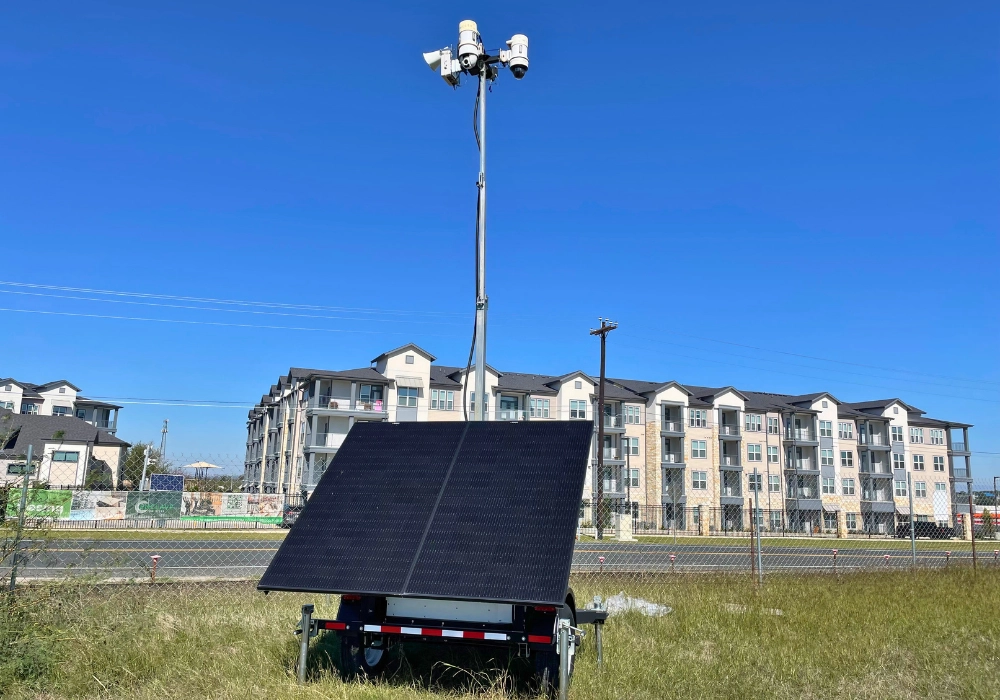
Commercial real estate (CRE) investment managers already know construction site theft is a problem. What isn't as obvious is how a single incident can derail the construction timeline of a value-add property. Repeated theft can lead to contractor standstills, unbudgeted expenses, insurance complications, and project delays that push back lease-up and stabilization.
If copper cabling or other building materials are stolen, contractors often can't move to the next phase of the construction project until replacements arrive. That disruption can bring crews to a standstill, delay inspections, extend vacancy, and postpone income generation while holding costs continue to climb.
For investment managers, theft prevention isn't simply a security issue but rather a crucial part of maintaining project momentum, protecting valuable assets, and avoiding unnecessary erosion of the internal rate of return (IRR).
This article explores how theft disrupts construction in value-add properties, what's typically targeted and why, and what investment managers in the United States are doing to mitigate risk in the construction industry and keep projects on schedule.
Why Value-Add Properties are Prime Targets for Theft During Construction
Several factors increase construction risks for commercial real estate and make them easier to target during acquisition through repositioning:
-
Open "unfinished" layouts: Renovation projects have fewer physical barriers, making it easier for opportunistic thieves and organized criminals to enter, steal materials, and leave unnoticed.
-
Vacant or partially empty properties: With fewer tenants and workers on-site, there are fewer “eyes and ears” to notice suspicious behavior or report if anything looks off.
-
Inconsistent site activity between trades: Gaps between crew shifts (after hours, weekends, holidays, etc.) create predictable windows where nobody's watching, and ones criminals actively exploit.
-
High-value construction equipment and materials: Copper wiring, generators, plumbing, tools, and other construction materials are often stored on-site with little security, making them attractive targets for quick sales on illicit markets.
-
Limited [perimeter] and access control: Temporary boundary fencing and incomplete site infrastructure create easy access points for thieves, trespassers, loiterers, vandals, and squatters.
-
Little to no active security: Without monitored live video surveillance or other robust security measures, vacant value-add sites present a lower perceived risk to criminals, increasing the likelihood of attempted theft, break-in, arson, and vandalism.
Read more:
Stolen Items During Value-Add Repositioning Projects
Value-add repositioning projects often involve vacant buildings and phased renovations, with valuable assets stored on-site before installation. These conditions make certain construction materials and equipment particularly appealing to criminals.
Copper and metal components
Copper wiring, piping, metals, HVAC coils, and brass fixtures are commonly stolen during renovation projects. Because these components are generally installed early in the construction process, replacing them can delay electrical and plumbing work, creating knock-on effects for the trades that follow.
Vehicles and machinery
Construction vehicles and heavy machinery are often left on-site between sites or overnight. When machinery goes missing, contractors may have to pause site preparation and/or reschedule tradesmen until replacements are available.
Equipment and high-value inventory
Construction timelines are also disrupted when essential power tools such as drills, saws, compressors, and generators, as well as inventory like lumber, fuel, and light fittings, are stolen. When equipment theft occurs, every part of the positioning schedule is compromised, from renovation to marketing to lease-up.
While the items vary, they are all attractive to thieves for the same reason:
- They're valuable
- Relatively easy to remove
- Difficult to trace once they've entered secondary markets
What's more, construction site theft is rarely the only issue managers have to deal with. Vacant, unsecured sites are 3 to 5X more likely to experience property crime, arson, and illegal dumping compared to occupied premises. Without proper construction site security, this creates further delays and unexpected costs for the investment managers overseeing them.
Read more:
How Theft and Crime Disrupt Construction Timelines (Beyond the Loss Itself)
At a value-add property, the real cost of theft and crime goes far beyond just replacing stolen goods. Every week a project falls behind schedule is another week the property isn't generating an income or the returns investors expect.
This plays out in the following ways:
Schedule overruns
Contractors work to tightly planned schedules. When materials or equipment are stolen during a value-add repositioning project, delays stack up quickly.
For example, if copper wiring is stripped from a partially completed building overnight, electricians can't finish their work. That means drywall installation is delayed, painters can't start as planned, and the building inspection you booked weeks ago may need to be rescheduled.
In some cases, permits and approvals also need to be revalidated before work can continue, showing just how quickly multiple trades and project progress can be disrupted following a single theft.
Contractor downtime
Crime doesn't just cost you the tools; it destabilizes project momentum while contractors wait for repairs/replacements and for the site to be secured.
For instance, if a jobsite is broken into over the weekend, there are not sufficient resources to work with when the crew arrives on Monday. While investment managers deal with law enforcement and insurers, workers may have been reallocated elsewhere in the interim. Getting them back means slotting into their calendar now, which could take weeks if they have other jobs booked.
Insurance and compliance complications
Without credible evidence of what happened and when, insurers may scrutinize or dispute claims following theft or damage at your value-add site. Repeated incidents can also lead to compliance complications, increased insurance premiums, and stricter policy terms. Crime's snowball effect not only adds operational complexity but also leads to other hidden costs and hiccups that prevent projects from moving forward.
Delayed leasing activity
Construction delays eventually reach a point where they affect leasing efforts. If commercial real estate isn't ready for occupancy, marketing campaigns are postponed, and lease dates are pushed back.
Every delay adds to the time it takes to stabilize the property. This means rental income arrives later while holding costs continue to climb. The result? Lower net operating income (NOI) and pressure on projected IRR. Beyond the financial impact, missed milestones can make it harder to maintain confidence with stakeholders and investors who expect the project to stay on schedule.
Read more:
- Commonly Asked Security Questions From Property Managers
- Protecting Value-Add Property Investments During the Acquisition-to-Lease-Up Phase
How the Risk Compounds Across Multi-Site Portfolios
The problem with theft is that it never really stops at the site where it happened. When a break-in happens at one property, it diverts attention and resources from other active projects in your portfolio, particularly those standing vacant during repositioning.
Say copper theft hits a site in the middle of a renovation. Instead of focusing on the rest of the portfolio, investment managers are left to reactively manage the fallout. Contractors need to be rescheduled, repairs need to be done, and before long, other sites aren't getting the same level of oversight.
Instead of proactively managing risk, investment teams end up reacting to whichever property needs immediate response after the latest incident. Time that should be spent on acquisitions or preparing assets for lease-up is redirected toward resolving avoidable disruptions.
Without consistent visibility across multiple sites, it's also harder to spot patterns or emerging crime trends. The same vehicle may be circling the site multiple times over several days, or multiple sites may experience trespassing incidents before a more coordinated theft occurs. Viewed alone, these events may seem unrelated, but across an entire portfolio, it shows a pattern.
As portfolios grow, so does the operational burden of managing security across multiple vacant and transitional properties. Theft stops being an isolated incident and becomes a portfolio-wide challenge that consumes time, increases costs, and distracts teams from keeping projects on schedule and assets moving toward stabilization.
Read more:
Why Traditional Security Approaches Fall Short for Value-Add Properties
Conventional security measures, such as on-site personnel and static surveillance cameras, often struggle to keep pace with the realities of fast-moving value-add projects. Vacancy periods and ongoing construction activity are not what traditional methods were designed to protect and, therefore, create opportunities for theft and other unlawful behavior.
Here's a quick overview:
On-site security guards are expensive, and the cost of 24/7 protection (at $35-$75+ per guard/hour) is hard to justify for properties that aren't yet generating an income. Even then, guards can only be in one place at a time. While patrolling one area, other access points and boundary lines remain unmonitored, creating blind spots that criminals actively look for.
Static security cameras also have their downfalls. Because they're fixed to a single location, they cannot provide wide-area coverage as construction progresses and site layouts change. Most systems have "record-only" functionality with no real-time deterrence value should potential thieves enter your site. Installation is also costly, with many providers requiring long-term contracts that don't always suit temporary repositioning projects.
Mobile surveillance, on the other hand, closes that gap. Rapid deployable units are easy to relocate as property renovations move rather than staying fixed to one spot. With AI-video analytics and remote monitoring built-in, these systems deter theft and crime before it escalates. This helps to maintain project momentum, protect investment assumptions, and avoid unnecessary IRR erosion.
Read more:
- Vacant Property Security: Guard Services vs Mobile Surveillance
- Comparing Alternative Surveillance Options for Vacant Listings
How to Prevent Theft Disruptions in Value-Add Properties
To prevent theft and security breaches and protect assets, look for these mobile surveillance features:
|
Feature |
Why it matters |
|
Rapid deployment |
Coverage that's in place within hours, not days. |
|
Autonomous operation |
Solar-powered units (like the LotGuard PRO) with 4G/5G connectivity don't rely on mains power and WiFi. |
|
Pan-Tilt-Zoom (PTZ) surveillance cameras |
Provides near-360° exterior coverage to detect and deter crime before it begins. |
|
Security incidents are addressed in real-time through professional monitoring centers, rather than after the fact. |
|
|
Smart access control add-ons |
Add-on License Plate Recognition (LPR) cameras to monitor vehicle activity and capture details in real-time. |
|
Relocatability |
Security that moves with every stage of your repositioning project, from acquisition to lease-up. |
|
Portfolio-wide oversight |
Cloud-based reporting consolidates all site activity into a single dashboard and generates reports on demand. This is particularly useful for multi-property investors. |
|
Cost-effective solutions |
Short-term, scalable coverage that fits temporary construction timelines. |
LotGuard provides mobile surveillance systems designed to secure commercial value-add properties and parking lots. Our solar-powered surveillance solutions deploy quickly, operate without fixed infrastructure, and combine AI detection and remote monitoring to maintain portfolio-wide visibility.
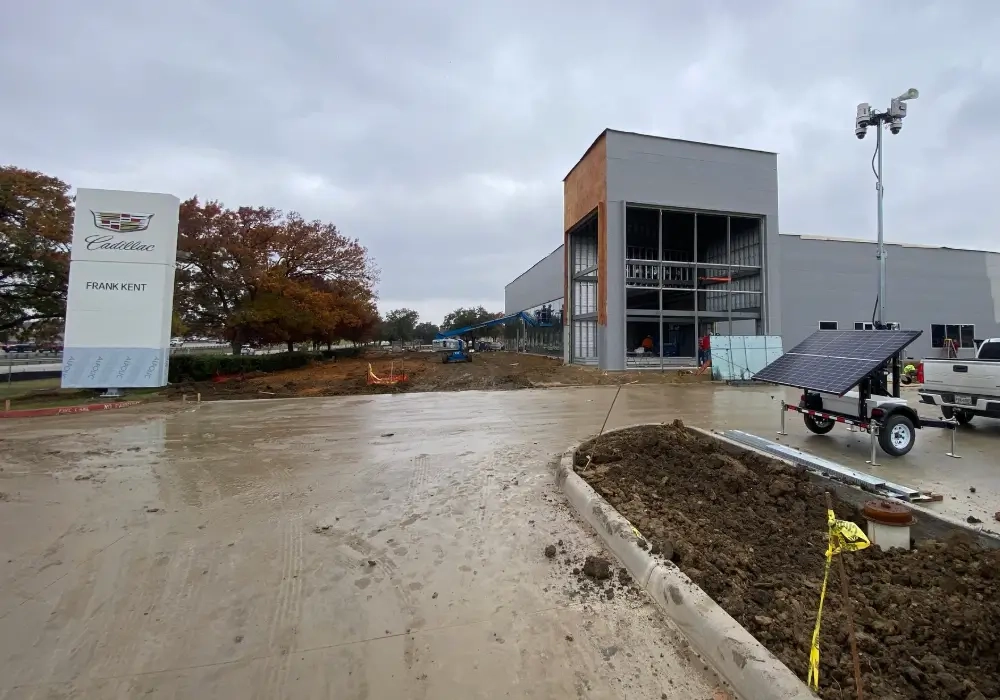
Keep Construction Timelines for Value-Add Properties on Track
Repeated theft disrupts construction timelines, delays lease-up, extends stabilization, and puts unnecessary pressure on NOI and projected IRR.
Understanding why value-add properties are targeted is the first step. The next is putting the right security measures in place. By securing vacant assets with mobile surveillance, investment managers can significantly reduce theft and prevent unauthorized entry to keep timelines moving forward.
LotGuard's mobile parking lot surveillance solutions are built for the exact conditions of value-add properties. With headquarters in Texas and a nationwide deployment network, our systems are "Always Awake and Always on Guard", protecting project timelines and ensuring 24/7 site security from day one.

Contents
[hide]Related news
How Crime Affects Internal Rate of Return on Value-Add Property Deals
Learn how crime can reduce the internal rate of return (IRR) on value-add property investments through increased costs, delays, and leasing challenges. Read more
A Comprehensive Property Management Risk Mitigation Framework
Build a 4-step risk mitigation framework for property management, covering physical security, liability, and exterior monitoring. Read more
How to Protect Real Estate Owned Property from Crime
Learn how to protect real estate owned properties from theft, vandalism, and trespassing with proactive security strategies. Read more
FAQs
How much does theft actually delay a value-add property that's under construction?
When theft occurs during a construction or renovation project at a value-add property, the biggest impact often comes from the ripple effect that follows, rather than the value of stolen equipment alone. Replacement lead times, contractor remobilization, rescheduled inspections, and permit revalidation can all delay the construction schedule.
For real estate investment managers, these delays can extend the time before a property reaches lease-up and stabilization, increasing holding costs and prolonging rental generation in the interim.
Why are value-add investments attractive targets for crime?
Value-add properties are attractive to criminals because they're often vacant, undergoing renovations, and usually have high-value materials and equipment stored on-site with little (to no) security in place.
How can I prevent construction site theft during value-add projects in the U.S.?
The best way to protect a value-add property during construction or renovation in the U.S. is to secure access points, install adequate lighting, and enhance construction site security with mobile surveillance to deter criminals and detect suspicious activity in real-time. These measures can help prevent theft and unauthorized entry that may damage your investment and delay the property's transition to stabilization.
Contact Us
Request a Quote for LotGuard
Ready to learn more about how LotGuard can protect your Parking Lots and Properties? Get in touch today for a free quote.