
Why Vacant Commercial Properties Face Elevated Fire Risk During Transition
Learn why vacant commercial properties face a higher fire risk during ownership transitions and how proactive monitoring helps protect assets and investments.
Fire damage is one of the few risks that can derail a commercial deal in a single incident. According to the U.S. Fire Administration, there were 110,000 fires in nonresidential buildings in 2023, resulting in more than $3 billion in losses. Compared to 2014, that's a 19% increase in fires and a 10% increase in dollar losses.
For commercial real estate (CRE) investment managers, a fire is more than another operating risk. Unlike theft and vandalism, which often result in recoverable losses, a major fire can remove an asset from your portfolio entirely or severely delay redevelopment.
Fire risks in vacant commercial properties are especially high during transition, such as between acquisition, renovation, and lease-up. Buildings often sit empty for extended periods, utilities may be half-connected, contractors come and go, and there are fewer people around to spot problems forming.
The good news is that many of the factors that increase fire risk during vacancy are visible and preventable. This article covers why vacant transitional commercial buildings face higher risk, how fire damage affects real estate investments, and what maintaining visibility during vacancy actually looks like in practice.
Why Vacant and Transitional Buildings Face Higher Fire Risks
Vacant buildings, across retail, office, and other industrial real estate, are inherently risky during the stretch from acquisition through renovation to lease-up. Theft and other property crimes are more common during this window, but so is fire because these sites typically lack natural surveillance and remain uninhabited for extended periods.
Below, we discuss 5 key reasons behind this:
1. Lack of security
Unsecured vacant and transitional properties face significantly higher risk of fire, environmental damage, and theft than occupied premises. Studies have found that unsecured vacant properties are more likely to experience arson, with around 61% of fires being set intentionally, compared to 35% at secured sites.
Without proper security and perimeter control, vacant sites (including parking and exterior areas) are also more vulnerable to unauthorized occupancy. Squatters, trespassers, loiterers, and encampments can introduce ignition sources such as open-flame cooking, makeshift heating, candles, and discarded cigarettes/smoking materials. Because these buildings are often unoccupied by legitimate inhabitants, small fires can go unnoticed and unreported until they have spread significantly.
Vandalism further compounds the problem. According to the "broken window theory", visible signs of neglect signal a property isn't actively managed, which in turn can encourage further criminal activity. As unauthorized access increases, so do the opportunities for deliberate fire and accidental ignition.
Read more:
- How Does Squatting Impact Vacant Properties?
- Environmental Risk Factors that Increase Property Crime Exposure
- 7 Proven Ways to Reduce Squatting Risk While Marketing Vacant Properties
2. Neglected maintenance and oversight
During transition periods, inspection and maintenance schedules can slip, which means deterioration goes unnoticed. Electrical malfunction is also a persistent cause of fires in nonresidential buildings, and vacant sites are where those faults are least likely to be caught early.
On top of this, utilities are frequently left partially connected or improperly shut down after acquisition, keeping systems live in a building nobody is checking.
Aging electrical panels and temporary wiring installed during renovations/construction, and older equipment left connected between phases can all fail with little warning. In an occupied building, someone is around to notice a tripped breaker or smell electrical fires. In a vacant one, the same fault can develop into an active fire before anyone is aware of it.
Additionally, water ingress from storms or burst pipes can reach electrical systems and cause a short. Without pest control in place, pests can also chew through wiring insulation, exposing live copper wiring and posing a severe risk of hidden electrical fires inside walls or ceilings.
3. Construction work
Repositioning projects (construction, renovations, demolition) introduce fire hazards that aren't present in a stabilized, occupied building. Hot works, such as welding and grinding, generate sparks and intense heat, making it one of the leading causes of construction-related fires. As a result, contractors must follow strict safety protocols and fire codes to reduce the risk of ignition.
The National Fire Protection Association (NFPA) identifies heat sources from cutting and welding being carried out too close to combustible material as a major contributing factor to these fires. To reduce risk, NFPA 51B requires written hot work permits, combustible materials be moved at least 35 feet away where possible, and a fire watch to remain in place for at least one hour after hot work is completed.
For value-add commercial sites, that post-work window can be one of the most vulnerable. Once crews leave for the day, a smoldering ignition point can continue burning for hours in an empty building, increasing the likelihood of a blaze.
4. Combustible debris
As mentioned, maintenance and upkeep can easily slip during transition periods and between contractor phases, allowing waste to build up unnoticed. Recognizing this risk, Chapter 19.2 of NFPA 1 (the Fire Code) requires combustible waste and debris to be removed daily.
Construction materials that aren't properly disposed of, such as scrap lumber, PVC piping, and insulation, can become an available fuel source if a fire starts. Illegal dumping around vacant properties can also create the same problem.
Outside the premises, whether that's around boundary lines or parking lots, overgrown vegetation, dried leaves, and weed growth add more "fuel to the fire", carrying a fire from an exterior ignition point to the building itself.
5. Delayed detection
The final risk isn't how quickly a fire starts, but how long it burns before anyone notices. Even a small ignition source can escalate into a major incident if there's no one around to spot smoke or call emergency services. As a result, fires in empty commercial properties are often more serious than those in occupied buildings and can also threaten neighboring properties and communities.
In an occupied property, tenants, employees, or property owners usually spot problems early. Vacancy removes that natural surveillance layer altogether. A fire that would have been reported within minutes at an occupied site can burn undetected until flames or smoke become visible from the street.
By that stage, significant damage is already done. Delayed detection gives fires more time to spread and slower emergency response increases the chances of completely losing the asset. Industry reports have noted that vacant building fires are also more dangerous for responders, injuring thousands of firefighters annually.
Warning Signs of Increased Fire Risks at Unoccupied Buildings
Fire risk rarely appears without warning. In most cases, there are early warning signs that a vacant commercial property is becoming more vulnerable to fire, whether from unauthorized access, deteriorating building conditions, or combustible materials accumulating on site. Identifying these issues early allows investment managers to intervene before a small hazard becomes a major loss.
|
Early warning sign |
What it may indicate |
What to look for |
|
Evidence of trespassing |
Unauthorized entry, squatters, or ongoing criminal activity, which can escalate to vandalism or arson |
Bedding, trash, food waste, signs of occupancy, drug use |
|
Broken windows/damaged fencing |
Weak perimeter security and easier access for ignition sources or illegal occupation |
Broken glass, cut fencing, forced doors |
|
Graffiti/vandalism |
Neglect and low oversight, which can attract more suspicious activity and arson risk |
Marred walls, broken fixtures, possible recent fire activity |
|
Electrical issues |
Higher ignition risk from aging, damaged, or improperly managed systems |
Exposed wiring, flickering lights, tripped breakers |
|
Illegal dumping |
Combustible fuel source and signs that the site isn't monitored |
Piles of trash, yard waste, furniture, construction materials |
While no single sign guarantees a fire, multiple indicators often point to a property that's becoming increasingly vulnerable. The earlier these issues are recognized, the easier they are to address. Maintaining consistent visibility during periods of reduced occupancy helps investment managers mitigate fire risk and preserve long-term asset value.
Read more:
How Fires Affect Commercial Real Estate Investments
Commercial real estate fires affect properties in more ways than one.
Structural degradation is the obvious concern, impacting the building's structural integrity and introducing collapse hazards due to compromised supporting systems. Smoke damage can penetrate porous materials such as walls and ceilings that come with high replacement costs, and water damage from firefighters presents other hazards like mold growth.
For commercial real estate investment managers, however, the consequences extend well beyond repairing the building. A fire during acquisition, renovation, or lease-up can disrupt investment timelines, increase operating costs, and reduce the property's financial performance.
What this means for commercial investment managers
- Asset and income loss: Partial or total loss of a property can eliminate rental income, increase capital expenditure, and delay the asset's return to revenue generation.
- Reputational harm: Investors and insurers raise questions about how the asset was managed and protected if a commercial site is lost to fire during vacancy.
- Insurance complications: Vacant properties often have stricter insurance requirements. Without clear evidence of what happened and when, claims may be delayed or disputed.
- Liability exposure: Fires can spread to neighboring properties, result in legal liabilities (e.g., premises liability) if someone is injured on-site, and cause environmental damage through hazardous materials, smoke, and firefighting runoff.
- Reduced property value: Unexpected repair costs and extended vacancy suppress net operating income (NOI), which can impact valuations and projected internal rate of return (IRR).
- Operational disruption: Major fire- and arson-related damage can derail contractor timelines, push back lease-up strategies, and delay tenant move-in dates.
- Damaged investor confidence: Preventable fire damage puts your professional reputation on the line, making it harder to secure future investments.
Read more:
10 Ways to Reduce Fire Hazards in Vacant Commercial Buildings
The U.S. Fire Administration recommends 4 core actions for reducing fire risk in vacant buildings: monitor, secure, inspect, and mark. Together, they help building owners and managers identify hazards early and limit opportunities for arson.
The checklist below builds on those principles and outlines 10 practical steps commercial investment managers can take to minimize risk:
-
Conduct regular inspections. Routine inspections help identify electrical faults, water damage, deteriorating building systems, and signs of unauthorized entry before they become fire hazards.
-
Secure all entry points: Ensure doors, windows, roof access points, and other openings are properly secured to reduce unauthorized access and limit opportunities for deliberate fires.
-
Secure perimeters: Repair damaged fencing, remove graffiti promptly, and keep boundary lines secure. A well-maintained perimeter discourages trespassing, vandalism, and other activity that can increase the risk of arson.
-
Remove combustible materials: Clear construction waste, illegal dumping, packaging, overgrown vegetation, and other combustible debris daily, as per NFPA 1 requirements.
-
Disconnect unused utilities: Safely disconnect electricity, gas, and water systems that aren't required during vacancy. Leaving utilities partially connected can increase the likelihood of electrical faults and accidental ignition from burst pipes or floods.
-
Install temporary fire detection systems: Smoke detectors, heat detectors, fire alarms, and fire doors help identify fires sooner, reducing the time between ignition and emergency response.
-
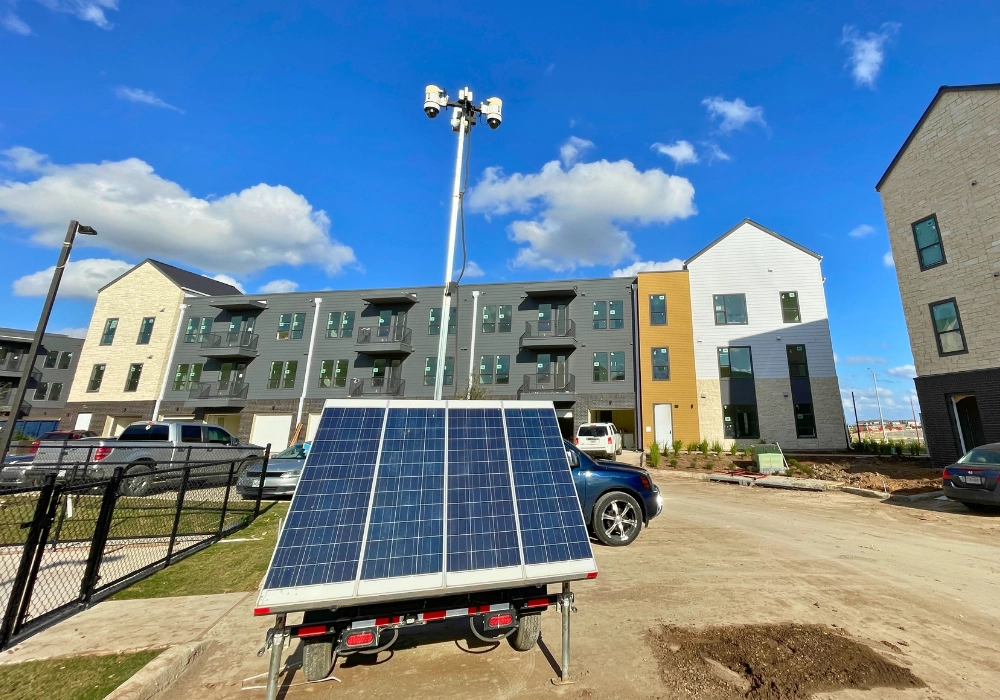
Use mobile security measures: Temporary parking lot surveillance systems (like the LotGuard PRO) equipped with wide-angle PTZ cameras and AI-powered video analytics can deter trespassing, detect suspicious activity, and provide a recorded timeline of events leading up to a fire.
-
Consider 24/7 remote monitoring: Professional live remote monitoring provides continuous visibility across vacant properties, allowing operators to verify potential fire hazards or suspicious activity and escalate incidents before they become major losses. When combined with cloud-based monitoring, teams can access live footage and incident history from anywhere, improving oversight and response times across entire portfolios.
-
Consolidate multi-site activity into one dashboard: Cloud-based monitoring platforms give property investors a single, centralized view of live feeds, historical footage, and incident data across their portfolio. This makes it easier to identify crime patterns, detect safety risks earlier, share evidence with insurers and law enforcement, and generate reports in just a few clicks. With access from any connected device, property investors can manage multiple properties more efficiently from one view.
-
Monitor vehicle access: Add-on License Plate Recognition (LPR) cameras help track vehicles entering and leaving vacant properties, alongside mobile surveillance, which makes it easier to identify repeat visitors, investigate suspicious activity, and detect patterns that may indicate an increased risk of arson.
Read more:
- Best Practices for Rapidly Securing New Listings
- The Role of Mobile Surveillance in Modern Property Management
- A Comprehensive Property Management Risk Mitigation Framework
- Benefits of Remote Video Monitoring for Surveillance Cameras
- Comparing LotGuard to Alternative Surveillance Options for Vacant Listings
Monitor Fire Risks Before They Become Major Losses
Fires in vacant commercial properties have the potential to derail multimillion-dollar deals in a single incident. While not every fire is preventable, many of the conditions that allow them to start are.
Recognizing early warning signs, following NFPA fire safety codes during repositioning, keeping on top of routine inspections, and reducing opportunities for unauthorized access all help protect vacant assets.
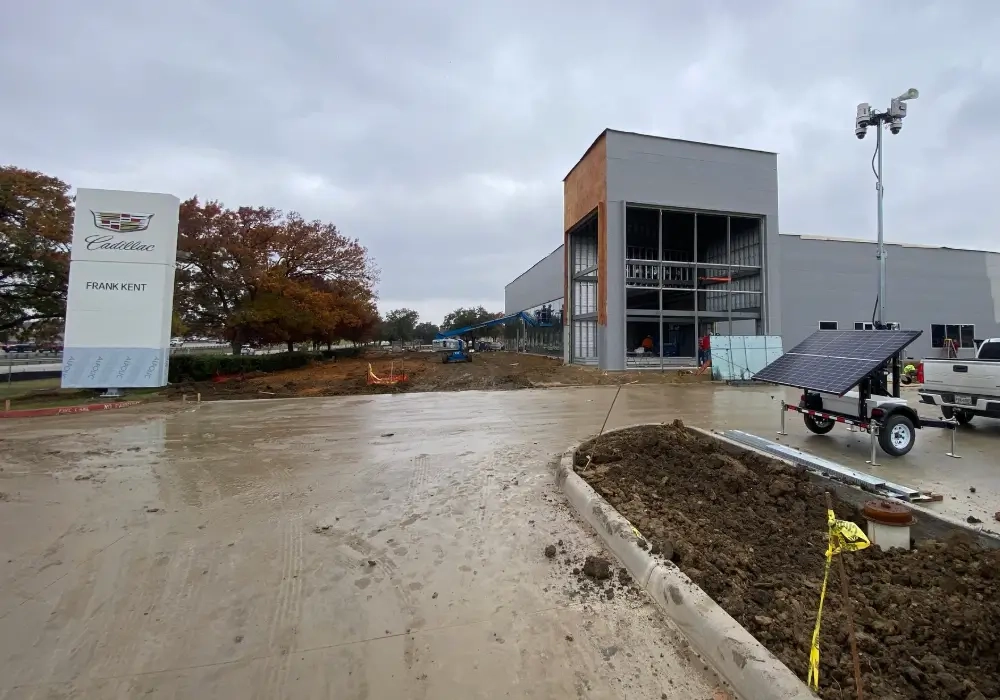
LotGuard's mobile parking lot surveillance solutions help commercial investment managers maintain consistent visibility across the entire transition period. With AI-powered analytics and live remote monitoring, our systems are a flexible and cost-effective security solution that helps prevent fire risks from day one.

Contents
[hide]Related news

Vacant Property Security: Guard Services vs Mobile Surveillance
Compare guard services and mobile surveillance for vacant property security and learn which option offers better protection and cost efficiency. Read more
7 Proven Ways to Reduce Squatting Risk While Marketing Vacant Properties
Discover 7 proven ways to reduce squatting risk while marketing vacant properties and protect assets during vacancy periods. Read more
How Much Does Vacant Property Security Cost?
Discover the true cost of vacant property security and how different solutions compare in price, coverage, and effectiveness. Read more
FAQs
What is the biggest cause of fires in vacant commercial buildings?
Arson, or intentionally set fire, is the leading cause of fires in vacant commercial buildings. This is largely because these premises are perceived as low risk to criminals due to a lack of security and regular foot traffic.
Do insurers cover fire for commercial buildings?
Insurance providers generally cover fire damage under "commercial property fire insurance" policies. These policies help cover financial losses from fire and smoke damage, including repairs to structures, replacement costs for damaged assets, and liability for damage to neighboring properties.
However, insurance coverage is typically limited when premises stand empty for longer than 60 consecutive days. Premiums may also increase by 50-100% for long-term vacant buildings after six months of vacancy. It's advised to confirm these details with your provider.
Contact Us
Request a Quote for LotGuard
Ready to learn more about how LotGuard can protect your Parking Lots and Properties? Get in touch today for a free quote.