
Parking Lot Maintenance Checklist for Property Managers
Discover a practical parking lot maintenance checklist for property managers to support safety, compliance, and long-term asset protection.
For property managers and commercial property owners, a parking lot is one of the highest-liability areas on any site. It's also one of the most overlooked and neglected. Minor cracks are often ignored until they develop into potholes, and poor lighting increases the risk of crime, putting tenants and visitors at risk.
This parking lot maintenance checklist for property managers provides practical steps to identify hazards before they turn into lawsuits. It covers everything you need to know, from pavement deterioration inspections to signage and security monitoring. Follow it consistently, and you'll catch problems early, control costs, and demonstrate due diligence to insurers and regulators alike.
Why Parking Lot Maintenance Matters
A recent survey found that 67% of commercial property managers have documented parking lot hazards that haven't been repaired, and 89% operate on a "reactive maintenance" model, only fixing problems after they've already caused damage. For most property owners, being reactive to safety hazards is costly and can often result in a liability claim.
Here are the benefits of making regular maintenance a top priority:
Less liability risk
Poor upkeep exposes commercial property owners to higher liability than properties that follow a regular maintenance schedule. Pavement breakdown, faded striping, poor drainage, and inadequate lighting are common causes of trip hazards, vehicle damage, vandalism, and security incidents. When left unaddressed, property managers may be found negligent, leading to costly fines and compensation claims.
Tenant retention and curb appeal
Your parking lot is the first thing tenants, customers, and potential buyers see. A surface lot with visible potholes, untidy sidewalks, graffiti, unsecure perimeters, limited security, and dim lighting sends a negative message that not only looks unsightly but also impacts leasing opportunities and renewal rates.
Improved traffic flow
Faded striping, missing directional arrows, and damaged speed bumps all contribute to driver-pedestrian confusion and near misses. Clear, well-maintained markings maintain smooth traffic flow for both cars and pedestrians, keeping liability exposure to a minimum.
Asset protection
A properly cared-for asphalt surface can last 20-25 years or more, preserving your industrial, commercial, or residential property's long-term value. When maintenance is neglected, surface deterioration accelerates, often cutting its usable lifespan in half. Preventive measures like routine crack sealing are more cost-effective than a full surface replacement.
Reputation and safety
Parking lots are prime targets for vehicle break-ins, vandalism, and other types of crime, like illegal dumping and homeless encampments. With 70% of parking lot crime occurring after dark, a lot that looks unmanaged attracts the wrong kind of attention that puts tenants' safety and your professional reputation on the line.
Cost control
Regular parking lot maintenance (e.g., pothole repair, proper drainage, crack filling) is a cost-saving benefit for facility managers because it prevents small issues from escalating into costly repairs or full replacements. Routine inspections help identify cracks, uneven surfaces, drainage issues, and structural failure early, reducing liability and unplanned emergency repairs that strain operating budgets.
Read more:
-
Nighttime: The Biggest Security Threat for Property Managers
-
Top Security Challenges for Property Managers and How to Overcome Them
7 Common Causes of Parking Lot Damage
Understanding what's degrading your parking lot makes it easier for issues to be addressed early:
-
Water intrusion: Water seeps through asphalt surfaces, creating cracks and weakening the base layer. In colder months, repeated freeze–thaw cycles cause expansion and contraction that gradually break the pavement, ultimately leading to potholes.
-
UV and weather damage: The sun's UV rays break down the asphalt binder, making the surface brittle, faded, and more prone to cracking. Sealcoating provides a protective coating that shields the surface from UV exposure. De-icing chemicals, dirt, and debris also erode the asphalt surface over time.
-
Heavy traffic loads: Delivery trucks, loading zone machinery, dumpsters, and high traffic volumes all exceed what standard parking surfaces were built for. High traffic areas often experience the most surface wear and accelerated damage.
-
Poor drainage: Standing water, especially after heavy rains, is a red flag for parking lots. If water sits for more than 24 hours, there's either a drainage issue or a grading problem, both of which will lead to pavement deterioration and shorten the lot's lifespan.
-
Surface wear: General traffic flow, oil stains, and chemical leaks all wear down the surface layer over time. Regular cleaning and pressure washing help slow this down, even when lots stand vacant.
-
Poor upkeep: Neglecting small cracks, faded line striping, pedestrian walkways, and pooling water allows minor issues to escalate into major problems. When the necessary repairs are delayed, surface wear accelerates and safety hazards increase, causing further damage and costly repairs later on.
-
Limited security: An unsecured parking lot can attract criminal activity. Vandalism, graffiti, and illegal dumping all degrade asphalt surfaces and reduce property value. Vehicle takeovers and illicit drag racing leave tire marks and place excessive stress on surfaces, while homeless encampments can bring about trash buildup, spills, and fire damage that further accelerate surface deterioration.
Read more: Your Top Questions Answered: Parking Lot Security Solutions
7 Parking Lot Maintenance Tips Every Property Manager Needs
Most parking lot damage is preventable. A well-maintained parking area improves safety, reduces liability, and protects the long-term value of your property.
The commercial parking lot maintenance checklist below helps you catch issues early and fix them while they're still manageable:
| Maintenance task | Frequency | Notes |
| Surface inspections | Quarterly/seasonally | Best seasons for inspections and repairs: spring and fall |
| Crack sealing | Biannually | Sealcoating every 2-3 years |
| Lot sweep and clean up | Monthly | Regular sweeping monthly; power washing quarterly |
| Signage and line striping | Annually | Restripe parking bays after sealcoating |
| Drainage inspection | Biannually and after major storms | Clear drains and gutters before winter |
| Perimeter and landscaping checks | Monthly | Ensure sightlines are clear |
| Security audit | Monthly | Ensure surveillance systems are working, improve lighting, and remove graffiti (i.e., visible signs of neglect) swiftly |
Tip #1: Conduct regular parking lot inspections
Walk the parking space each season and look for:
-
Small cracks, potholes, and/or surface damage
-
Standing or pooling water after severe weather conditions (e.g., heavy rain, snow, hail)
-
Uneven surfaces and/or trip hazards
-
Lighting, including dim or low-light areas
-
Signs of fading, oxidation (gray/brittle look), or general surface wear
Early detection prevents small problems from escalating into major structural failures.
Tip #2: Seal cracks promptly
Surface cracks are the most common issue for parking spaces and should be inspected biannually. Here are a few different kinds and how to treat them:
-
Hairline cracks: Minor cracks that can usually be treated with crack sealing to prevent water intrusion.
-
Alligator cracking: Indicates structural failure and requires extensive repairs, such as patching (i.e., pothole repair) or full-depth replacements.
-
Edge cracking: Caused by poor drainage or erosion, and requires edge repair or surface patching.
Sealcoating should be done every 2-3 years to protect asphalt surfaces against UV damage, moisture, and oil stains. It's one of the most cost-effective ways to extend your lot's lifespan and reduce hefty replacement costs.
Tip #3: Keep parking areas tidy
Property management teams should:
-
Schedule regular sweeping to remove debris, sand, and dirt (monthly)
-
Schedule power cleaning at least 2-4 times per year
-
Remove trash and debris promptly, especially after storms
-
Clean oil stains and chemical spills using asphalt-safe products
Clean surfaces drain better and experience less premature wear.
Tip #4: Maintain clear line striping and signage
-
Ensure new marking of parking stalls, fire lanes, and crosswalks every 1-2 years
-
Replace faded stop signs or damaged signage immediately
-
Refresh curbs, loading zones, and no-parking areas at least once a year
-
Ensure all accessible parking spaces are ADA-compliant (annually)
Clear parking lot striping and signage improve traffic flow and reduce safety hazards.
Tip #5: Check drainage
Insufficient drainage speeds up pavement breakdown and creates slip hazards.
To prevent this:
-
Ensure drains, gutters, and curbs are clear (especially before rainy, winter weather)
-
Add trench drains to prevent water intrusion
-
Use grates for high traffic areas
-
Hire a maintenance company to assist with drainage issues
-
Ensure a minimum 1-2% slope toward drains by milling low areas
-
Address drainage and grading issues as soon as possible (ongoing)
Tip #6: Check perimeters and landscaping
Overgrown vegetation creates blind spots and increases security risks around your commercial property. Proactive prevention helps maintain visibility and deter unwanted activity.
For proactive prevention, follow these best practices:
-
Keep sightlines clear, especially near entrances and exits
-
Schedule monthly perimeter and landscaping cleanups (e.g., mow lawn, trim bushes, prune flowers, etc.)
-
Install anti-climb perimeter fencing and proper lighting to discourage loitering, trespassing, and criminal behavior
Tip #7: Address safety and security concerns
Keeping parking lots safe should go hand in hand with property maintenance. Security inspections are best done monthly to ensure safety across all parking areas.
Make sure to:
-
Repair damaged pedestrian walkways
-
Improve overall lot lighting
-
Install surveillance systems with remote video monitoring for 24/7 protection
-
Remove graffiti, illegal dumping, and debris promptly
-
Keep records of action/s to prove due diligence
Read more:
Where Security Monitoring Fits into Parking Lot Maintenance
A parking lot maintenance plan typically focuses on the physical surface, but an annual security audit should be on the same checklist.
Lighting coverage, camera placement, and monitoring capability all degrade over time without intentional upkeep. Camera angles might shift, or coverage gaps might widen. Unlike a pothole, you often don't know the gap exists until after an incident has already happened.
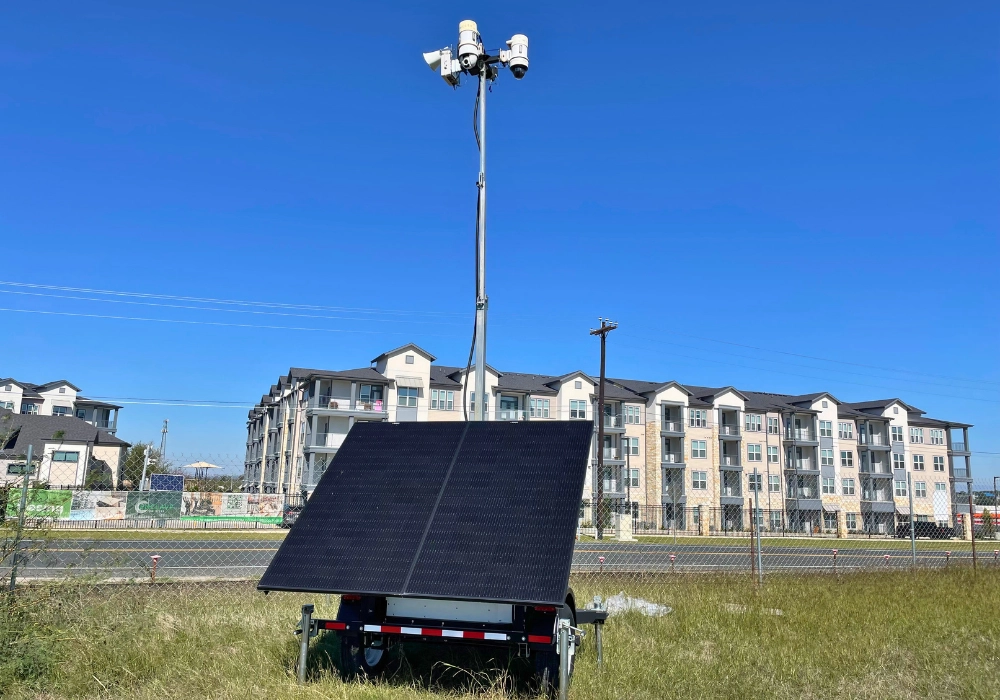
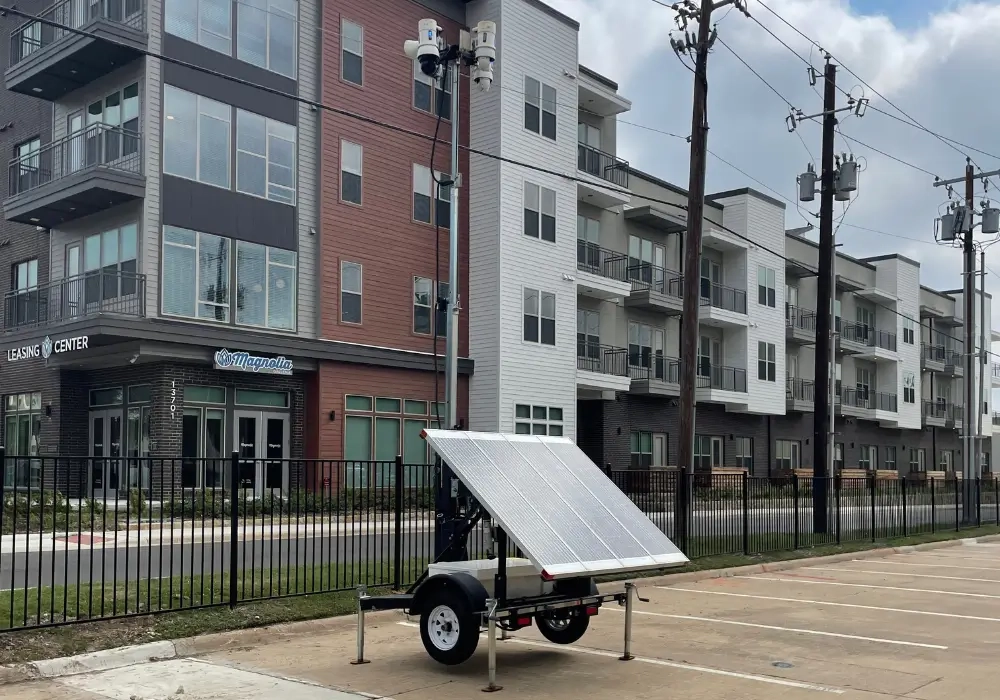
This is where the LotGuard PRO fits into a maintenance plan. The solar-powered mobile surveillance trailer deploys anywhere on your lot, with no fixed power or internet required. Standing up to 20-feet tall with near-360° visibility, it creates a visible deterrent that traditional fixed cameras can't match.
When paired with 24/7 live monitoring through our Interactive Surveillance Operations Centers (ISOCs), the system moves from passive recording to active crime prevention, where alarms are verified, audio warnings are issued, and law enforcement is dispatched when needed.
Add-on License Plate Recognition (LPR) cameras add another security layer. They capture plate data at entry and exit points, flag repeat vehicles, and provide time-stamped evidence that's useful for both police and insurance purposes.
For teams managing multiple sites, our cloud-based platform pulls everything together in one platform: footage, alerts, and analytics across your full portfolio. Here, property managers can review live and historical site data and generate reports all in one place.
Read more: Why Property Managers are Turning to LotGuard for Security
 Make Your Parking Lot a Managed Asset, Not a Liability
A neglected parking lot is one of the highest-liability areas on any property. A single unpaired pothole or poorly marked walkway can lead to costly injuries, insurance claims, tenant complaints, and long-term reputational damage that far outweighs the cost of routine maintenance.
The checklist above provides a clear framework to stay ahead of these risks. By setting regular inspection schedules, prioritizing preventive upkeep, and integrating safety and security into your review process, you can protect both your budget and your property's value.
LotGuard's mobile parking lot surveillance solutions give property managers the visibility to control their parking areas. With active monitoring and rapid response, our systems prevent vandalism, illegal dumping, and surface lot takeovers that accelerate surface damage and increase liability.
If you're looking to transform your parking lot from a reactive problem area into a well-managed, protected asset, speak with our security specialists today.

Contents
[hide]Related news

The State of Property Crime in the US (And How to Protect Yours)
Explore the current state of property crime in the US and learn how smarter security solutions can help protect your property. Read more
Why Parking Lot Safety Is Critical to Tenant Retention in Commercial Properties
Parking lots are a key touchpoint for tenants. Here’s how improving safety can reduce churn and boost retention. Read more

Environmental Risk Factors that Increase Property Crime Exposure
Property crime often comes down to opportunity. This guide explores the key environmental risk factors that make properties vulnerable, and how the right conditions can deter criminals before they act. Read more
FAQs
Why is routine maintenance necessary for parking lots?
Regular maintenance is essential for parking lots as it helps identify cracks and other hazards before they cause significant damage or lead to costly compensation claims.
How often should a parking lot be inspected?
A parking area should be inspected once in the spring after the freeze-thaw cycle and again in the fall before winter weather sets in. High-traffic lots or those in harsh climates should be inspected quarterly.
When is the best time for facility managers to inspect parking areas?
Spring is generally the best time to inspect and repair parking spaces.
Contact Us
Request a Quote for LotGuard
Ready to learn more about how LotGuard can protect your Parking Lots and Properties during the holidays? Get in touch today for a free quote.