
Why Parking Lot Safety is Critical to Tenant Retention in Commercial Properties
Parking lots are a key touchpoint for tenants. Here’s how improving safety can reduce churn and boost retention.
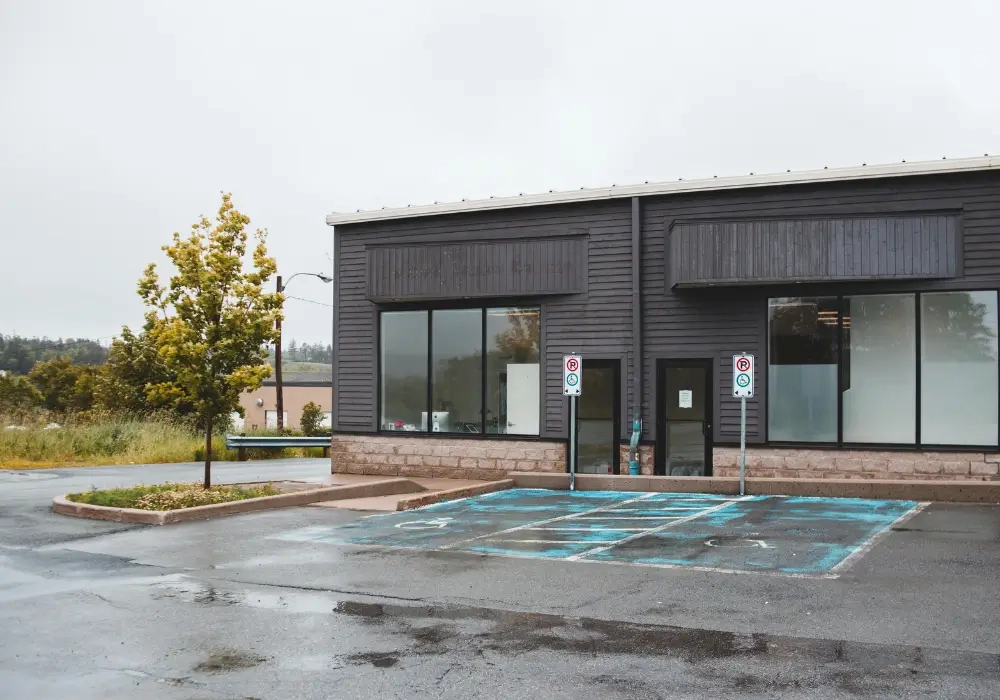
Parking lots and garages are among the most crime-prone locations in the United States. Bureau of Justice Statistics data from 2022 shows that 40% of all property crimes take place in parking facilities, and FBI figures indicate that parking lot crimes have climbed 25% since 2019.
For commercial property management teams focused on tenant retention, these statistics reveal that parking areas are one of the most vulnerable parts of a property.
This matters because tenant retention in commercial properties isn't just about leases and modern amenities. It's about how safe people feel every day when they come and go.
For most tenants, employees, and visitors, a parking lot is the first and last interaction they have with commercial real estate (CRE). If that area feels unsafe and unmanaged, it instantly creates doubt about safety. Even if nothing happens, that doubt can be the difference between retaining tenants and causing them to look elsewhere.
In this article, we'll explore why parking lots directly impact tenant experience and how commercial property managers can secure parking areas with modern surveillance that retain long-term tenants.
Why Tenant Retention Matters for Commercial Properties
Simply put, tenant retention is good for business. Stable, long-term tenants provide consistent cash flow that directly influences your bottom line and company profitability.
Reports estimate that replacing a single commercial tenant can cost property owners roughly $30,000 on average. When a lease renews, property professionals avoid revenue loss and marketing expenses during vacancy periods, which can stretch for weeks or months depending on market trends and conditions.
Beyond direct costs, tenant turnover also impacts property performance on a broader level. Frequent vacancies, tenant churn, and increased crime rates put additional strain on net operating income (NOI). When NOI declines while expenses remain steady, capitalization (cap) rates rise, and property values plummet.
In contrast, a strong tenant retention rate signals stability. It shows that a commercial building is safe, well-managed, and in high demand, all qualities that existing tenants (and potential tenants) look at when deciding to renew. Properties that struggle to keep tenants often suffer reputational damage and become more vulnerable to external risk factors, such as crime and safety concerns.
Read more: How Crime Impacts Cap Rates and Valuation for Commercial Property
The Hidden Risks of Parking Lots in Commercial Real Estate
Parking areas are often the most exposed and least controlled part of a commercial property. They're open and typically active outside normal business hours. When combined with poor lighting and visible signs of neglect (such as trash build-up and graffiti), parking lots can quickly damage a property manager/owner's reputation and tenants' confidence.
Unlike lock-up residential homes, parking spaces are harder to monitor, making them more vulnerable to environmental and security gaps.
Poor visibility and security gaps
Up to 70% of parking lot crime, including vehicle theft and vandalism, occurs after dark. Low light conditions create the perfect opportunity for criminals to operate with minimal chance of being caught.
What's more, even with manned security, guards can't be everywhere at once. This leaves blind spots that criminals exploit. All of these conditions can make tenants and shoppers feel anxious and exposed, while also making it difficult for property management to intervene early.
Issues that could be addressed early (loitering, trespassing, squatting) often escalate simply because no one sees them happen in real-time.
Over time, these unresolved problems erode tenant satisfaction. When people don't feel safe walking to and from their cars or associate the commercial property with neglect, tenants begin to question whether the location still supports their business.
Read more: Nighttime: The Biggest Security Threat for Property Managers
Vehicle theft and vandalism
Parking areas and surface lots are prime targets for vehicle break-ins, catalytic converter theft, vandalism, and other types of property crime, such as illegal dumping and even homeless encampments. It's also been reported that 70% of carjackings occur in parking lots or garages.
While these incidents may not occur inside commercial tenant spaces, they still have a direct impact on tenant loyalty and well-being.
When employees arrive to find damaged vehicles or hear about repeated crimes and vandalism, confidence drops. Even isolated incidents can create the impression that crime is tolerated (or ignored), rather than prevented by commercial property managers. When it's time for existing tenants to renew their lease, they begin to question if it's worth staying when safer alternatives exist elsewhere.
Read more: Top Security Challenges for Property Managers and How to Overcome Them
Liability from poor conditions
Security risks are one part of the problem. A parking lot's physical condition can also create liability exposure. Uneven sidewalks, potholes, poor drainage, broken perimeter fencing, inadequate lighting, faded signage, and maintenance issues are the quickest ways to deter new tenants and reduce long-term retention.
Without visible and proactive oversight, these hazards often go unreported until damage or injury occurs. That leads to insurance claims, legal disputes, and strained tenant relationships. Even when claims or disputes are resolved, the damage to trust is often already done and hard to reverse.
Read more:
- The Importance of Perimeter Security for Commercial and Industrial Properties
- Parking Lot Maintenance Checklist for Property Managers
5 Signs Your Commercial Parking Area is Falling Short
For retail centers especially, parking lot security is often the first impression a property makes, not just for tenants but for their employees and customers, too.
If any of these apply to your commercial real estate, it's worth addressing before the next renewal conversation:
-
Repeat incidents in the same location: If the same corner or entry point keeps showing up in incident reports, you have an ongoing vulnerability. Isolated incidents are manageable; patterns mean the environment is enabling crime.
-
You find out after the fact: Basic surveillance cameras record what happened, but don't stop the incident from happening. When standard security systems only provide footage after an incident, you're operating reactively rather than preventively.
-
Visible damage and maintenance issues: Graffiti, cracked sidewalks, broken lighting, and neglected landscaping all signal to tenants (and opportunistic criminals) that the property isn't managed well. Visible neglect typically invites criminal activity.
-
Poor lighting and lack of active surveillance: Dark corners, unlit stairwells, and surveillance blind spots are the perfect conditions for vehicle crime, vandalism, and squatting. If your lot has areas you can't monitor on a live feed right now, tenants probably feel that too.
-
People frequently report feeling unsafe: Tenant complaints about safety are a direct early warning sign. Ignore them, and you risk losing tenants.
Read more: Your Top Questions Answered: Parking Lot Security Solutions
4 Ways to Keep Tenants Happy and Improve Confidence in Exterior Commercial Spaces
Turning a vulnerable parking area into a tenant retention asset doesn't require a complete overhaul. Here are 4 practical ways to improve confidence at your commercial sites:
Upgrade lighting and access control
Lighting is one of the most cost-effective solutions for surface lot safety. Well-lit areas reduce blind spots and the conditions that criminals depend on. If your current lighting leaves dark zones at entrances, between rows, or near stairwells, that's a good place to start.
Secure access control is also advisable. This limits who can enter and exit specific areas and creates accountability for the whole commercial space. Think barrier gates to block unauthorized entry, keypad/pin entry for tenants and deliveries, and License Plate Recognition (LPR) cameras that scan vehicle plates and keep a digital trail of all movement.
Address maintenance issues
Parking areas with overgrown landscaping, visible graffiti, and structural damage show neglect and make tenants feel uncomfortable. Clear sightlines are a basic Crime Prevention Through Environmental Design (CPTED) principle, where people can both see and be seen. When visibility is unobstructed, suspicious behavior is easier to spot, improving tenants' satisfaction with minimal effort.
Regular, scheduled maintenance (such as monthly inspections) helps catch issues early, often before tenants need to report them. This also demonstrates management's commitment to keeping shared areas clean and well-maintained. And if tenants are happy, lease renewal rates in commercial real estate can reach 85% to 95%, making proactive maintenance a key driver in long-term retention.
Keep communication open
Tenants expect to feel valued and heard when they raise concerns. Fast, transparent response to maintenance requests and security issues builds strong relationships that often convert into renewals.
Keep tenants informed, and set clear expectations for how security matters are reported and handled. Follow up after incidents and show tenants the steps you've taken to prevent them from happening again. It's this kind of open communication that builds positive tenant experience in exterior commercial areas.
Add visible, active monitoring
Active monitoring is where tenant confidence becomes most measurable. Modern mobile parking lot surveillance doesn't just record what happens; it deters crime before it escalates. In fact, commercial properties using LotGuard's security systems have experienced up to 87% reduction in parking lot crime.
Let's take a closer look at a few products specifically designed for exterior spaces:
-
LotGuard PRO: A solar-powered mobile surveillance trailer standing up to 20-feet tall with near-360° PTZ (Pan-Tilt-Zoom) cameras. Equipped with AI detection and remote monitoring, they scan commercial properties 24/7, detecting and deterring crime before it begins. Operators at Interactive Surveillance Operations Centers (ISOC) verify suspicious activity and initiate rapid responses in real-time.
-
LotGuard MINI: A compact, pole camera with 23X optical zoom and infrared night vision. Covering corners and high-risk areas, they continuously monitor parking lots and the surrounding area, alerting property management and security teams the moment suspicious activity occurs.
-
License Plate Recognition (LPR): As add-ons to the LotGuard PRO and MINI, LPR cameras are designed to identify and log all vehicles entering/exiting your commercial property. LPR technology allows security teams to track vehicle movements and maintain better control over access points in real-time.
Our cloud-based platform helps bring this all together, connecting every LotGuard system. Combining cameras, AI detection, and LPR data into one interface, our platform allows commercial property managers to monitor live activity, generate reports, and manage multiple properties from a single platform.
Read more: Three Ways Surveillance Cameras Boost Parking Lot Safety
Retain Commercial Tenants the Smart Way
Parking areas play a major role in how tenants gauge safety and overall property management. They're also one of the most vulnerable parts of a commercial property and the hardest to monitor consistently without proper security in place.
LotGuard's mobile surveillance parking lot units operate autonomously, scale easily across multiple sites, and can be deployed in minutes to help deter crime before it even begins.
If you're looking to retain commercial tenants, investing in smarter parking lot security can be the difference between long-term lease renewals and tenant churn.
Contact our security specialists for a free on-site assessment today

Contents
[hide]Related news
How Crime Impacts Cap Rates and Valuation for Commercial Property
High crime rates can quietly erode millions in property value. Learn how crime impacts cap rates and what it means for CRE investors. Read more
Top 10 Commercial Property Hotspots for Copper Theft Risk
Discover the top commercial property hotspots for copper theft risk and how businesses can better protect high-value assets. Read more
The Hidden Cost of Vacancy in Commercial Real Estate (Beyond Lost Rent)
Explore the hidden costs of vacancy in commercial real estate, from security risks to asset deterioration and operational impact. Read more
Contact Us
Request a Quote for LotGuard
Ready to learn more about how LotGuard can protect your Parking Lots and Properties? Get in touch today for a free quote.