
How Brokers Use LotGuard to Share Security Reports with Owners
Learn how brokers use LotGuard to share security reports with property owners, improving transparency, communication, and confidence.
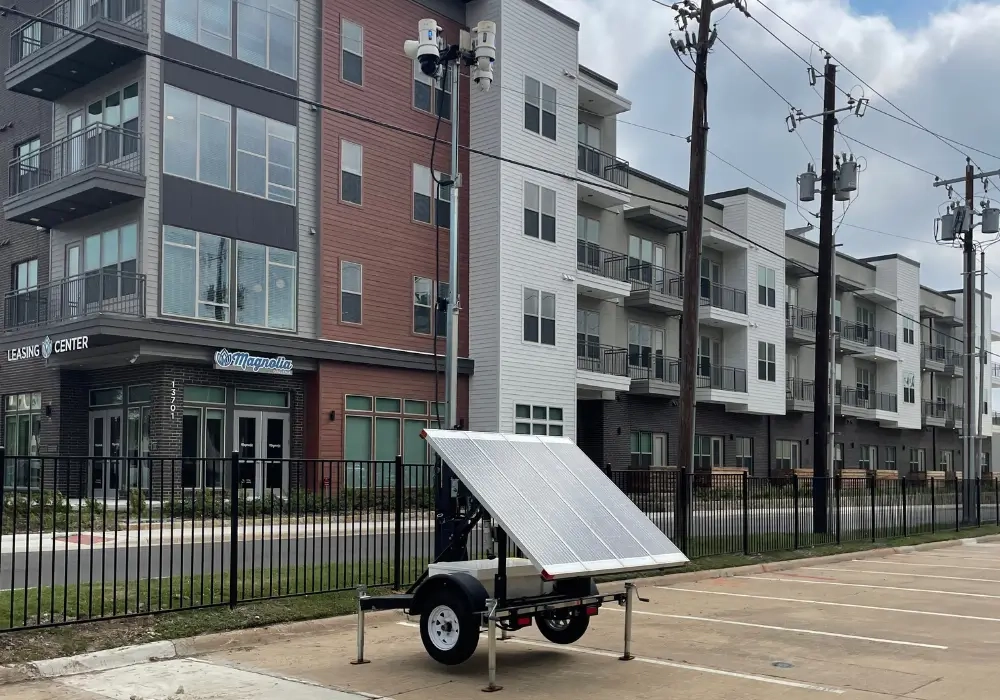
Property owners don't want to hear that everything looks fine at a site they can't see. They want proof, not promises.
For real estate professionals managing vacant or transitional listings, that expectation sits alongside the demands of leasing activity, marketing, tenant communications, and risk exposure across multiple sites. When an incident occurs, and there's no documentation showing what was monitored and what actions were taken, the blame often falls on the broker, putting their reputation at risk.
Traditional reporting methods, such as spreadsheets and informal phone calls, weren't meant to handle this level of scrutiny. They take time to compile and rarely provide the real-time visibility owners now expect.
This is where cloud-based monitoring platforms make a real difference in simplifying reporting obligations. With automated, timestamped reports that can be quickly shared, LotGuard gives brokers a clearer, more reliable way to demonstrate proactive asset management, the kind that builds owner confidence while reducing friction and risk.
Why Security Reporting Matters to Property Owners
Vacant or transitional residential/commercial assets carry real exposure for owners. As most brokers already know, empty properties are more likely to experience theft, vandalism, squatters, and premises liabilities compared to occupied listings.
When something goes wrong, the first question asked is who was responsible for oversight. Clear, documented security reporting answers that question before it becomes a dispute.
Owners' expectations today have risen significantly compared to years ago, and they now expect more than a verbal update or a monthly summary. What are they looking for? Documented evidence of proactive risk management, not just during incidents, but everything between them as well.
That reported risk mitigation matters for:
-
Insurance providers increasingly require documented security measures as a condition of coverage for vacant properties. A clear, timestamped audit trail of monitoring activity supports both coverage and claim outcomes.
-
Legal counsel advises owners to keep records of security measures, particularly regarding premises liability. Under regional, state, and federal negligent security laws, owners must maintain a reasonably safe environment and warn visitors of any hazardous conditions that may cause injury. If a person (authorized or not) is hurt at a listing, a monitoring record helps establish what was in place and how risks were managed.
-
Investors managing property portfolios across multiple locations want standardized reporting across every asset so they can easily compare performance and spot risks. Inconsistent reporting creates gaps that affect how a portfolio is assessed, managed, and ultimately valued.
Accurate, professional security reporting reduces disputes, strengthens broker-owner relationships, helps prevent negligence claims, and protects the asset's value. It also gives brokers/property managers substantial control over how specific information is shared, ensuring the owner stays informed and understands exactly what's being done to protect the property.
3 Ways Real Estate Professionals Share Security Reports with Owners
While sharing security reports with owners is important, not all reporting methods provide the same level of accountability.
Below, we take a closer look at the 3 most common approaches and why the method matters as much as the content.
1. Manual reports
Spreadsheets, PDF summaries, and manually compiled handwritten logs are usually common for smaller brokerages. They're flexible and low-cost, but have limitations. Compiling them takes time, the data is only as accurate as whoever inputs it, reports are based on eye witness accounts, and there's no automatic audit trail.
If an owner disputes a timeline or questions whether a site visit actually happened to verify a theft or trespassing incident, a manual file or report carries very little weight.
2. Verbal or informal updates
Phone calls and email check-ins may feel convenient, but they rarely create the record that owners actually want. When conversations go undocumented, there's no reliable evidence to reference, often leading to a "he said, she said" situation if questions arise later.
For brokers managing commercial assets with owners who are institutionally minded or legally cautious, relying on informal updates can quickly create friction and increase the risk of disputes.
Simply put, "I was told the property was being monitored" carries far less weight than a timestamped activity log when supporting insurance claims or addressing liability concerns.
3. Centralized digital reporting platforms
Cloud-based platforms automatically generate reporting logs from monitoring data, with precise timestamps and shareable exports without manual intervention. Every activity log, vehicle-related incident, and footage clip is stored in one place and is accessible on demand. Reports can be shared with owners in a few clicks, in a transparent and professional format.
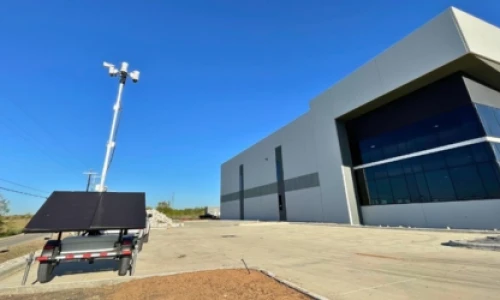
This is where LotGuard's cloud-based security monitoring platform comes in. Every interaction captured by our smart parking lot surveillance systems and cameras (LotGuard PRO, LotGuard MINI, License Plate Recognition (LPR) Cameras, etc.) feeds directly into a centralized dashboard that brokers and owners access from any device.
Reports, with end-to-end encryption, are generated from live data transmitted remotely over secure 4G/5G networks. This avoids compiling reports after something happens, ensuring accurate record-keeping that can be shared instantly for all reporting requirements.
Read more:
What Owners Expect to See in Security Reports (And How LotGuard Can Help)
A security report is only as meaningful as the information it contains.
What should be in a security report for property owners includes:
-
Patrol dates and times: Documented evidence of when the site was visited or monitored, not just a general statement that it was.
-
Timestamped incident logs: A clear record of any property damage, unauthorized access, illegal dumping, theft, loitering, and/or vandalism, with precise location-specific timestamps.
-
Visual proof: Photographs or video footage that correlate with security reports; timestamped logs that show what happened and when.
-
Response actions taken: What was done in response to each flagged event, including any law enforcement contact, on-site inspections, and repair/maintenance issues.
-
Trends or repeat issues: Patterns across the monitoring period, such as suspicious vehicle visits or recurring nighttime activity, that help owners understand evolving risk.
-
Audit readiness: Organized records that can be easily retrieved and shared for insurance inquiries, internal audits, legal purposes, or any other reporting company to demonstrate due diligence without scrambling to recreate timelines after the fact manually.
How LotGuard helps brokers share security reports with owners
|
Feature |
Description |
|
Automated security reporting |
Our surveillance systems log activity continuously. Reports don't need to be compiled manually; they're generated directly from the collected monitoring data with a few clicks of a button. This means accurate, multi-site reports available on demand. |
|
Timestamped activity logs |
Every alert, event, and LPR interaction is logged automatically within the cloud platform and verified remotely by personnel at Interactive Surveillance Operations Centers (ISOC). Each has a precise location-specific timestamp, creating a verifiable record of activity and actions tied to corresponding surveillance footage. |
|
Evidence capture |
Suspicious events (trespassing, perimeter breaches, unusual vehicle patterns) are timestamped alongside correlating video footage and stored in the cloud. This evidence trail is available to quickly share with owners, law enforcement, and insurers when needed. |
|
Audit-ready documentation |
Reports (with searchable timeframes) can be exported directly through our cloud-based platform and can be shared instantly. For real estate brokers who must constantly prove control and credibility, this means clear, professional documentation whenever owners ask for it. |
|
Secure encryption |
Data from our smart surveillance systems is transmitted over secure 4G/5G networks, has built-in end-to-end encryption, and supports multi-factor authentication and secure user access, helping brokers manage permissions and protect sensitive data. |
With LotGuard, brokers no longer have to explain what might have happened on site. They can now show owners exactly what occurred, using clear, timestamped reports, verified activity logs, and supporting evidence that demonstrates active oversight and control.
Legalities of Sharing Security Reports with Property Owners
Security reports can contain sensitive information such as footage of individuals, vehicle data, and incident data. Brokers have legal obligations around how that information is handled and shared with owners.
A few points worth knowing include:
-
Fiduciary duty and confidentiality requirements: Keep clients' personal/financial information confidential unless client consent is given. Brokers should be aware of the federal and state privacy laws where they operate and consult legal counsel for guidance.
-
Personal information handling: Surveillance footage and incident reports may capture personally identifiable information (images, vehicle plate data), and sharing that information externally (beyond property owners) without appropriate consent can create liability. Brokers must collect and retain only what's necessary (including tenant data for residential and commercial lettings: verified income, tax identification numbers, credit history, background checks) and share only with parties for legitimate reasons.
-
Encryption to prevent cybersecurity risks: Real estate professionals are advised to use encrypted systems to store and share sensitive property, client, and security data. Sharing reports through unsecured channels can lead to cybersecurity exposure.
When in doubt, consult a real estate attorney familiar with your state's current data privacy requirements, and use end-to-end encrypted systems, before sharing reports with third parties beyond the property owner.
Send Secure Security Reports with LotGuard
Real estate owners want proof of proactive asset management. The brokers who can consistently provide it are the ones who build long-term working relationships and protect their reputation if incidents occur.
LotGuard's cloud-based, centralized management platform gives brokers everything they need to deliver that proof. Automated reporting, timestamped documentation, incident footage, and secure exportable reports without adding hours of admin to an already demanding role.
With our systems that are "Always Awake and Always on Guard", LotGuard helps brokers maintain visibility, accountability, and control across every site, so owners stay informed, and security risks are documented from day one.

Contents
[hide]Related news
7 Proven Ways to Reduce Squatting Risk While Marketing Vacant Properties
Discover 7 proven ways to reduce squatting risk while marketing vacant properties and protect assets during vacancy periods. Read more
Centralizing Risk Reporting Across Multi-Site Properties
Learn how centralized risk reporting helps property teams improve visibility, streamline oversight, and manage risks across multiple locations. Read more
Frequently Asked Questions About Vacant Property Security
Find answers to common questions about vacant property security, from risks and solutions to protecting assets and reducing liability. Read more
FAQs
What is a security report in real estate?
A security report documents monitoring activity, incidents, and response actions at a property. It should include timestamped logs, footage or photos, and a record of any steps taken to address flagged issues.
What are the reporting obligations of real estate agents in the USA?
Brokers are subject to federal and state-level data privacy laws that govern how personal information is collected, stored, and shared. A few reporting obligations include property condition disclosures, agency representation, anti-money laundering rules (AML), and Fair Housing laws.
While there's no single federal standard, encrypted systems and minimal data collection are recommended as a baseline for all brokerages.
How can I securely share reports with property owners?
Cloud-based platforms with end-to-end encryption and secure network transmission are the recommended approach for sharing reports with owners. This means reports can be exported on demand without the cybersecurity risks associated with unsecured email or unprotected file transfers.
Contact Us
Request a Quote for LotGuard
Ready to learn more about how LotGuard can protect your Parking Lots and Properties? Get in touch today for a free quote.