
Protecting Vacant Units and Fixtures During the Lease-Up Phase
Learn how to protect vacant units and fixtures during the lease-up phase with proactive security strategies that reduce theft, vandalism, and damage.
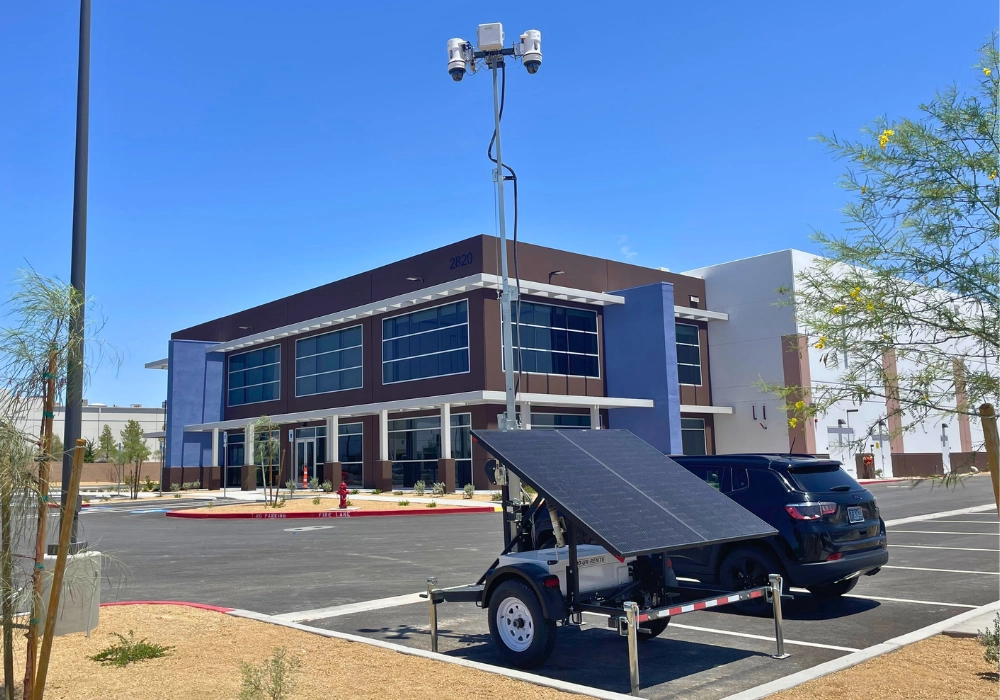
The lease-up phase, the period between a property becoming available and reaching full occupancy, is an important time for real estate brokers, managers, and property owners. It's often when marketing strategies ramp up, interest builds around the property, and prospective tenants' first impressions are made. At the same time, it's also when vacant units are most vulnerable.
Empty buildings, inconsistent site visits, and high-value fixtures can quickly turn an active listing into an easy target for theft, vandalism, and unauthorized entry. For brokers, these incidents can delay lease-up timelines and reflect poorly on how the property is being managed.
Protecting vacant units and fixtures during lease-up calls for a strategy that combines physical security, active monitoring, and consistent property management from the moment units become vacant.
In this article, we'll break down what makes lease-up properties particularly risky, why security matters, and practical steps brokers and property owners can take to protect assets and maintain momentum from day one.
Vacant Property Crime in the US: Facts and Stats
In the United States, vacant and transitional properties face many risks.
Here's what the data shows:
-
Vacant buildings are 3 to 5X times more likely to experience theft, vandalism, illegal dumping, homeless encampments, and trespassing than occupied buildings.
-
Commonly stolen items at vacant properties include copper piping/wiring, brass fixtures, HVAC coils, appliances, and building materials, all of which have high resale value on illicit markets.
-
Crime conditions increase by roughly 20% within 250 feet of foreclosed (Real Estate Owned property (REO)) or vacant buildings, affecting not just the property itself but the surrounding neighborhood as well.
-
Property management teams and commercial brokers may face premises liability if someone (authorized or not) injures themselves on-site.
-
Increased rates of aggressive assault have been noted at vacant properties (particularly in Pennsylvania), including vacant land.
-
An average of 30,200 annual vacant building fires were reported nationwide between 2011 and 2015, resulting in $710 million in property damage, with 57% of fires occurring in unsecured vacant listings.
-
Beyond theft and vandalism, unoccupied buildings can become health hazards, harboring pests, mold, and structural deterioration that compounds the cost of remediation over time.
The Broken Windows Theory: Explained
The broken windows theory, introduced by James Wilson and George Kelling in the 1980s, is based on a simple idea: when a building looks neglected, people assume no one is paying attention. A broken window or poorly maintained grounds signals that "no one cares, and so breaking more windows costs nothing.” That perception can invite further criminal activity, creating a cycle that's difficult to reverse.
For vacant properties during the lease-up phase, this matters more than most realize. A building that appears ignored can quickly attract the wrong kind of attention, turning small issues into bigger problems that are harder and more expensive to fix over time.
Why Protection of Vacant Units and Fixtures Matters During the Lease-Up Phase
Units during the lease-up process are often empty for extended periods. When sites are empty for too long, problems escalate quickly without anyone around to notice, and the consequences extend well beyond repair costs.
Security concerns
Trespassing, illegal dumping, squatting, and encampments quickly deteriorate a property's reputation and appearance. Because potential renters and investors often assess safety first, a vacant rental property that feels unmanaged or unsafe becomes significantly harder to lease.
In higher-crime areas, these perceptions have real financial consequences. Ongoing security issues can push capitalization (cap) rates higher, slow leasing activity, and ultimately reduce the property’s overall value.
Read more: The Psychology of Perceived Safety During Property Tours
Property crime vulnerabilities
According to the Federal Bureau of Investigation (FBI), a property crime is committed in the United States roughly every 3.9 seconds, making it one of the most frequent criminal offenses nationwide.
During the lease-up phase, vacant units are inherently more exposed to property crime as they tend to have fewer "eyes and ears" on-site, making them particularly attractive to opportunistic thieves and organized criminals. These properties are heavily targeted for fixtures and building materials that can be quickly resold through illicit channels.
Read more: The State of Property Crime in the US (And How to Protect Yours)
Maintenance issues
During vacancy periods, unaddressed maintenance issues can go undetected for longer than they would in a building with occupants. Issues like burst or frozen pipes, water damage, weather damage, deterioration of parking areas, and unauthorized utility access can escalate quickly when there's nobody on-site to catch them early. Left unchecked, these issues can stall your entire lease-up strategy.
The cost of delayed detection is real. In one reported insurance case, thieves stripped copper plumbing from a vacant commercial property while the water supply was still active. The water ran for 3 days before anyone noticed, causing an estimated $2.5 million in damages. For brokers and property managers, monitoring utility bills can help pinpoint unauthorized spikes that could reveal a leak.
5 Ways to Protect Vacant Units and Fixtures During Lease-Up
As mentioned, a vacant property during the lease-up phase is a prime target for theft, trespass, and unauthorized access. The good news? Most incidents are preventable with the right measures in place.
Here's what real estate brokers, property management teams, and owners should prioritize:
1. Conduct a property assessment
Start by walking the property to identify vulnerabilities and blind spots. A dark perimeter, an unsecured parking area, or an unlit side gate creates an easy entry point and quick getaway route for criminals.
Focus on areas that are hidden from public view or show signs of prior forced entry. Map every access point and use those assessments to determine where security resources are needed most before a listing goes live.
2. Make the property look "lived in"
An occupied commercial building (even the perception of occupancy) is less attractive to criminals. Simple tactics should include keeping grounds and parking areas maintained, ensuring mail is collected, and promptly removing graffiti. "Trespassers will be prosecuted" signs can also act as a low-cost deterrent.
What's more, regular inspections should be done weekly (at different times of the day) to document the condition of units and look for signs of damage, hazards, vandalism, or forced access.
3. Secure access points
Unsecured entry points are the most common areas for unauthorized access at vacant listings that put units and fixtures at risk. To avoid this, consider:
-
Installing steel doors or screens over windows and entryways
-
Using electronic access control systems like biometric keypads or time-restricted electric gates that log a digital audit trail of every interaction
-
Deploying smart License Plate Recognition (LPR) cameras at entry/exit points that track vehicle movements and flag repeat visits before they escalate
Learn More About Our LPR Solutions
4. Upgrade lighting
Poor lighting is the main cause of after-hours criminal activity. Motion-activated exterior lighting helps deter potential break-ins and unauthorized occupants at night, particularly around perimeters, parking bays, and alleyways.
Parking lot perimeters and boundary lines are particularly vulnerable during the pre-leasing phase, as they're often the first areas criminals use to access a vacant property and the first places they exploit when left unlit. Improved lighting is a minimal expense compared to the cost of a single incident.
5. Install exterior surveillance
Active monitoring is what separates a property that looks secure from one that actually is. Rapid deployment, smart security systems with 4G/5G connectivity, PTZ (Pan-Tilt-Zoom) cameras, AI analytics, and remote monitoring help prevent theft and vandalism, while delivering real-time alerts that can be reviewed remotely.
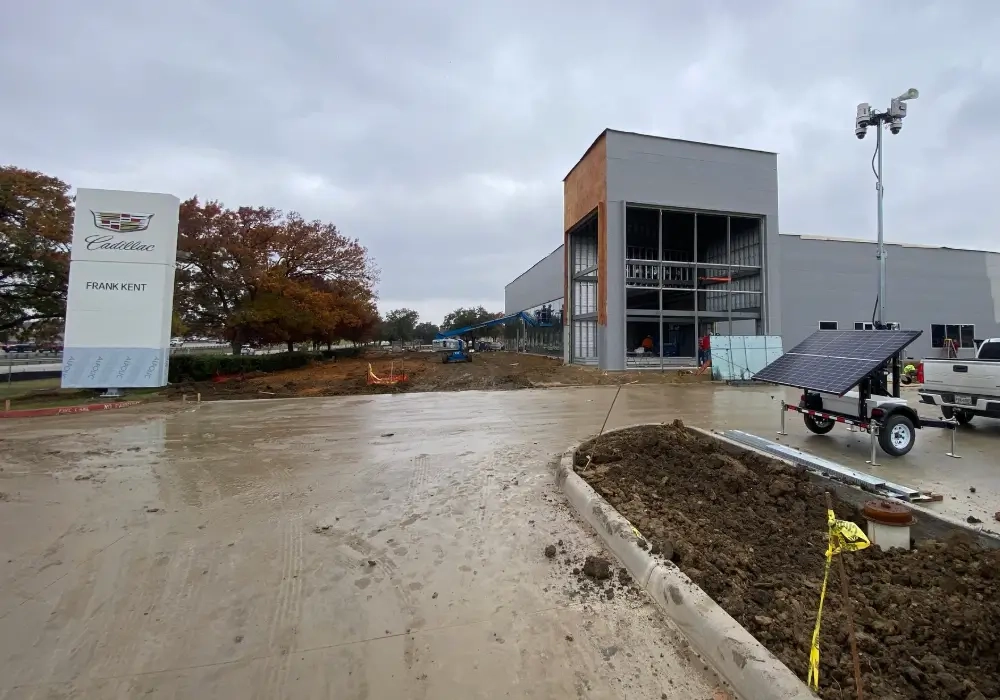
Smart surveillance systems, such as the LotGuard PRO and LotGuard MINI, use built-in AI analytics and PTZ cameras to verify genuine threats from false alarms as incidents happen across large commercial sites and parking spaces. These systems operate autonomously, timestamping and logging every event with corresponding footage for use in law enforcement investigations, insurance claims, and internal reviews.
Because alerts are sent instantly over secure 4G/5G networks, property teams receive real-time notifications directly to their smartphones, allowing them to respond quickly to incidents. Our centralized cloud-based platform provides constant "eyes and ears" from afar, enabling early intervention when trespassing or safety hazards arise, without the need for physical site presence.
Read more:
Other
-
Prevent structural damage: Where appropriate, shut off non-essential water, gas, and/or electrical systems to reduce the risk of flooding and property damage from tampering with fixtures.
-
Property risk management: Standard insurance policies typically exclude theft, vandalism, and water damage once a property sits vacant for more than 30-60 consecutive days. During the lease-up period, that gap leaves brokers exposed at exactly the time risk is highest, so be sure to confirm details with your insurer before a listing hits the market.
Protect Vacant Units and Fixtures During Lease-Up With LotGuard LotGuard
The lease-up phase doesn't have to mean months of exposure. With the right security measures in place from day one, vacant units and fixtures can be protected throughout the transition to full occupancy, without disrupting leasing activity or placing the burden of constant on-site oversight on the broker.
LotGuard's mobile parking lot surveillance solutions are "Always Awake and Always on Guard". Rapid-deployment surveillance, active monitoring, and centralized reporting give brokers and owners the visibility they need across every vacant listing.

Contents
[hide]Related news
7 Proven Ways to Reduce Squatting Risk While Marketing Vacant Properties
Discover 7 proven ways to reduce squatting risk while marketing vacant properties and protect assets during vacancy periods. Read more
Parking Deck vs Surface Lot: Risk Differences Property Managers Should Know
Parking decks and surface lots face different threats. Discover how to manage risk and improve security across both. Read more
Parking Lot Maintenance Checklist for Property Managers
Discover a practical parking lot maintenance checklist for property managers to support safety, compliance, and long-term asset protection. Read more
FAQs
What is considered a vacant building?What is considered a vacant building?
Most insurers consider a building vacant when the premises have been unoccupied for 30-60 consecutive days without active tenants.
How do I protect a vacant property in the USA?a vacant property in the USA?
The most effective way to protect a vacant property in the United States is to start with a risk assessment to identify any vulnerabilities. From there:
- Upgrade lighting along perimeters and entrances to eliminate blind spots
- Install smart surveillance systems with remote monitoring to detect and deter suspicious behavior
- Conduct regular inspections to spot early signs of trespass or theft
Why is it important to secure vacant units during the lease-up phase?
Vacant units are more likely to be targeted for theft, vandalism, and unauthorized access. A single incident (copper theft, a burst pipe, arson) can result in repair costs that far exceed the cost of prevention and disrupt leasing timelines at a critical period for the listing.
How do I market vacant units during the lease-up period?
Maintaining curb appeal and a strong security presence during the lease-up period helps create a strong first impression on potential tenants. When a site feels safe and well-managed, it's far more appealing to prospects and helps fill vacancies faster.
Competitive pricing with limited-time incentives can also attract early-stage interest, while a strong online presence (using professional photography and detailed listing descriptions) across major platforms and social media broadens reach and supports faster lease-up timelines.
Contact Us
Request a Quote for LotGuard
Ready to learn more about how LotGuard can protect your Parking Lots and Properties? Get in touch today for a free quote.