
Best Practices for Securing Short-Term Listings
Discover how property managers can improve short-term listing security with better monitoring, visibility, and proactive protection.
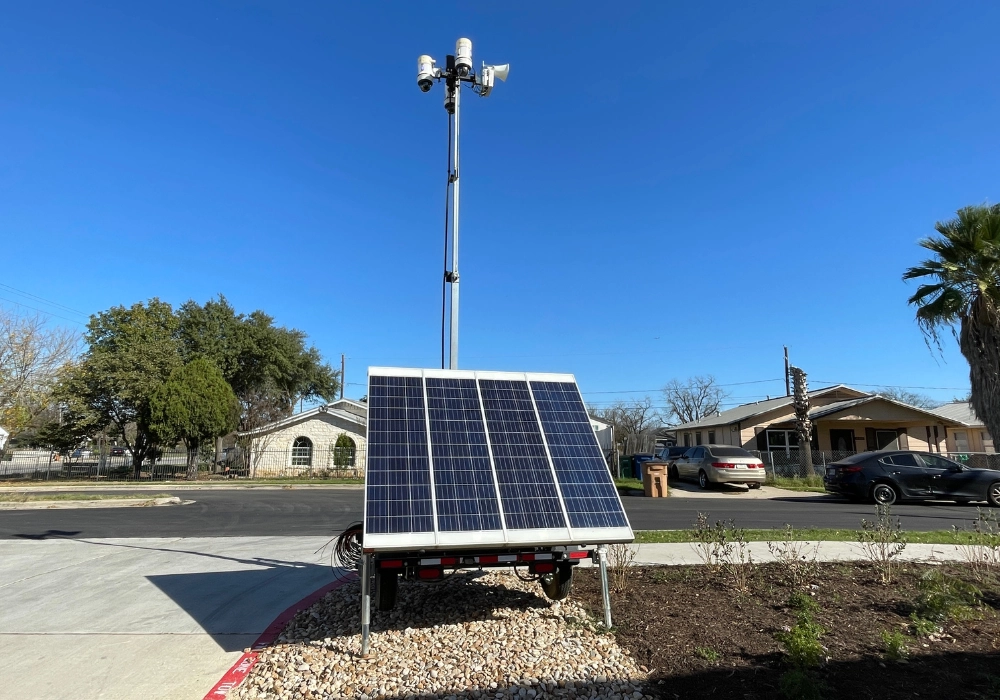
Short-term vacancy is often an overlooked risk in commercial real estate (CRE). The gap between a listing going live and a deal closing might last a few weeks, yet that's enough time for loiterers, thieves, and squatters to gain access and jeopardize the property's value.
The best practices for securing short-term listings are straightforward, but they do require real estate brokers and management teams to act fast. Properties that look unmanaged and unmonitored become easy targets for criminal activity, and the damage done in even a single incident can cost more to fix than installing security measures in the first place.
For brokers managing multiple short-term rental properties on tight timelines, flexible, rapid deployment security isn't optional anymore; it's essential.
In this article, we cover the reasons why short-term listings need active surveillance, what's actually at risk during vacancy windows, and the practical steps brokers can take to protect listings from day one through close.
Why Short-Term Rental Properties Must be Secured
A short-term listing may only sit vacant for a month or so, but vacant commercial properties don't need to be empty for long before problems arise. Vacant buildings are 3-5X more likely to experience theft, vandalism, squatting, and other kinds of property crime than occupied premises.
When a building stands empty for too long, criminals notice, especially if it lacks any established security presence and regular oversight.
Here's what's at risk during short-term vacancies:
Property damage
Graffiti, broken fixtures, illegal dumping, and arson are more prone to occur around vacant commercial properties. Vacant buildings are easy targets for intentional damage because there are very few eyes on-site to deter, witness, and/or report incidents.
For brokers preparing a property for tours, even a single overnight vandalism incident means rescheduled viewings, emergency repairs, and a listing that suddenly looks worse than it did the day before.
Read more: How Graffiti Damages First Impressions in Property Leasing
Theft
Metal theft is one of the fastest-growing crimes affecting industrial facilities, critical infrastructure, and vacant commercial listings in the United States. The US Department of Energy estimates copper theft costs American businesses around $1 billion every year.
Vacant, short-term rentals (including short-term vacation rentals) are particularly at risk, as exposed copper wiring and HVAC units can be accessed with little resistance. Once stripped, copper quickly sells through scrap yards and illicit markets, and tracing it is virtually impossible.
A single metal theft incident can cause thousands of dollars in damage, delaying deals by weeks while repairs are coordinated.
Read more: Top 10 Commercial Property Hotspots for Copper Theft Risk
Unauthorized entry
When a property sits empty without visible monitoring or regular oversight, it invites unauthorized parties. Loiterers often congregate around parking areas and entrances, and squatters tend to move into unoccupied premises fast. Homeless encampments are another concern, especially around perimeters and property boundaries.
Each of these situations is difficult and expensive to resolve, making the next listing viewing significantly harder.
Read more: How Does Squatting Impact Vacant Properties?
Other risks
Beyond physical damage and safety threats, short-term rental owners and brokers often overlook these 3 "invisible" risks until it's too late:
|
Risk |
Description |
| Compliance | Some municipalities require vacant properties to meet specific maintenance and security standards. Failure to comply can trigger fines or rezoning, adding cost and complexity to an already difficult leasing situation. |
| Liability | If a loiterer or unauthorized person is injured at one of your listings, the short-term rental owner/broker can face premises liability claims under negligent security laws. |
| Insurance | Most commercial property insurers limit or restrict coverage for buildings that have been vacant for longer than 30-60 days. Policies often exclude vandalism, theft, and water damage, creating out-of-pocket expenses for those in the short-term rental market. |
6 Best Practices to Secure Short-Term Rentals
The best way to secure short-term rental properties is to take a layered approach.
1. Secure perimeters and access points
Your first line of defense against unauthorized access starts at the property's boundary. Fencing, padlocked gates, and clear "No Trespassing" signage all signal that the property is actively managed.
Brokers and vacation rental management companies with large portfolios should prioritize access points with the least natural visibility, such as:
-
Rear entrances
-
Loading docks
-
Side gates
-
Alleyways
Read more: Frequently Asked Questions About Vacant Property Security
2. Upgrade lighting across exterior areas
Poor lighting is one of the biggest enablers of property crime at vacant listings. Dark fencelines, unlit surface lots, and shadowed entrances are often where vandalism, theft, and vehicle crime occur.
Upgrading lighting across parking lots and access points is the most cost-effective way to deter crime and improve curb appeal for prospective tenants during showings.
Read more: How Properties Can Maximize Parking Lot Security
3. Install safety equipment
Basic safety infrastructure, like fire detectors, helps protect your asset from arson and undetected electrical issues, both of which are more common in vacant properties where nobody is present to notice.
When your short-term rental business is expecting a prolonged vacancy window, turning off non-essential water supplies is also recommended. Doing so helps reduce the risk of burst pipes and water damage going unnoticed before it's too late.
Read more: A Comprehensive Property Management Risk Mitigation Framework
4. Review and update insurance policies
Before a listing goes live, verify what the property's current insurance policy covers (and what it doesn't) during vacancy. The majority of commercial property insurers have exclusions for water damage, theft, and glass breakage during vacant stretches, so it's best to confirm these details as soon as possible.
Deploying active surveillance with 24/7 remote monitoring and documenting the steps taken to secure the short-term vacation rental properties can also strengthen a claim if an incident does occur.
Read more: Understanding Insurance Requirements for Different Property Types
5. Comply with short-term rental laws and local regulations
Short-term rental hosts must comply with various local short-term rental regulations (e.g., occupancy, noise), licensing and tax requirements, and short-term rental laws, which vary from state to state. Some jurisdictions require regular inspections, maintained utilities, or specific security measures for properties that have been empty beyond a certain timeframe.
Beyond those administrative requirements, it pays to understand how squatting laws differ by state. That legal knowledge will give you crucial context if unauthorized persons gain access, and it highlights just how quickly security measures must be deployed during vacancy periods.
Staying ahead of these requirements protects both the short-term rental management company and property owner from compliance issues and legal exposure that can stall or complicate a deal.
Read more: How Squatting Laws Differ by State
6. Invest in smart exterior surveillance
Traditional security options like manned guards and fixed security cameras weren't designed for permanent or long-term deployment. They're slow to install and often too expensive for short vacancy windows. For short-term rental brokers working on fast-moving listing timelines, that outdated approach doesn't keep pace with modern property management.
That's where rapid deployment mobile surveillance solutions make a real difference. They deploy in hours, not days, and relocate when the deal closes. Visible, active monitoring in your property's parking lots changes the risk profile of a vacant property immediately. This gives brokers the evidence trails they need for police reports and insurance claims should an incident occur.
Read more: Why Property Managers Shouldn't Overlook Remote Monitoring
LotGuard: Mobile Surveillance Built for Short-Term Listings
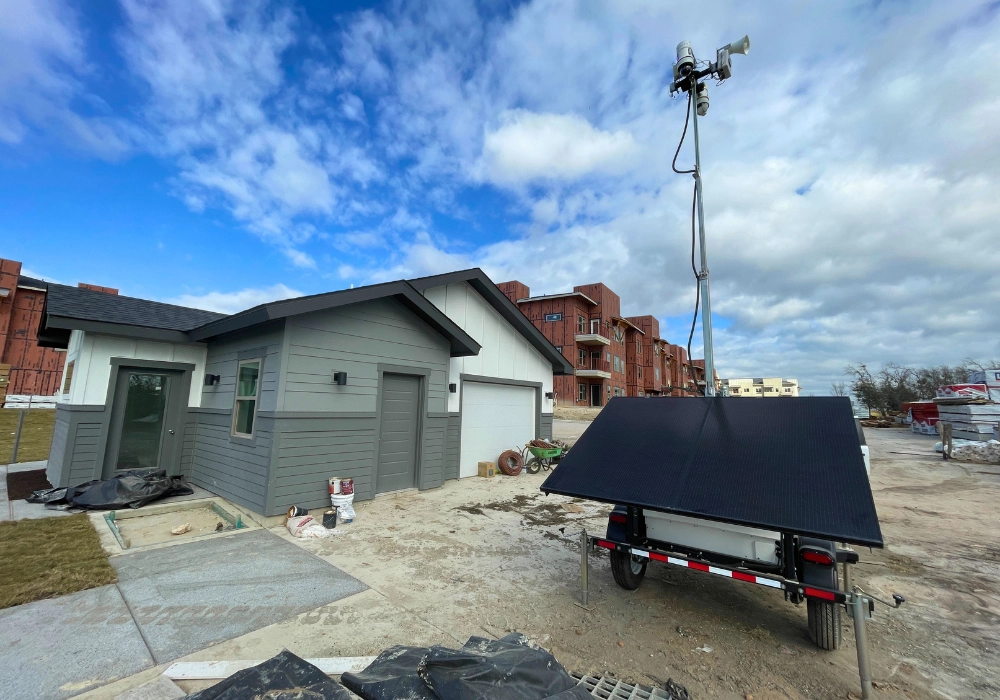
LotGuard's range of mobile parking lot surveillance solutions are designed exactly for the environments brokers manage: fast-moving listings, short vacancy windows, and the need to secure multiple sites without permanent infrastructure. All of our solutions are available on a short-term rental basis, giving you 24/7 surveillance without the long-term commitment.
-
LotGuard PRO: A solar-powered Surveillance Trailer that stands up to 20-feet tall and deploys to any vacant exterior area quickly. Featuring near-360° PTZ (Pan-Tilt-Zoom) cameras, infrared (IR) night vision, AI-video analytics, and remote monitoring, they monitor vacant sites both day and night.
-
LotGuard MINI: A compact, 4-camera surveillance system that mounts to existing structures or poles without fixed wiring. With 23X optic zoom, these systems monitor hard-to-reach areas (rear entrances, alleyways) even in low-light or adverse weather conditions.
-
LotGuard MULTI: Using multiple PTZ night vision cameras, the LotGuard MULTI delivers wide-area coverage across all exterior zones. Perfect for strip malls and units in multi-building listings where perimeter blind spots create vulnerability.
-
License Plate Recognition (LPR): Add-on LPR Cameras log every vehicle entry/exit across your vacant short-term rentals, capturing make, model, and color. With smart analytics and remote monitoring capabilities, they flag repeat offenders and timestamp every incident to create the audit trail needed for investigation and insurance purposes.
Our cloud-based platform connects every LotGuard product into a single dashboard. This enhancement means that all footage from surveillance cameras, AI alerts, and LPR data is consolidated in one place, making multiple short-term listing management easy. With this platform, brokers can review live and historical data, control cameras remotely, and generate reports in just a few clicks.
Read more:
- How Managed Surveillance Camera Services Work
- Stellifii: A Centralized Security Management Platform for Commercial Real Estate
Secure Short-Term Listings from Day One
Every day a short-term listing sits unprotected is a day its value is at risk. Copper theft, vandalism, and unauthorized access don't wait for the deal to close, and the cost of recovering a listing's condition and market position after an incident almost always exceeds the cost of protecting it from the start.
That's why more and more management companies are turning to smart, tech-led surveillance to secure short-term rental listings from day one.
LotGuard's mobile parking lot surveillance solutions are "Always Awake and Always on Guard", delivering 24/7 rapid deployment security that deters threats without slowing down the deal. Speak to one of our security specialists today.

Contents
[hide]Related news
Frequently Asked Questions About Vacant Property Security
Find answers to common questions about vacant property security, from risks and solutions to protecting assets and reducing liability. Read more
How Graffiti Damages First Impressions in Property Leasing
Learn how graffiti affects first impressions in property leasing and why it can reduce tenant interest and conversion rates. Read more

How Squatting Laws Differ by State
Find out all 50 states' squatter laws in the US. See how LotGuard's mobile parking lot surveillance can protect your vacant properties. Read more
FAQs
What are the biggest security risks for short-term commercial listings?
The most common risks for short-term listings are copper and metal theft, vandalism and graffiti, unauthorized access, loitering, squatting, and homeless encampments. Vacant properties are 3–5X more likely to experience these crimes than occupied premises, and the risk doesn't reduce because the vacancy window is short.
What type of security works best for short-term listings?
Mobile surveillance solutions that deploy fast and relocate when a deal closes are the most practical fit for short-term listings. Fixed installations and manned guarding are too slow to deploy and too expensive for short vacancy windows.
Which security companies provide surveillance for short-term listings in the USA?
Many security providers in the United States offer surveillance for short-term rentals, one of which is LotGuard.
Contact Us
Request a Quote for LotGuard
Ready to learn more about how LotGuard can protect your Parking Lots and Properties? Get in touch today for a free quote.