
Understanding Portfolio-Level Risk Management in Commercial Real Estate
Learn how portfolio-level risk management helps commercial real estate owners improve visibility, reduce risk, and protect assets across multiple properties.
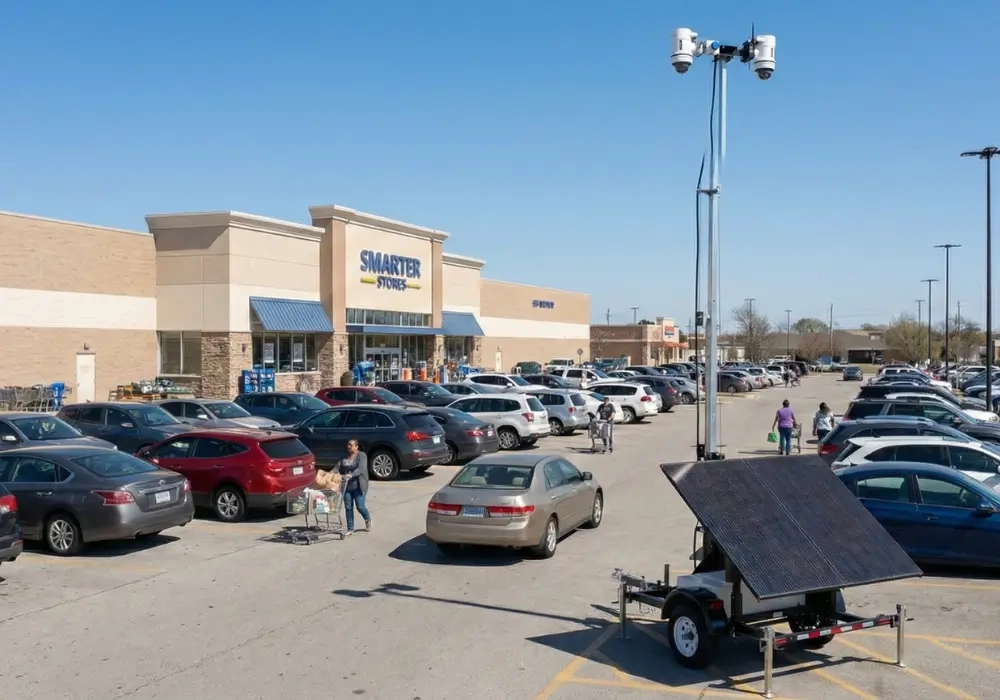
When you're managing multiple transitional assets, whether newly acquired, vacant, under construction, or moving through lease-up, it's easy for issues to go unnoticed until they've already affected the project.
Theft, vandalism, trespassing, and other security incidents can delay timelines, increase unplanned costs, complicate insurance claims, and affect key commercial real estate (CRE) performance metrics like net operating income (NOI) and internal rate of return (IRR).
Risk management in commercial real estate is the process of identifying, assessing, and controlling risks that could affect the value, performance, or operations of commercial properties. While this might be manageable for single sites, it becomes far more challenging across multiple properties in different markets and phases.
That's why more investment managers are moving from asset-by-asset risk management toward portfolio-wide oversight. With centralized visibility and real-time insights, they can identify patterns sooner and make better decisions across their portfolios.
This article explains why transitional properties require more oversight, why traditional approaches stop working at scale, and what portfolio-level risk management looks like in practice to prevent loss and protect long-term returns.
Why Transitional Commercial Real Estate Needs Greater Risk Oversight
Stabilized properties generally carry less risk than transitional sites because there are more people around to notice when something looks off. Transitional properties don't benefit from that same level of oversight, making them more vulnerable to incidents that can go undetected.
According to the U.S. Fire Administration, there were around 110,000 fires in nonresidential buildings in 2023. Vacant sites are also crime hotspots, with roughly 25% of large-scale industrial copper thefts occurring at these properties, contributing to approximately $1 billion in copper theft losses nationwide each year.
Without a proper risk management strategy, vacant properties are 3 to 5X more likely to experience crime, such as arson, vandalism, illegal dumping, squatting, and copper theft, than occupied premises. The assets most exposed during transition include:
-
Newly acquired assets, before any security is in place
-
Vacant buildings awaiting repositioning or lease-up
-
Active construction and redevelopment sites
-
Value-add investments undergoing renovations
-
Lease-up periods with partial occupancy
These windows tend to bring the same problems at once: higher property crime, trespassing, equipment and cargo theft, reduced occupancy, and little to no on-site supervision. On one property, you can stay on top of that. Managing those risks across dozens of properties in different markets, each moving through a different phase on its own timeline, is where portfolio-level risk management becomes essential.
Read more:
- The Main Threats to Vacant Properties
- Why Vacant Commercial Properties Face Elevated Fire Risk During Transition
- The State of Property Crime in the US (And How to Protect Yours)
- Commonly Asked Security Questions From Property Managers
Why Asset-by-Asset Risk Management No Longer Works
Managing each property in isolation may have worked when portfolios were smaller and less complex. But when you're overseeing multiple, fast-moving listings in the commercial market moving through different stages of the investment lifecycle, it doesn't hold up.
The problem is poor portfolio-wide visibility. When site data is viewed at the property level, emerging trends are easy to miss, and incidents are often only escalated after they've already affected operations or investment performance.
Here's where isolated monitoring falls short:
Inconsistent reporting
When every site logs incidents differently (or doesn't log them at all), it's difficult to spot trends or hold anyone accountable. For example, repeated trespassing or loitering across several properties may look like isolated incidents when viewed individually, but together they reveal a portfolio-wide pattern that requires a coordinated response.
Siloed, fragmented data means a pattern playing out across 3 properties reads as 3 unrelated events, resulting in reactive responses rather than proactive property management.
Limited visibility between site visits
A lot can happen between site visits, especially at vacant or transitional properties. Theft, vandalism, unauthorized entry, or safety issues can go unnoticed for days/weeks until someone physically shows up. When left unaddressed, these events can invite further criminal activity and delay cash flow generation.
Without centralized visibility across every property, investment managers are forced to react to individual incidents after the fact, resulting in other properties in the portfolio receiving less oversight.
Slow response times
Delayed incident updates and the lack of a centralized platform for monitoring multiple properties can slow decision-making and increase both financial and legal risk. The longer an incident goes unreported, the more likely it is to drive up repair costs, delay project timelines, complicate insurance claims, and impact investor returns.
A break-in addressed within minutes is far less likely to take place, minimizing costly disruptions than one discovered days later.
Read more:
Types of Risks for Commercial Real Estate in the USA
Before you can implement a risk management plan, it's important to understand the different types of risk that can affect portfolio performance. While some risks are financial or regulatory, others are operational or security related.
|
Type of risk |
Description |
|
Market risks |
Shifts in demand, rentals, and property values driven by wider economic cycles. |
|
Financial risks |
Interest rates, financing terms, rising borrowing costs, and debt levels that affect asset value and returns. |
|
Tenant and credit risks |
Rent defaults, tenants leaving or failing to pay, which disrupt income streams. |
|
Operational risks |
Project delays and extended vacancy that limit the property's income, reduce NOI, and slow lease-up. |
|
Physical risks |
Property damage caused by crime, weather, or neglect. |
|
Security risks |
Theft, property crime, trespassing, and unauthorized occupancy. |
|
Liability and safety risks |
On-site injuries and premises liability claims plus insurance disputes due to a lack of evidence. |
|
Environmental risks |
Contamination, natural disasters (flooding, fires, pollution), and weather damage that can devalue an asset. |
|
Regulatory risks |
Building codes, zoning, tax shifts, fair housing laws, tenant-protection laws, and compliance requirements across U.S. jurisdictions. |
|
Cybersecurity risks |
Cyber attacks on property software and sensitive project information. |
On one property, you can generally manage any of these risks. Across a portfolio, they overlap and compound. A security incident becomes an insurance claim, which delays a project, increases costs, and ultimately affects NOI. Without portfolio-wide visibility, these issues can easily be treated as isolated events instead of recurring patterns that require a strategic response.
Read more:
- Environmental Risk Factors that Increase Property Crime Exposure
- Top Security Challenges for Property Managers and How to Overcome Them
- 7 Key Risk Factors to Monitor in Transitional Commercial Properties
What Portfolio-Level Risk Management Looks Like for Commercial Real Estate
Rather than managing each property in isolation, effective portfolio-level risk management means looking at your entire commercial real estate portfolio as a single operation.
Security is often the foundation of that strategy, helping protect assets and generate the data needed to support wider operational and investment decisions. With that in place, portfolio-wide security management comes down to 8 key steps:
- Conduct site inspections: You cannot manage risk exposure that you haven't identified. Start with a thorough risk assessment of every property in your portfolio (including parking areas) to uncover vulnerabilities and blind spots. From there, prioritize resources and surveillance based on each property's risk level.
- Establish standardized risk reporting: Decide what gets logged and who gets notified, then apply the same rules across every site. Applying the same reporting standards across every site makes it easier to compare performance, spot trends, and prioritize risks.
- Deploy intelligent surveillance: A smart security presence can prevent costly incidents before they happen. Mobile surveillance trailers, such as the LotGuard PRO, combine PTZ (Pan-Tilt-Zoom) cameras, 4G/5G connectivity, AI detection, and remote monitoring to help deter unlawful activity in real-time while creating an audit trail for investigations and insurance claims.
- Support security with smart integrations: Add-on License Plate Recognition (LPR) technology strengthens portfolio-wide risk management by monitoring all vehicle movements in and around commercial real estate. It captures car details (make, model, color) and helps identify recurrences and repeat offenders across multiple locations, eliminating the need for physical site visits.
- Automate incident detection: Investment managers can't watch every commercial property 24/7. Smart surveillance systems with AI-video analytics help by flagging unusual activity as it unfolds, while alerts verified by an Interactive Surveillance Operations Center (ISOC) enable faster, more informed responses.
- Centralize portfolio visibility: Replace multiple monitoring vendors and siloed systems with one secure AES256-encrypted dashboard. Cloud-based monitoring platforms consolidate camera feeds, AI alerts, and vehicle-related data from entire portfolios in one place, accessible from any device.
- Analyze portfolio-wide trends: When data is centralized, it's easier for property managers to identify patterns that might otherwise go unnoticed. For example, LPR technology can detect the same vehicle appearing at multiple properties, while AI-powered cameras can reveal recurring perimeter breaches or repeated after-hours activity across multiple properties.
- Continuously optimize risk controls: Regularly review incident data across your portfolio to identify emerging trends, measure the effectiveness of existing controls, and direct resources where they're needed most.
Read more:
- A Comprehensive Property Management Risk Mitigation Framework
- Why Property Managers Shouldn't Overlook Remote Monitoring
- Frequently Asked Questions About Vacant Property Security
- Benefits of Remote Video Monitoring for Surveillance Cameras
5 Benefits of Portfolio-Wide Risk Management in Commercial Real Estate
Portfolio-wide risk management benefits investment managers in the following ways:
- Reduce avoidable operating costs: Stopping a break-in as it happens costs far less than cleaning up after one. Preventing theft and vandalism cuts the emergency repairs, replacement materials, and premium increases that quietly erode a project budget.
- Protect NOI and IRR during transitions: Every delay from an unsecured site or theft pushes back lease-up and delays income generation while operating costs climb. Keeping assets on schedule protects the returns your asset depends on.
- Improve investor and lender reporting: Exportable incident records and activity summaries (through cloud-based platforms) prove due diligence with concrete documentation, strengthening investor confidence.
- Strengthen accountability across multiple sites: When every property report follows a standardized format, risks are easier to identify and address, and it shows precisely what happened and when, should disputes arise.
- Support faster decision-making: Centralized risk management in commercial real estate allows you to see the "big picture" across an entire portfolio. This allows you to proactively redirect resources to properties that need more attention, instead of responding reactively.
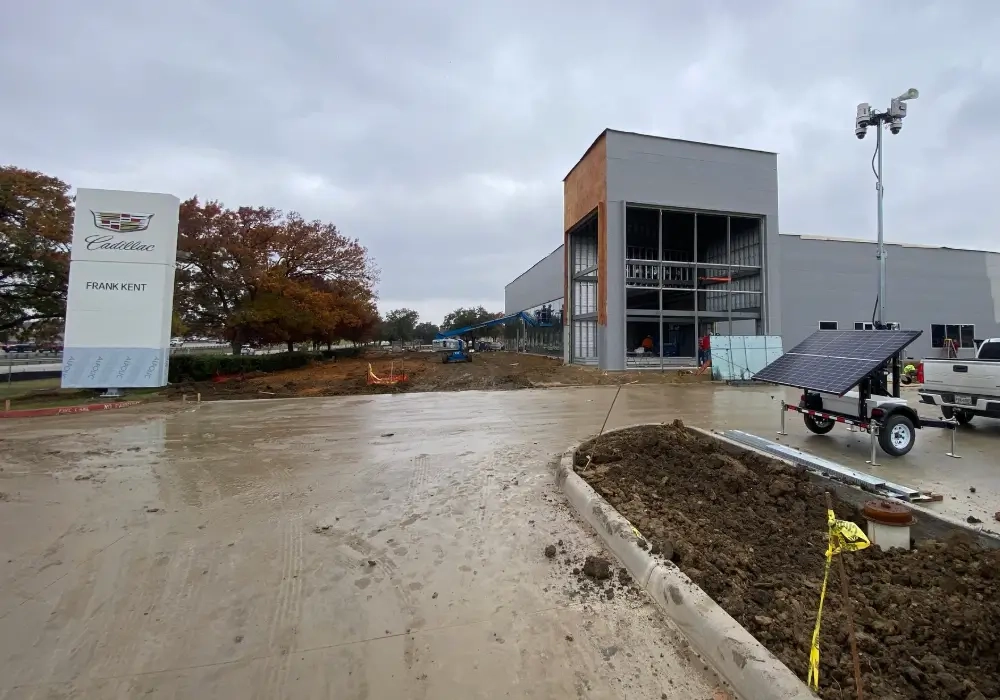
Manage Commercial Property Risks with Portfolio-Wide Visibility
Managing risk on an asset-by-asset basis becomes genuinely difficult as commercial real estate portfolios grow. Portfolio-wide visibility gives investment managers the real-time insights they need to spot patterns sooner and protect assets through every stage of the investment lifecycle with virtually zero administrative burden.
With a nationwide deployment network, LotGuard's intelligent parking lot surveillance solutions provide rapid protection from day one. Combining AI detection, remote monitoring, and cloud-based portfolio management, our systems help reduce losses and protect long-term returns.
If you're ready to take a smarter approach to managing commercial real estate risk, contact our security specialists today.

Contents
[hide]Related news

7 Key Risk Factors to Monitor in Transitional Commercial Properties
Learn the biggest risks affecting transitional commercial properties, from theft and vandalism to fire and unauthorized access, and how to mitigate them. Read more
Understanding Portfolio-Level Risk Management in Commercial Real Estate
Learn how portfolio-level risk management helps commercial real estate owners improve visibility, reduce risk, and protect assets across multiple properties. Read more
The Hidden Cost of Vacancy in Commercial Real Estate (Beyond Lost Rent)
Explore the hidden costs of vacancy in commercial real estate, from security risks to asset deterioration and operational impact. Read more
Contact Us
Request a Quote for LotGuard
Ready to learn more about how LotGuard can protect your Parking Lots and Properties? Get in touch today for a free quote.