
How Video Documentation Supports Insurance Claims in Commercial Properties
Learn how video documentation can support commercial property insurance claims by providing clear evidence of incidents, damage, and site conditions.
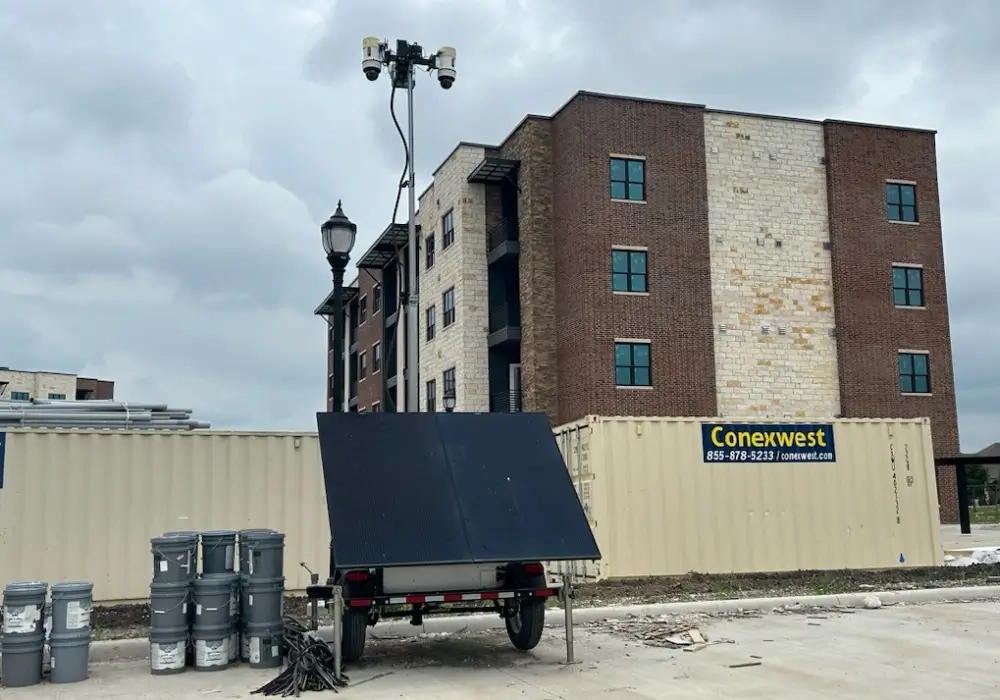
A break-in over the weekend, a fire in a vacant unit, or copper stripped from a half-finished build during transition can leave commercial investment managers with more than a repair bill to deal with. Once the damage has been assessed, there's another challenge they face: establishing what happened, when it happened, and what was affected for insurance claims.
While business insurance provides a safety net when commercial properties encounter unexpected losses, having the right coverage is only one part of the equation. The claims process also depends on reliable evidence. It can be incredibly difficult to reconstruct events, confirm the extent of property damage or loss, or resolve disputes over what happened when records are limited.
Proper documentation can help fill those gaps. Timestamped footage and a clear audit trail give your insurance company an objective overview of everything leading up to an incident and how the event played out in real-time. It's why many investment managers are turning to smarter video documentation for insurance claims in commercial properties, and this article explains all you need to know.
Why Commercial Property Insurance Claims Can Be Difficult to Prove (And What Complicates the Claims Process)
When a vandalism, cargo theft, fire/arson, or unauthorized access incident happens, commercial real estate (CRE) investment managers typically need to provide insurance providers with reliable proof of what happened to support a claim. In theory, this seems straightforward; in reality, it's more complex.
When security systems are spread across multiple platforms or vendors, evidence becomes harder to locate and piece together. Scattered emails, inconsistent reporting, and fragmented surveillance systems can make it difficult to establish a timeline or identify what took place.
Other common challenges include:
- Incidents may only be discovered hours or days after the event
- Physical evidence can be disturbed or removed before anyone documents it
- Multiple parties, such as contractors or tenants, may have conflicting versions of what happened
- Property managers may need to establish timelines across multiple sites simultaneously
- Investment managers need documentation that can withstand scrutiny from insurers, lenders, and investment committees.
Evidence gaps that complicate the claims process
When a commercial property insurance claim is challenged, it usually comes down to whether there's enough evidence to answer some basic questions about what happened. Without clear documentation, managers may struggle to establish:
- When did the incident occur? Accurate timestamps can help establish when an incident took place, how long it lasted, and when the damage was discovered. This can help investment managers build a clearer timeline when documenting a claim.
- How did the person or vehicle enter? Surveillance footage and License Plate Recognition (LPR) data can help pinpoint where and when unauthorized persons/vehicles accessed the property. Was it through an unsecured perimeter or unmonitored access point?
- What happened before the damage occurred? Video footage can give context around the events leading up to an incident rather than documenting the immediate aftermath. Had there been a suspicious vehicle repeatedly visiting the site?
- What assets were affected? Footage can help identify which equipment, materials, vehicles, tools, or other assets were damaged or stolen. It can also provide a visual record of the property's condition before and after the incident, helping investment managers establish the scale of loss.
- What security measures were in place? Documented surveillance, 24/7 remote monitoring, and AI detection can help prove reasonable steps were taken to prevent crime. It also gives context for how the site was monitored and what actions were taken.
Consequences of poor evidence documentation
|
Consequence |
What it means for investment managers |
|
Out-of-pocket expenses |
A denied or underpaid claim means the cost of repairs and replacements needs to come out of the property's budget. |
|
Delays and disputes |
Disagreements over cause are common in commercial claims, with consistent back-and-forth pushing settlements further back. |
|
Lost investor trust |
Repeated incidents (and denied claims) can erode trust with investment committees and put professional reputations on the line. |
|
Operational disruptions |
While the claims process drags on, repairs wait, further damage can occur, lease-up dates slip, and the asset takes longer to stabilize. |
Read more:
- Understanding Insurance Requirements for Different Property Types
- Commonly Asked Security Questions From Property Managers
- How Theft Disrupts Construction Timelines in Value-Add Properties
How Video Evidence Supports Insurance Claims for Commercial Real Estate Investment Managers
Thorough documentation, backed with precise timestamps and clear audit trails, helps strengthen the claims process by establishing what happened, how it happened, and what was affected. It also gives CRE investment managers greater confidence when reporting to insurance adjusters, lenders, investors, and investment committees, with clear objective evidence they need to assess the incident.
Here's what video documentation actually does for a claim:
Establishes a clear timeline of events
Timestamped footage shows the order in which events took place on-site. For instance, it shows when a vehicle arrived, when someone entered the site, and when the damage was done.
Paired with License Plate Recognition (LPR) data showing which vehicles entered and left, this builds a documented account of the event that an insurance company can rely on, rather than basing claims on memory or eyewitness accounts.
Documents damage and loss
Continuous monitoring captures a site's condition before and after an incident, making the scale and nature of loss or damage much more visible. For example, if footage shows a storage zone fully stocked on Friday and cleared out by Monday, it can help support a claim that a break-in occurred over the weekend and inventory was stolen.
Provides detailed records and reports
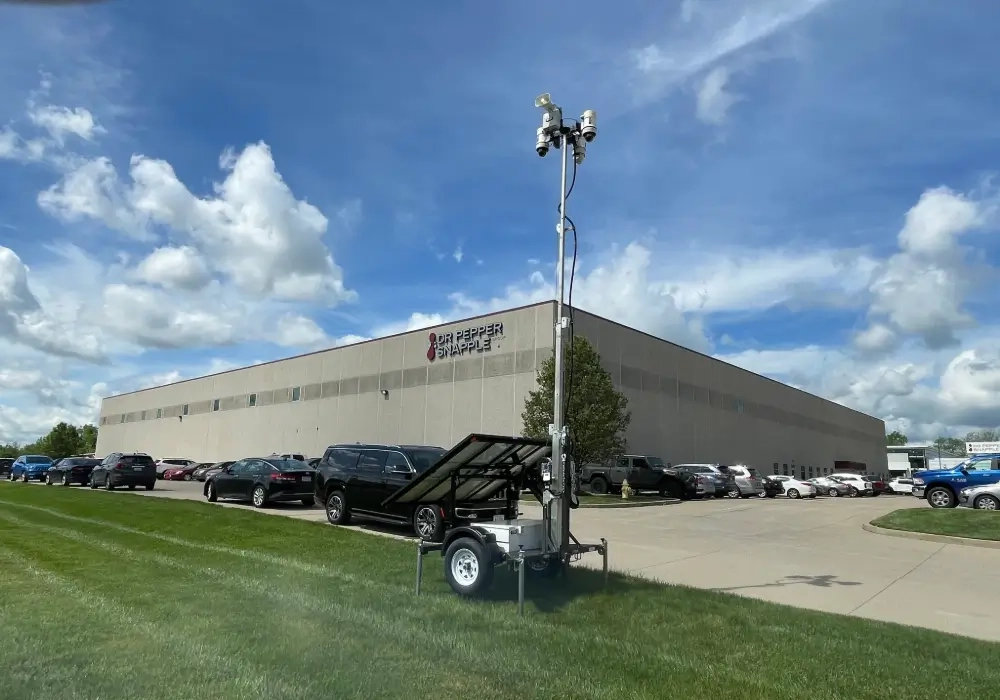
Smart surveillance systems with near-360° PTZ (Pan-Tilt-Zoom) cameras, live video monitoring, and AI detection (like the LotGuard PRO), monitor commercial properties both day and night.
Timestamped alerts, footage, and incident records are stored in our cloud-based platform, creating a documented history of on-site activity in real-time. Investment managers can then retrieve relevant footage and records (from any connected device) when investigating an incident or supporting an insurance claim.
Helps reduce disputes over what happened
When accounts of an incident differ, objective video evidence can help clarify what actually happened. Timestamped footage provides a visual record that can be compared with incident reports, witness accounts, access records, and other documentation. This can give insurers and other stakeholders more clarity when assessing the circumstances and extent of a loss.
Why Proactive Surveillance Matters Before an Insurance Claim
Much of the evidence used to support a property damage claim is captured before and during an incident, not pieced together afterwards. This is why surveillance works best as a preventative measure first and a source of evidence second.
When security is already in place, it supports every stage of an incident: prevention, detection, documentation, response, and proof. Here's how that plays out in practice:
- Deters crime: Visible, actively monitored surveillance systems help deter theft, vandalism, trespassing, and other property crime before it escalates into costly damages and business disruptions. Taking a proactive approach can help reduce the need for a claim in the first place.
- Establishes baseline conditions: Continuous 24/7 remote monitoring records normal, "uneventful" site activity alongside genuine threats. Any change or incident can therefore be measured against a clear starting point, helping to support a claim when needed.
- Detects issues in real-time: Live monitoring can identify incidents as they unfold rather than after the fact. When connected to a professional monitoring center, trained operators can also take action while suspicious behavior is happening, potentially stopping criminals in their tracks before it becomes a claim.
- Creates an audit trail: Timestamped footage and precise incident logs are captured automatically and stored in the cloud. This creates a searchable record of site activity that can be retrieved when an incident needs verification or documented for insurance purposes.
- Supports multi-site visibility: Cloud platforms make footage accessible remotely, so investment managers can review (past and present) activity across an entire portfolio from one place. Property managers can generate reliable reports for insurance claims in just a few clicks.
LotGuard's mobile parking lot surveillance solutions, with professional monitoring services, help commercial property managers and investors implement this proactive approach across their sites. With automatic timestamps, cloud-based storage, and remote access to incident records, relevant evidence can be located quickly when an event occurs, without relying on fragmented systems.
What To Do After a Commercial Property Incident
While video documentation can't prevent every incident or loss, it can help support claims should something happen. If an incident does occur, a few practical steps can help protect both the site and any future insurance claim.
- Secure the site and prioritize safety: Restrict access to the affected area and address any immediate safety risks before beginning any investigation.
- Preserve relevant video footage: Where possible, save footage from before, during, and after the incident to prevent evidence from being overwritten or lost.
- Record the date, time, and nature of the incident: Use smart surveillance systems that automatically timestamp and log incidents as they occur, creating a record of when the incident was discovered, what happened, and any damage or theft that took place. This reduces manual reporting and helps ensure key details aren't missed for claims.
- Document visible damage and losses: Take photographs and use timestamped logs or footage (from smart surveillance systems) to document any missing or damaged property.
- Collect supporting records: Gather access logs, monitoring reports, security guard patrol logs, incident records, and police reports where relevant.
- Notify the appropriate parties: Inform your insurer, security provider, property management team, and other stakeholders as soon as possible, based on your policy and established procedures.
- Provide organized evidence to the insurer: Compile relevant footage, photos, video footage, vehicle access logs, and any other supporting documentation so your insurance company can review circumstances and the extent of the loss more efficiently.
Requirements vary by commercial policy, provider, and state, so treat these steps as general guidelines rather than a substitute for your policy terms or professional advice. Always check your own coverage, and speak to your broker or insurer about what your specific claim requires.
Strengthen Commercial Property Claims with Smarter Video Documentation
Video documentation can't prevent every incident or loss, but it can give commercial real estate investment managers a clearer record of when and how an incident occurred. By establishing a clear timeline of events, capturing a site's condition pre- and post-event, and creating timestamped records, investment managers are better equipped to provide insurers with reliable evidence to assess a claim.
LotGuard's parking lot surveillance solutions are "Always Awake and Always on Guard", helping commercial properties stay protected 24/7. With proactive monitoring, cloud-based video storage, and easily accessible incident records, investment managers can stay ahead of potential threats while maintaining the documentation they need when something goes wrong.

Contents
[hide]Related news

7 Key Risk Factors to Monitor in Transitional Commercial Properties
Learn the biggest risks affecting transitional commercial properties, from theft and vandalism to fire and unauthorized access, and how to mitigate them. Read more
The Hidden Cost of Vacancy in Commercial Real Estate (Beyond Lost Rent)
Explore the hidden costs of vacancy in commercial real estate, from security risks to asset deterioration and operational impact. Read more
Why Parking Lot Safety Is Critical to Tenant Retention in Commercial Properties
Parking lots are a key touchpoint for tenants. Here’s how improving safety can reduce churn and boost retention. Read more
FAQs
What is video documentation for insurance claims?
Video documentation is recorded footage that helps show what happened before, during, and after an incident, giving insurers a clearer record of events and losses.
Can surveillance camera footage be used for insurance claims in the USA?
Surveillance camera footage can provide useful evidence for commercial property insurance claims by helping record when an incident took place, how it unfolded, and what was taken or damaged.
What information are insurers looking for when submitting claims?
Insurers generally require details showing what happened, when and where it occurred, what was damaged or lost, and the total value of losses. Supporting evidence can include photos and videos, inventory lists, lost business income (if applicable), repair estimates, police reports, and other records required by commercial policies.
Contact Us
Request a Quote for LotGuard
Ready to learn more about how LotGuard can protect your Parking Lots and Properties? Get in touch today for a free quote.