
Using LotGuard to Keep Vacant Listings Tour-Ready
Discover how LotGuard protects vacant properties from theft, vandalism, and trespassing while maintaining a positive impression for prospective buyers and tenants.
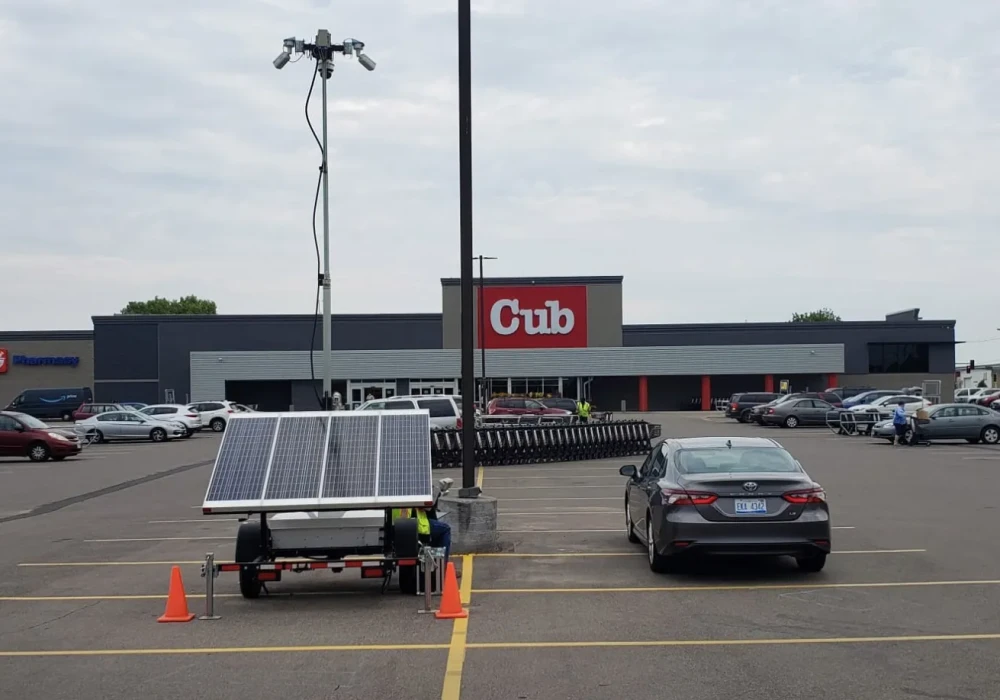
A vacant listing can be freshly staged, have great photos, and be priced perfectly, but if the exterior looks neglected or feels unsafe, buyers and prospective renters notice it immediately.
Graffiti on the front door, someone loitering in the parking area, or trash piled up along the perimeter all quietly erode trust before a single question is asked about square footage or leasing terms.
For commercial real estate (CRE) brokers, this matters. Vacant or transitional properties across the US are magnets for loitering, graffiti, copper theft, and squatting. Left unchecked, those issues slow leasing momentum, frustrate owners, and make an otherwise strong listing harder to move.
What brokers actually need is rapid, short‑term protection that keeps curb appeal intact without adding more complexity to an already full workload.
This article breaks down what "tour-ready" actually means, how security issues silently damage conversion rates, and how solutions like LotGuard can help protect first impressions while listings are on the market.
What "Tour-Ready" Means for Vacant Properties
Being listed doesn't automatically mean a property is ready for tours. A vacant space can be publicly advertised and still fall short the moment someone pulls up for an in-person showing. "Listing" puts a property on the commercial/residential housing market; "tour-ready" is about what prospects experience when they arrive.
The reality? Prospective tenants and potential buyers take note of several factors at a commercial listing before they even step out of the car. If there are signs of vandalism or structural damage, it immediately raises questions about safety, management quality, and whether it's the right location for their business. At that point, the property isn't "tour-ready" at all.
A tour-ready vacant property should:
-
Look actively maintained, not abandoned or forgotten
-
Feel safe for brokers, buyers, investors, and prospective renters
-
Show no signs of vandalism, loitering, or unauthorized access
-
Reinforce confidence in asset quality and management
Even small issues, such as piles of trash or broken glass, are enough to plant doubt and tarnish first impressions before a tour has even begun.
Read more:
Why Vacant Listings are High-Risk While on The Market
Property crime varies by location and property type, and certain conditions, like prolonged vacancy periods, make some sites more vulnerable than others. With that in mind, it's no surprise that vacant listings are 3 to 5X more likely to experience vandalism, squatting, and illegal dumping than occupied buildings.
Once a property, whether that's a retail store or commercial block, sits empty, it becomes an easy target for:
|
Risk factor |
Description |
|
Graffiti and vandalism |
Lowers curb appeal immediately and signals that a property is unmonitored. Left unaddressed, this often creates a vicious cycle that invites further damage and criminal activity. |
|
Loitering and trespass |
Create both a safety concern during tours and liability exposure for property managers, real estate agents, and owners if anyone is injured on-site. |
|
Squatting and encampments |
Difficult and expensive to resolve once established, essentially pulling a listing off the market entirely while legal processes play out. |
|
Degrades the property's value before it's even sold or leased, and repair delays (plus unexpected financial strain) can stall tours indefinitely. |
Not only do visible signs of neglect send a clear message to potential tenants and buyers, but they also signal to anyone scouting the property (e.g., opportunistic thieves and/or organized crime groups) that the site is low-risk.
A property that looks unmonitored or unkept quickly attracts the wrong kind of attention, affecting both the listing's leasing potential and the broker's reputation. What's more, properties in high-crime areas can even be directly affected by higher capitalization (cap) rates and lower asset value.
Read more:
How do these issues affect conversion rates?
Over time, safety and security concerns slowly chip away at leasing momentum. Industry experience suggests that roughly 1 in 3 property tours should result in some form of conversion, whether that's a follow-up, an offer, or a signed deal. When security issues affect that first impression, brokers feel the impact where it matters most: conversions and commissions.
First impressions during tours set the tone for everything that follows. A buyer or prospective tenant who notices graffiti and unmaintained lawns, or feels uneasy walking the perimeter, has already formed an opinion before the tour begins.
Showings are often cut short as a result, especially if a loiterer is hanging around an entrance or the premises feel risky. When prospects don't feel safe, they're less likely to explore the site properly or initiate a follow-up. Obvious signs of neglect also raise doubts about site management in general, prompting concerns about how future (and current) tenants' issues might be handled.
For commercial real estate brokers, this hits close to home. A tour interrupted by loitering or an owner calling about fresh graffiti puts a broker's reputation at risk. When there's no footage, no record of what happened, or nothing to show what was done, that frustration compounds. Deals stall, commissions slip, owner-broker relationships strain, and the stress of managing it all adds up.
Read more:
4 Ways Real Estate Brokers Can Keep Vacant Listings Tour-Ready
Keeping vacant listings tour-ready is an ongoing process, not a one-off task.
Here's where brokers should focus:
1. Routine oversight
Regular site visits and inspections catch problems before they affect a tour. This includes checking for mold growth during warm summer months (particularly in closed-up, high-humidity properties), confirming nothing has changed since the last visit, checking for any structural damage caused by weather or criminals, and collecting accumulated mail.
2. Environmental upkeep
Lighting, landscaping, and basic maintenance and repairs all play a role in a property's first impression. Keeping exterior lighting in good working order, trimming hedges, removing graffiti, maintaining parking areas, and fixing any visible damage prevent small issues from developing into the kind of neglect that buyers/renters notice instantly.
3. Presentation readiness
Deep cleaning, such as scrubbing floors/surfaces and addressing any lingering smells from closed-up spaces, ensures a listing looks and feels clean and cared for.
Regular upkeep is important too; the EPA recommends maintaining indoor humidity between 30 and 60% to help prevent mold growth in vacant properties. Simple internal staging techniques, such as greenery or mirrors, can also improve the overall first impression without overdoing it.
4. Security deployment
Remote monitoring helps fill the gap between scheduled site visits, as this is generally when most unauthorized activity occurs. Rapid deployment mobile surveillance is a practical option for vacant listings as it requires no fixed infrastructure, yet provides reliable, 24/7 coverage during the hours brokers can't be on-site.
Read more:
How LotGuard Helps Keep Vacant Listings Tour-ReadyLotGuard Helps Keep Vacant Listings Tour-Ready
LotGuard supports the exterior security side of tour-readiness by protecting first impressions, reducing disruptions during showings, and maintaining visible control at vacant listings, without adding complexity to a broker’s workload.
Here's how:
-
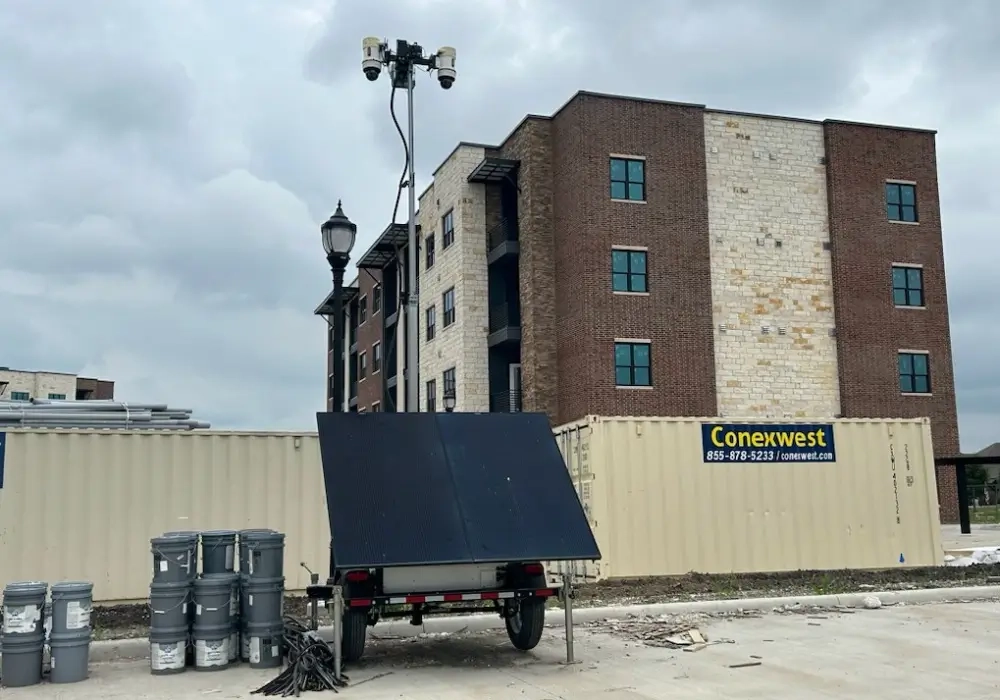
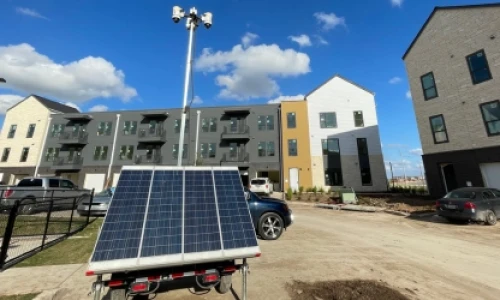
Visible deterrence that protects curb appeal: Our units signal active management before a prospect even reaches the door. The LotGuard PRO, for example, stands up to 20-feet and features near-360° PTZ cameras, AI detection, and remote video monitoring, providing a visible presence that helps mitigate crime that may impact showings and first impressions.
-
Mobile security measures that deploy quickly: Listings move fast, and security measures need to keep pace. Our parking lot surveillance systems can be ready and on-site whenever a listing goes live (20-minutes for basic setups). They require no fixed power or WiFi and can be relocated as risks or listing needs evolve, keeping sites tour-ready from day one.
-
Active real-time monitoring that reduces criminal activity: Apart from visible deterrence, our AI-video analytics flag suspicious behavior as it unfolds, verified by trained operators at Interactive Surveillance Operations Centers (ISOC) that initiate near-instant responses. Live video monitoring helps reduce the chance that a tour gets interrupted or damage is caused between visits.
-
Secure access points that prevent unauthorized vehicle access: Monitoring entry/exit points at commercial listings, add-on License Plate Recognition (LPR) cameras can be integrated with our products (LotGuard PRO, LotGuard MINI, LotGuard MULTI). Systems capture plate numbers alongside make, model, and color, helping track suspicious vehicles and discourage repeat activity that can disrupt showings or deter prospects.
-
Short-term rentals that align with listing cycles: Our flexible hired model means security scales up or down with listings rather than locking brokers/property management teams into long-term commitments that don't match how quickly rental property actually moves.
-
Central oversight across multiple sites: For brokers managing multiple listings, having 24/7 visibility across every active site (without separate logins or fragmented reporting) makes it easier to stay ahead of issues before they affect tours and conversion rates. Our cloud-based monitoring platform consolidates all alerts, AI detection, and additional vehicle data in one place, accessible via a mobile app or desktop browser from anywhere.
Read more:
-
How Brokers Use LotGuard to Share Security Reports with Owners
-
Comparing LotGuard to Alternative Surveillance Options for Vacant Listings
Keep Vacant Properties Tour-Ready and Incident-Free
Vacant sites are naturally more exposed to risk than occupied buildings, but they don't stay tour-ready on their own. To protect deal momentum, brokers need to ensure listings look actively maintained and reinforce confidence in asset quality and property management throughout the marketing period.
With routine oversight, environmental upkeep, presentation readiness, and the right security in place, commercial real estate brokers can keep listings tour-ready from day one.
Don't wait for small problems to derail a deal you've worked so hard to close. Keep vacant listings in show-ready condition and maintain strong first impressions with prospective tenants or buyers the smart way; the LotGuard way.

Contents
[hide]Related news
A Comprehensive Property Management Risk Mitigation Framework
Build a 4-step risk mitigation framework for property management, covering physical security, liability, and exterior monitoring. Read more
Comparing LotGuard to Alternative Surveillance Options for Vacant Listings
Compare LotGuard with alternative surveillance options for vacant listings and discover which solution offers the best protection and visibility. Read more
The Role of Mobile Surveillance in Modern Property Management
Learn how mobile surveillance supports modern property management by improving security, visibility, and response across sites. Read more
Contact Us
Request a Quote for LotGuard
Ready to learn more about how LotGuard can protect your Parking Lots and Properties? Get in touch today for a free quote.