
Why Vacant Retail Listings Lose Value Faster
Learn why vacant retail listings lose value faster and how factors like security, perception, and inactivity impact property performance.
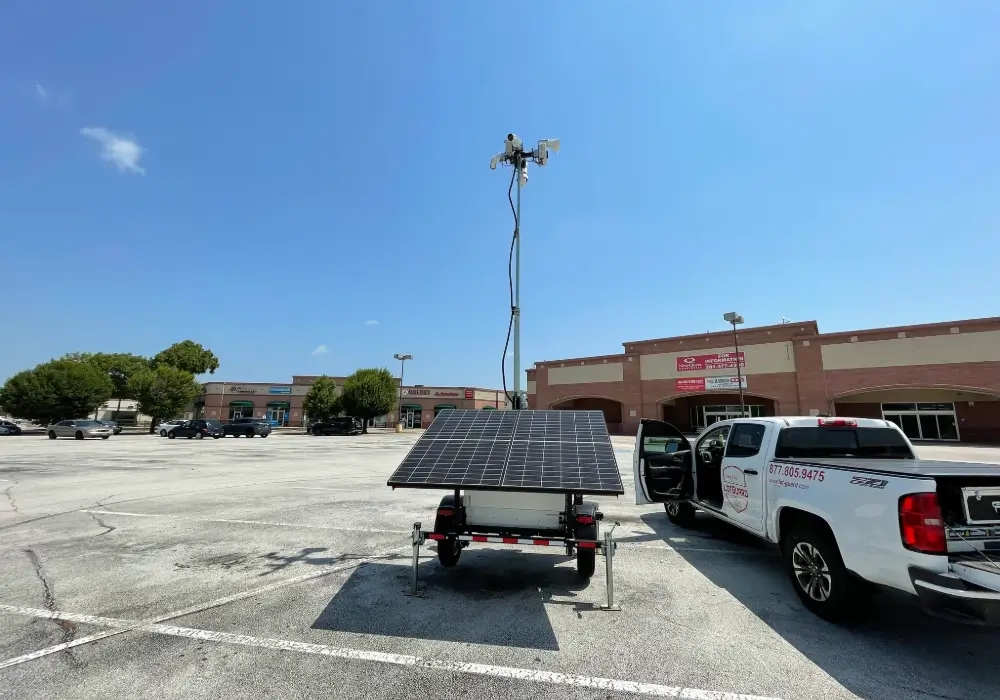
Vacant retail listings lose value faster than occupied ones because the property valuation is directly tied to income-generation potential. Vacancy signals both lower demand and higher risk to prospective buyers, investors, and tenants, and the longer a storefront sits empty, the harder it is to change that perception.
With vacant properties being 3-5X more likely to experience theft, vandalism, squatting, and other types of property crime in the USA, the financial and physical implications compound quickly. Crime drives up operating expenses, reduces tenant interest, and pushes capitalization (cap) rates higher, a combination that erodes market value, which retail assets can't afford.
In this article, we look at what actually happens to retail space value when a site sits empty, why listings lose value faster than office or industrial premises, and what commercial real estate (CRE) brokers and managers can do to slow or stop that decline.
What Vacancy Rates Mean in Commercial Real Estate
Before we go into more detail on why vacant listings lose value faster than other commercial real estate, it's best to discuss what vacancy rates actually mean.
In a nutshell, vacancy rates measure the percentage of available retail space that is unoccupied at any given time. In retail, higher rates typically mean lower leasing activity and demand, which is one of the first metrics potential tenants, investors, and buyers look at when assessing whether a location is the right fit for their business.
There are 2 main types of vacancy rates (%), each with its own calculation formula:
Physical: (Number of Vacant Units / Total Number of Units) x 100
Economic: (Gross Potential Income - Actual Rental Income) / Gross Potential Income × 100
Physical vacancy rates show how much retail space is physically standing empty. Economic vacancy rates capture revenue and tenant incentives losses, including free rent periods, rent credits, and/or below-market lease rates.
Retail buildings are impacted by consumer traffic and tenant success. When a key anchor tenant (e.g., major grocery or department store) moves out, the impact is felt immediately. Smaller stores often rely on that anchor to drive foot traffic, and many shopping centers may have co-tenancy clauses that allow them to reduce retail rents or exit altogether if the anchor leaves. its
What starts as one vacancy can quickly turn into a domino effect, putting the entire shopping complex (and market values) at risk.
What Happens to Retail Property Value When a Space Sits Vacant
When retail buildings have high vacancy rates, their market value drops almost immediately, creating both financial and physical implications for property owners, managers, and brokers alike.
Financial implications
Reduced leasing potential: Empty storefronts often signal a struggling location. Prospective tenants see vacancy as a sign of weak foot traffic and poor demand, often causing quality tenants to look elsewhere.
NOI drops; cap rates rise: Commercial retail property value is calculated by dividing Net Operating Income (NOI) by the cap rate. When a property sits vacant, lost rental income and higher operating costs reduce NOI, while higher crime rates increase the cap rate. Even a small percentage drop can equate to millions lost in market value.
ROI decline: Reduced NOI directly impacts your return on investment (ROI). With less income coming in and operating costs staying the same, the asset's ability to generate returns for investors and property owners declines. This makes vacant space harder to finance.
Higher operating expenses: Lost rental income is only part of the cost. The hidden costs stack up as brokers and property owners must still cover property taxes, insurance, maintenance, and security, with no offsetting income. To attract tenants and generate some cash flow, brokers may be forced to reduce rental rates. However, this creates a pricing precedent that's hard to work around when the market stabilizes.
Read more: How Crime Impacts Cap Rates and Valuation for Commercial Property
Physical implications
Property degradation: Without daily tenant activity, vacant retail spaces are more likely to go unnoticed and unmanaged. Issues such as roof leaks, HVAC failures, damaged signage, vandalism, and plumbing problems can escalate quickly without regular oversight, leading to increased physical deterioration and a further reduction in the property's marketability and value.
Perceived safety risk: Storefronts, parking lots, perimeters, and exterior areas are the first things prospective tenants and investors notice at vacant commercial listings. When those spaces look neglected (overgrown landscaping, no security) and unsafe, it shows the property isn't actively managed. Perceived safety concerns increase, and many tenants/buyers move on to competing properties.
Invitation for criminal activity: With little foot traffic and low visibility, vacant properties are easy targets for theft, squatting, vandalism, parking lot takeovers, illegal dumping, and homeless encampments. Each incident adds to operating costs, increases insurance premiums after repeat hits, and extends the vacancy window.
Read more:
The Main Threats to Vacant Properties
How Does Squatting Impact Vacant Properties?
Why Vacant Retail Listings Lose Value Faster than Office or Industrial Premises
While both office and industrial properties rely on safe parking areas and monitored entrances to maintain existing tenant satisfaction and visibility across expansive areas, they typically don't lose value as quickly as retail spaces.
Office spaces hold value primarily through lease potential and long-term income stability. Even with vacancies, office buildings can retain value if they are well-located and positioned to secure future tenants.
Industrial real estate tends to have more stable cap rates than any other commercial sector, largely because demand for warehouse, logistics, and distribution space remains consistently strong. Access to transport infrastructure and loading docks also helps industrial properties hold value.
Retail listings, such as strip malls and shopping centers, are different. Their value depends heavily on street-facing activity, foot traffic, and location appeal. Any variance in these makes cap rates more sensitive to vacancy and perceived risk. A vacant space signals decline to prospective retail tenants and investors, reduces NOI, and triggers physical degradation (from neglect and property crime), accelerating value loss compared to less-visible sectors.
Read more: Understanding How to Manage Vacant Properties in Texas
How Real Estate Brokers Can Slow or Prevent Value Erosion
Real estate brokers need a proactive approach to protecting retail listings during times of vacancies. Brokers who act early keep properties tour-ready, limit exposure to crime, and give owners the confidence that their asset is being properly managed.
Here are 3 practical approaches:
| Suggestion | Description |
| Minimize vacancy windows | Short-term leases and pop-up arrangements keep visible activity on-site and show that premises are occupied and watched. Even partial occupancy is better than no tenants at all, reducing criminal activity and helping maintain perceived asset management. |
| Enhance curb appeal | Exterior areas shape leasing decisions before anyone steps through the door. Well-maintained parking lots, updated lighting and signage, and litter-free walkways signal active management and make the property more inviting to prospective tenants and customers. |
| Invest in active mobile surveillance | A monitored site is harder for thieves, loiterers, and trespassers to access. 24/7 surveillance with remote monitoring and AI analytics provides brokers and management teams with the evidence they need for law enforcement investigations and insurance claims. |
Together, this layered approach keeps vacant sites safe and secure, deters theft and vandalism, and helps protect the property’s long-term value.
Read more:
Commonly Asked Security Questions From Property Managers
Frequently Asked Questions About Vacant Property Security
A Comprehensive Property Management Risk Mitigation Framework
The Best Mobile Surveillance Solutions for Vacant Retail Listings
LotGuard's range of mobile parking lot surveillance solutions can reduce crime by up to 86% and is purpose-built for the commercial sector, whether sites are occupied or vacant.
Standing up to 20-feet tall, the LotGuard PRO is a solar-powered Surveillance Trailer that deploys to any vacant exterior space in minutes. Equipped with near-360° PTZ (Pan-Tilt-Zoom) cameras, AI-video analytics, and remote monitoring through LotGuard's Interactive Surveillance Operations Centers (ISOC), it detects suspicious activity (both day and night) before damage can impact property values.
The LotGuard MINI is a pole-mounted 4-camera system that installs on existing structures without fixed wiring. It's ideal for targeting high-risk areas like loading bays, rear entrances, and parking facilities. With 23X optic zoom PTZ cameras, in-built video analytics, and remote monitoring, systems transmit footage via secure 4G/5G networks, deterring crime where it tends to start at vacant retail sites.
The LotGuard MULTI surveillance system uses multiple PTZ cameras for wide-site coverage, perfect for monitoring strip malls and large surface lots where perimeter blind spots create vulnerability. Using smart analytics and remote monitoring, they protect vacant listings from both opportunistic and organized retail crime (ORC) groups while timestamping every event for later review.
Add-on License Plate Recognition (LPR) Cameras log all vehicle movements in and around vacant listings with near-pinpoint accuracy using smart analytics and remote monitoring. Capturing the vehicle's make, model, and color, they create an audit trail of all entry/exit points across your entire property and provide credible, timestamped evidence if a crime occurs.
Our cloud-based platform brings footage from all LotGuard solutions into one consolidated view. As an enhancement to your property security strategy, real estate brokers can access live and historical footage, control surveillance cameras remotely, and generate reports on demand. It becomes your "eyes and ears" when properties stand empty, giving you full control across your entire commercial portfolio from afar.
Read more:
Why Property Managers Shouldn't Overlook Remote Monitoring
Benefits of Remote Video Monitoring for Surveillance Cameras
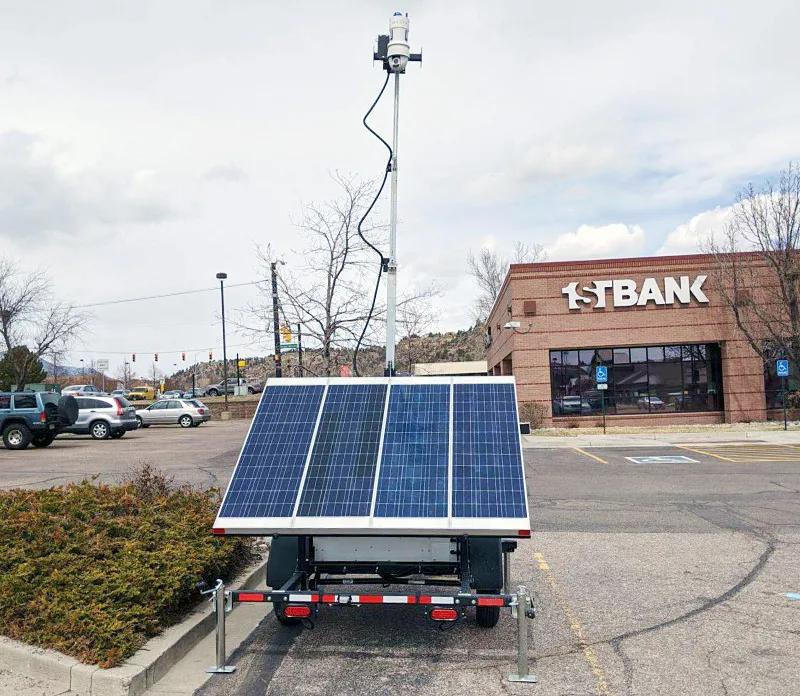
Protect Your Vacant Listings' Market Value Today
Vacant retail listings lose value faster than occupied ones because valuations are directly tied to income-generation potential and perceived risk. Every week that a retail listing sits unprotected, its market value quietly slips.
Crime, neglect, and visible deterioration are all things real estate brokers can actively manage, and mobile surveillance is one of the smartest ways to do it. By securing vacant commercial real estate early, brokers help safeguard NOI projections and long-term asset value before problems have a chance to take hold. The brokers who win long-term treat security as part of the strategy from day one, not as an afterthought after something goes wrong.
Protect your vacant listing's market value the smart way: the LotGuard way.

Contents
[hide]Related news
How Much Does Vacant Property Security Cost?
Discover the true cost of vacant property security and how different solutions compare in price, coverage, and effectiveness. Read more

The Hidden Cost of Vacancy in Commercial Real Estate (Beyond Lost Rent)
Explore the hidden costs of vacancy in commercial real estate, from security risks to asset deterioration and operational impact. Read more

Vacant Property Security: Guard Services vs Mobile Surveillance
Compare guard services and mobile surveillance for vacant property security and learn which option offers better protection and cost efficiency. Read more
Contact Us
Request a Quote for LotGuard
Ready to learn more about how LotGuard can protect your Parking Lots and Properties? Get in touch today for a free quote.