
Top 10 Commercial Property Hotspots for Copper Theft Risk
Discover the top commercial property hotspots for copper theft risk and how businesses can better protect high-value assets.
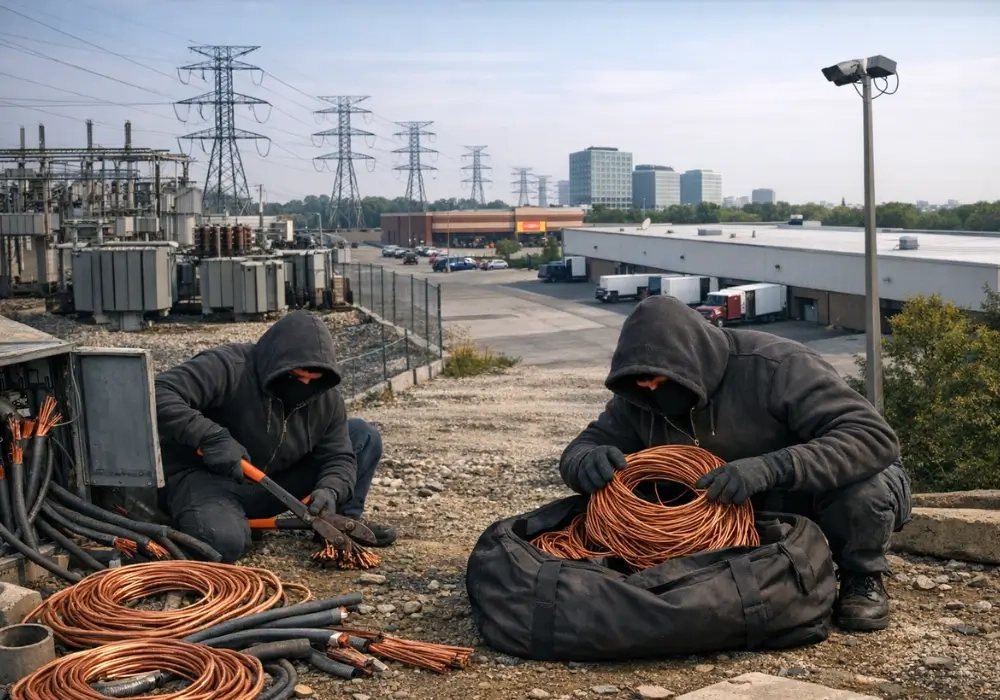
The Department of Energy (DOE) estimates copper theft costs US businesses about $1 billion each year, with insurance claims up 26% year over year. What's worse, that figure doesn't account for emergency repairs, project delays, insurance spikes, and operational downtime that pile up after each incident.
These crimes aren't random. They're highly coordinated criminal operations aimed at high-value commercial sites where security gaps or easy access make removal fast and low-risk. Organized crime groups (OCGs) actively look for predictable factors (isolated locations, poor security measures) that make a property an easy target.
Property managers know copper theft is a risk, but many aren't sure which commercial properties are most frequently targeted or how to prevent metal theft before copper thieves strike.
This article breaks down why copper theft is escalating, the 10 commercial property hotspots for copper theft risk, and how rapid deployment surveillance can help deter metal theft and vandalism before costly damage occurs.
Why Copper Theft Is a Growing Threat to US Commercial Properties
Copper is attractive to criminals because it's valuable and hard to trace once it's sold on scrap markets.
At current market rates above $5 per pound, a single copper wire theft from a commercial property can generate thousands of dollars in illicit income, with very little risk or consequence for criminals if the site is poorly monitored.
Often stripped in hours and left behind with extensive structural and operational damage, the common targets of copper theft incidents include:
-
HVAC systems
-
Electrical wiring
-
Plumbing fixtures
-
Rooftop units
-
Copper panels
In many cases, the repair costs far exceed the value of stolen copper, turning a "quick theft" into a long-term financial setback for property owners, managers, and investors.
Where does copper theft occur the most? California has become one of the nation's hotspots for copper wire theft, fueled by post-wildfire rebuilds in LA, exposing copper wiring in vacant buildings. Texas and California round out the areas hit hardest by AT&T (telecoms) copper wire theft, costing around $40 million in damages nationwide.
Several clear trends are fueling the rise of property crime and copper wire theft across US commercial real estate:
-
The Trump administration’s 50% tariff on all copper imports (August 2024) resulted in record-high copper prices that made metal theft too valuable for criminals to ignore. When copper prices rise, even small thefts can reap major, quick profits through illicit scrap metal markets.
-
Organized crime networks have replaced opportunistic criminal activity, targeting commercial, vacant, and construction sites with precision. Criminals focus on sites where large quantities of copper can be removed quickly and efficiently.
-
Limited overnight security measures at commercial properties create predictable low-risk windows where thieves can operate without drawing much attention.
But how do you prevent copper theft at commercial sites? Simply put, the environmental conditions of a property communicate its vulnerability to potential intruders before they've even approached it. Changing what message your commercial/vacant site sends out is the foundation of effective crime prevention.
Read more:
Top 10 Commercial Property Hotspots for Copper Theft in the US
Understanding where copper theft happens the most is the first step toward protecting your assets. Below, we discuss the 10 commercial property hotspots for copper theft across America:
1. Active construction sites
Construction jobsites often fall victim to metal theft in the US, with over $1 billion of copper being stolen from jobsites annually.
New builds and commercial developments contain large amounts of exposed copper cables, wiring, and plumbing fixtures, which are often installed before buildings are secured. Open perimeters, low after-hour activity, and no permanent infrastructure (e.g., mains power) for security systems create the perfect conditions that organized crime groups look for.
2. Vacant commercial buildings
Empty commercial units and underused surface lots/storage areas can quickly attract trespassers, illegal dumping, squatters, homeless encampments, and property damage such as metal theft and vandalism. This is because vacant properties, whether that's between tenants or during renovations, lack the natural surveillance that regular occupancy provides.
With 70% of property crime happening under the cover of darkness, HVAC units, electrical panels, plumbing components, and copper wiring are more accessible to both opportunistic and organized crime groups. Because of limited nighttime oversight and predictable vacancy patterns, thieves can operate for a long time before anyone notices.
Read more: Understanding How to Manage Vacant Properties in Texas
3. Vacant and transitional retail units
Empty retail stores also face security risks, particularly across parking lots and delivery areas, where activity is harder to manage and control. With fewer staff and little foot traffic, these spaces often attract theft, squatting, vandalism, and even illegal dumping during evenings and other low-traffic periods.
Without visible deterrents such as anti-climb perimeter fencing, lighting, or active remote monitoring, vacant and/or transitional retail sites become easy targets for unauthorized access and suspicious activity.
Rooftop HVAC systems are especially vulnerable, as they're accessible without forcing entry into the building itself. For stores awaiting new tenants, thieves have time to strip copper wires and cables with minimal risk of interruption.
Read more: Nighttime: The Biggest Security Threat for Property Managers
4. Industrial and manufacturing facilities
Industrial yards and sites, ranging from machinery to electronics and technology manufacturing, contain large volumes of copper found in machinery, electrical wiring, motors, and cooling systems. These facility layouts are often large with multiple entry points and perimeter gaps that are difficult to secure at all times. What's more, industrial facilities are often situated near highways, giving criminals a quick and easy getaway route with stolen goods.
During night shifts or maintenance shutdown periods, entire sections of a site can go unmonitored for hours or even days, creating the ideal environmental factors for organized theft. A single, coordinated raid can yield thousands in scrap value, while the repair and replacement costs for property owners can run well into the millions.
Read more: The Importance of Perimeter Security for Commercial and Industrial Properties
5. Utility-heavy buildings and local infrastructure sabotage
Utility centres (e.g., communications networks, electrical substations) have become some of the most heavily targeted environments for copper theft in the United States, and few Californian cities have felt it more than Los Angeles.
Copper wire theft wreaked havoc on landline telephone service across the city in late 2024, and similar incidents disrupted internet services in Houston, Texas.
Between 2017 and 2022, street light outages became a persistent problem, with thieves stripping and vandalizing them for their copper components. From 2022 to 2025, the same pattern hit LA's Sixth Street Bridge, where thieves stole more than 38,000 feet of copper wire, causing $2.5 million in damage and leaving the bridge standing in complete darkness.
For property professionals and facility managers overseeing sites with critical infrastructure, the risks are real and increasingly organized.
6. Healthcare and medical facilities
Because hospitals and healthcare campuses never really close, people are coming and going at all hours. With large parking areas, emergency entrances, and multiple access points, security teams often have to cover a lot of ground at once, making full visibility a challenge.
At the same time, these facilities heavily rely on industrial electrical systems, medical gas lines, and extensive copper wiring to function safely. That infrastructure is highly attractive to thieves.
When copper is stolen from a healthcare facility, the impact goes far beyond repair costs. A damaged electrical or HVAC system can interrupt patient care, create safety concerns, and raise serious compliance issues, turning a theft into a much bigger legal and operational problem.
7. Foreclosed/abandoned properties
Foreclosed and abandoned properties are often left unattended for long periods, making them high-value targets for criminals. And the problems compound further when sites are situated in remote locations. With no regular occupancy and very little on-site activity, these buildings quickly become known targets for thieves looking for easy access and minimal risk.
Once a property appears rundown (with visible signs of neglect), repeat crimes are common. This means copper metals can be stripped in stages, sometimes over multiple visits. Apart from the direct loss of materials, metal theft frequently leaves properties with severe structural damage, driving up repair costs for property owners.
Read more: Top Security Challenges for Property Managers and How to Overcome Them
8. Logistic and distribution hubs
In 2024, cargo theft incidents climbed to over 3,000 across North America, marking a 27% year-over-year increase and total losses exceeding $455 million. Shockingly, most of these cargo heists involved metals, with metal-related cargo theft rising to 96% in a single year. That spike coincided with record-high copper prices, which reveals a great deal about how sophisticated organized crime groups have become.
Logistics and distribution sites tick almost every box on the list of what makes a property vulnerable: large open sites, multiple unsecured access points, and predictable overnight inactivity. Add an isolated location with limited natural surveillance, and you've got exactly the conditions organized groups look for before they strike.
9. Educational campuses and schools
Schools and university campuses have large layouts with multiple buildings, extensive HVAC systems, electrical panels, and copper plumbing throughout. They're also generally quieter in the evenings and over weekends and semester breaks, giving criminals a predictable and largely unmonitored window to work in.
Replacement costs add up fast across multi-building sites, and any disruption during term time creates operational headaches that go well beyond the repair bill itself.
Read more: What are the Main Security Challenges Affecting Campuses?
10. Parking and surface lots
Parking lots often contain valuable infrastructure like lighting columns and electrical supply lines. Standalone lots, or those close to vacant retail and commercial buildings, are particularly vulnerable due to limited physical security.
Surface lots can also be a common access route for theft at neighboring properties. Without perimeter monitoring or after-hour security, a parking lot can quietly become the easiest way for thieves to enter and exit a site without drawing attention.
Read more: The Complete Guide to Parking Lot Security
Preventing Copper Theft with Rapid Deployment Surveillance
Understanding which property types are most at risk is the first step. The next step is making sure your sites don't send the signals that put them on a theft network's list.
Copper theft prevention in commercial buildings comes down to choosing surveillance that's visible and fast to deploy.
Here are a few of LotGuard's rapid deployment parking lot surveillance solutions that recognize suspicious activity the minute it unfolds:
-
LotGuard PRO: Combining HD cameras, solar power, cellular connectivity, and AI detection to deter crime, this mobile surveillance trailer is deployable to any commercial lot in minutes. Its 20-foot tower with multiple cameras that rotate nearly 360° provides the physical security deterrent that stops crime before it escalates.
-
LotGuard MINI: A compact, 4-camera pole-mounted surveillance system designed to secure parking lots, retail properties, and commercial sites. Transmitting footage securely over cellular networks, property management teams can review live and recorded footage from afar.
-
License Plate Recognition (LPR) cameras: Add-on LPR units use high-quality cameras and onboard analytics to identify and log vehicles entering or leaving your property (including make, model, and color). They provide a timestamped audit trail that helps identify repeat vehicle activity.
-
Stellifii: Our cloud-based platform powers every LotGuard system. Connecting security cameras, AI detection, and LPR data into one secure interface, Stellifii gives you access to real-time site activity from any device.
Whether you're managing a commercial property portfolio, a residential community, or a vacant lot awaiting redevelopment, LotGuards surveillance solutions are designed to detect, deter, and defend properties against criminal activity.
Read more: Why Property Managers are Turning to LotGuard for Security
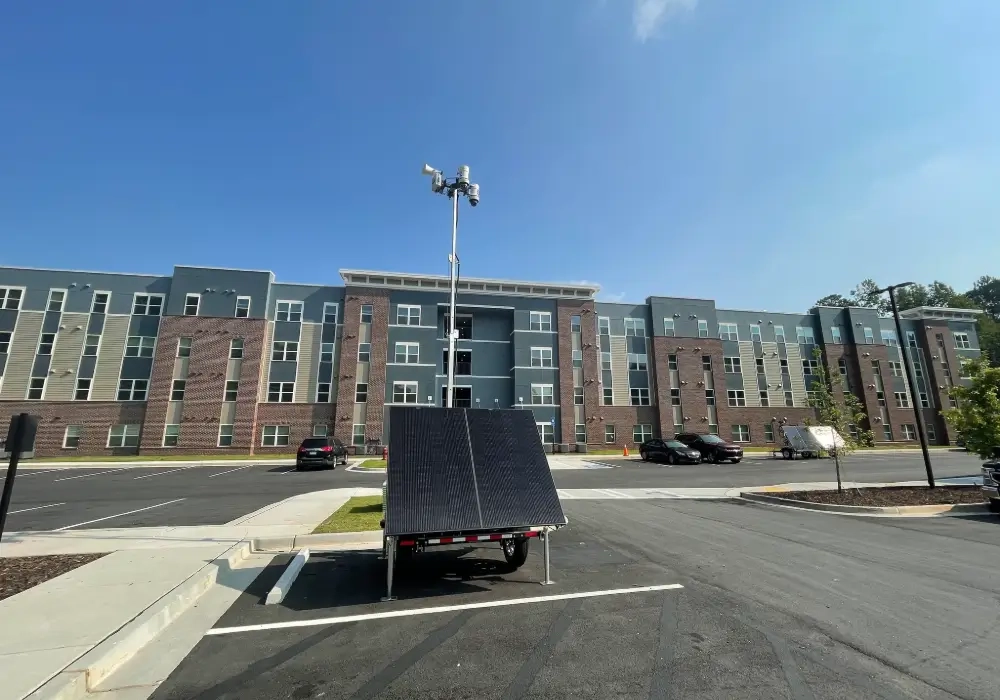
Copper Theft Prevention Done Right
As copper prices rise, so does the incentive to steal it. And because copper prices aren't coming down any time soon, neither is the intention of organized crime networks targeting commercial properties for copper theft across the US.
Commercial sites with predictable vacancy periods and/or limited security are often targeted first. If your site ticks these boxes, chances are your property is already on someone's radar. But by choosing smarter surveillance that's visible and fast to deploy, you make it harder for thieves to operate undetected.
LotGuard's systems are "Always Awake and Always on Guard," helping property owners significantly reduce metal theft from their sites before damage occurs
Contact our surveillance specialists for a free quotation today.

Contents
[hide]Related news
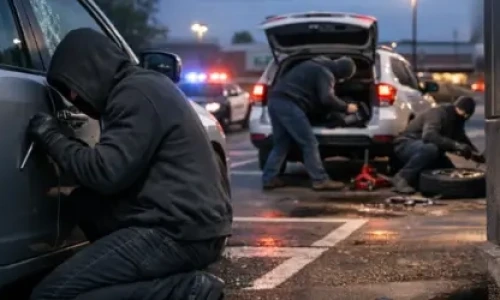
The State of Property Crime in the US (And How to Protect Yours)
Explore the current state of property crime in the US and learn how smarter security solutions can help protect your property. Read more

Environmental Risk Factors that Increase Property Crime Exposure
Property crime often comes down to opportunity. This guide explores the key environmental risk factors that make properties vulnerable, and how the right conditions can deter criminals before they act. Read more
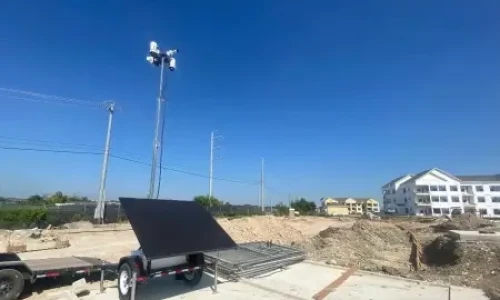
Commonly Asked Security Questions From Property Managers
LotGuard answers the most common questions property managers ask about surveillance units and how LotGuard can help secure your properties. Read more
Contact Us
Request a Quote for LotGuard
Ready to learn more about how LotGuard can protect your Parking Lots and Properties during the holidays? Get in touch today for a free quote.