
Parking Deck vs Surface Lot: Risk Differences Property Managers Should Know
Parking decks and surface lots face different threats. Discover how to manage risk and improve security across both.
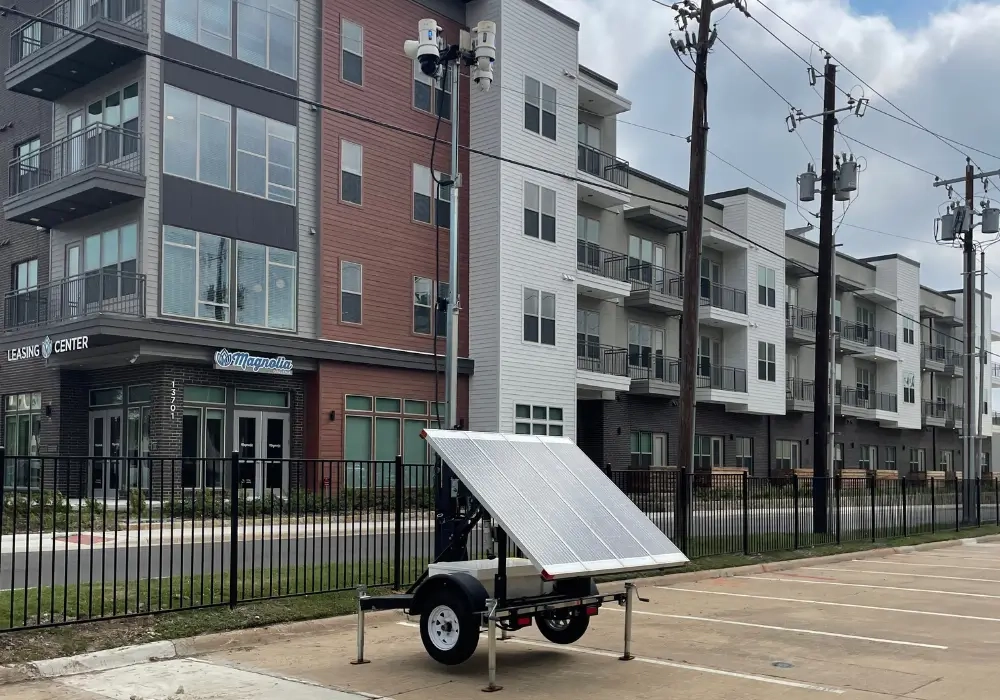
Parking facilities and garages are one of the most common locations for violent crime in the United States, ranking third overall. And when incidents occur, property managers can face serious consequences. Unmonitored or poorly managed surveillance cameras increase liability risk, and negligent security settlements can reach up to $500,000+.
But parking decks and surface lots don't carry the same risks. Their physical designs create entirely different vulnerabilities, and a security approach that works for one may leave the other dangerously exposed.
For commercial property managers overseeing mixed portfolios (office parks, retail centers, vacant lots, etc.), understanding how each parking structure affects risk exposure is the foundation of an effective security strategy.
This article breaks down parking deck and surface lot risk differences and explains how smart mobile surveillance can mitigate risk before damage or liability exposure occurs.
Risk Factors Explained: Parking Decks vs Surface Lots
The physical design of parking spaces shapes almost every risk it carries. Surface lots are open to the elements, easy to enter/exit, and visible from most angles. Parking decks have multiple levels with columns, ramps, and stairwells that create blind spots and make consistent surveillance much harder.
Neither type is inherently more dangerous, but the risks are different:
|
Risk type |
Parking deck |
Surface lot |
|
Safety |
Stairwells, ramps, and low-light levels create personal safety hazards |
Open perimeters with risks concentrating after dark when foot traffic is low |
|
Liability |
Structural issues and access control gaps |
Potholes, surface damage, and poor lighting |
|
Fire and environmental |
Enclosed spaces trap heat and toxic fumes |
Stormwater runoff and UV/weather damage |
|
Crime |
Blind spots from columns and levels |
Open access, higher vehicle theft rates, squatting, and homeless encampments |
|
Structural and maintenance |
Concrete degradation, steel rust, sagging floors, and water damage |
Surface cracks, drainage issues, and line marking wear |
Safety risks
Parking decks: Ramps and level changes are a hazard for both drivers and pedestrians. Going from bright daylight into a darker interior can cause momentary "blindness", increasing the risk of an accident. It's been noted that poor visibility contributes to roughly 35% of parking facility crashes. Poorly lit stairwells and elevator areas also create the perfect conditions for criminals to exploit.
Surface lots: Uneven sidewalks, missing (or faded) crosswalk markings, and poor lighting across large open areas create hazards, especially at night. In bad weather, pools of water and ice increase trip hazards and vehicle collisions.
Liability risks
Parking decks: Liability exposure mostly stems from structural conditions and lighting issues. Cracked or uneven ramp surfaces and poorly lit areas are common causes of slips, falls, and injury claims. Beyond physical liability, poor lighting and inadequate security in parking areas also increase the risk of violent crimes.
Surface lots: Poorly kept parking lots create liability exposure for commercial property managers. Potholes, cracked sidewalks, faded markings, and insufficient lighting all increase the likelihood of accidents and claims. Common incidents include vehicle damage from potholes, falls due to uneven surfaces, and vehicle/pedestrian collisions in low-light conditions.
Fire and environmental risks
Parking decks: 32% of Electric Vehicle (EV) fires occur while parked. In enclosed or semi-enclosed spaces, heat, smoke, and toxic fumes build up much faster than they would outdoors, which can cause fires to spread more quickly and put human health at risk. Extreme temperatures can crack concrete surfaces, leading to structural damage.
Surface lots: Vehicle oil, coolant, and other fluids build up over time on open parking lots, and that runoff ends up in drains, creating environmental liability if it's not managed. Poor drainage speeds up surface damage, leading to more frequent maintenance and repairs. Also, in warmer climates, line markings and signage tend to fade faster in the sun.
Crime and security risks
Parking decks: The structural design of parking decks (columns, ramps, multiple levels) is where fixed security cameras struggle the most. Criminals often target parking decks for this reason, knowing upper levels and blind spots are rarely monitored in real-time. Because parking decks are mostly enclosed, both vehicle-related crime and crime against people occur at a higher rate than in surface lots. In fact, 65% of drivers reported feeling unsafe in parking garages after dark.
Surface lots: Reports from the US Department of Justice reveal that vehicle theft is 6X times more likely to happen in open surface lots than in staffed parking decks. This is mainly because surface parking areas can be accessed from multiple points due to their open structural design. Unmanned lots are also more likely to attract squatters, loiterers, illegal dumpers, and suspicious after-hours activity that often goes unnoticed until significant damage is already done.
Structural and maintenance risks
Parking decks: Water ingress can cause concrete columns to crack and steel frameworks to rust, weakening the entire structure over time. Worn joints and overloads can cause sagging floors or even collapse.
Surface lots: Cracks, sink holes, loose gravel, faded markings, drainage issues, and heave and subsidence commonly occur in surface parking spaces. Left unaddressed, these issues compound and worsen with traffic loads.
Read more:
-
Parking Lot Maintenance Checklist for Property Managers
6 Risk Mitigation Best Practices for Parking Facilities
Below, we outline 6 risk mitigation strategies for parking facilities:
1. Upgrade lighting
Surface lots need bright illumination across the full area, especially along perimeters and pedestrian paths. Parking decks need more targeted lighting in stairwells, ramps, and lower levels where daylight doesn't reach.
2. Add visible surveillance
Basic security cameras only record incidents but do very little in preventing risks from happening. Smart systems with remote monitoring, through Interactive Surveillance Operations Centers (ISOC), verify incidents as they unfold and trigger near-immediate response when suspicious activity is detected. These capabilities alone change criminal behavior, deterring crime before it even begins.
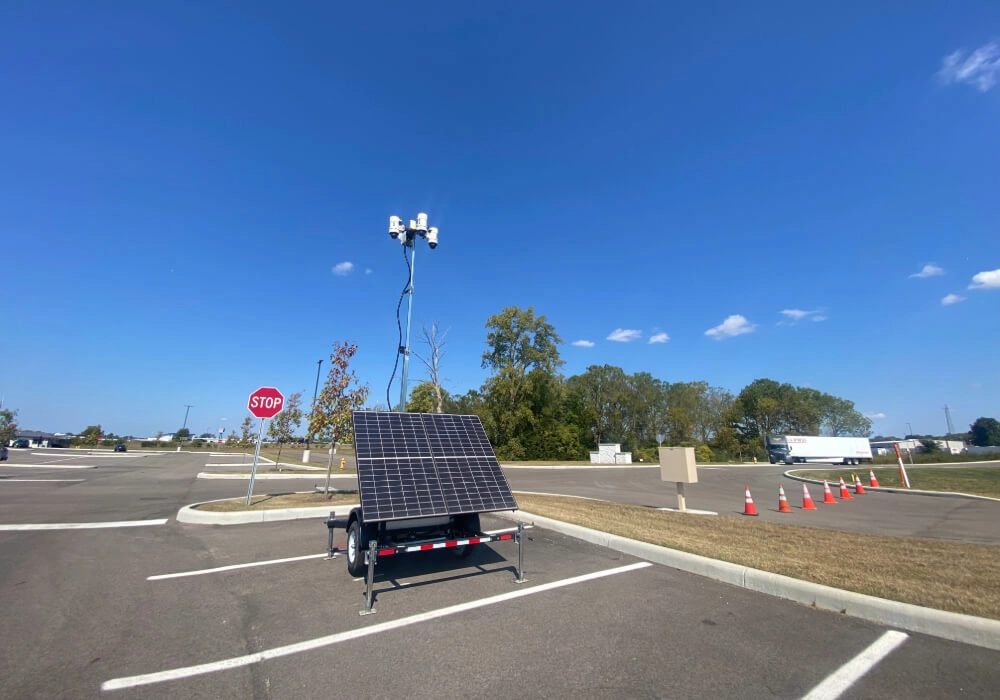
For surface lots, mobile surveillance trailers, like the LotGuard PRO, provide wide-area visibility from a 20-foot telescopic mast. Equipped with AI analytics and PTZ (Pan-Tilt-Zoom) night vision cameras, they consistently monitor open parking areas 24/7, day and night.
For parking decks in particular, where targeted surveillance is required, LotGuard MINI pole cameras can be deployed at high-risk points. Fitting directly onto existing structural elements (columns, stairwell entry points, steel frames), they deliver 23X optical zoom from a single compact unit, filling the blind spot gaps that criminals depend on.
License Plate Recognition (LPR) cameras add another security layer to both parking environments. By logging every vehicle entering/exiting and identifying repeat offenders, they provide an auditable trail for incident and law enforcement investigations.
Cloud-based platforms, like Stellifii, tie everything together by connecting live camera feeds, AI detection alerts, and LPR data into a single dashboard. This gives parking garage property managers the "eyes and ears" they need on the ground to stop crime before it escalates.
3. Schedule regular maintenance
Both parking facility types require ongoing maintenance.
In decks, routine checks should cover structural elements like concrete condition, expansion joints, and load-bearing capacity, along with everyday wear on ramp surfaces and signage.
For surface lots, pothole repair, drainage issues, line marking refresh, and perimeter fencing must be addressed as soon as they occur.
Keeping documented inspection records is also advisable, as it strengthens your position should disputes or liability exposure risks arise.
4. Install clear signage
Proper signage is invaluable in parking areas because it tells drivers and pedestrians what to do (and what not to do).
In decks, clear directional signs on ramps and at level transitions reduce driver confusion and wrong-way accidents.
In surface lots, marked walkways and entrance/exit points help keep vehicle-pedestrian conflicts to a minimum.
5. Fire safety and environmental protocols
If your parking deck has EV chargers (or you're planning to add them), check that your sprinkler systems comply with NFPA 88A standards, as many older systems were designed for different hazards.
In deck facilities, implement fire safety protocols and install multiple fire extinguishers and smoke detectors along perimeters and across levels to mitigate fire risks. Staff safety training and regular fire drills are also recommended.
For parking lots, ensure proper disposal of hazardous materials and keep drainage clear to prevent environmental contamination. Shaded areas are an option to mitigate weather and sun damage.
6. Insurance coverage
Insurance coverage should be tailored to the specific type of parking you provide. Because parking decks and surface lots carry different risks, a "one-size-fits-all" insurance policy won't cut it. Regularly review your policy to reflect current conditions and evolving risk exposure.
Read more:
Reduce Parking Facility Risk with LotGuard
Surface lots and parking decks carry different risks, but both are hard to monitor consistently without the right infrastructure in place.
Surface lots require site-wide visibility, while parking decks call for more targeted surveillance across multiple levels.
LotGuard's mobile parking lot surveillance solutions address exactly that. Operating autonomously and providing near-360° coverage, managers of commercial parking spaces can maintain complete oversight and reduce risk while closing common security and liability gaps.

Contents
[hide]Related news

The State of Property Crime in the US (And How to Protect Yours)
Explore the current state of property crime in the US and learn how smarter security solutions can help protect your property. Read more
Top 10 Commercial Property Hotspots for Copper Theft Risk
Discover the top commercial property hotspots for copper theft risk and how businesses can better protect high-value assets. Read more
A Comprehensive Property Management Risk Mitigation Framework
Build a 4-step risk mitigation framework for property management, covering physical security, liability, and exterior monitoring. Read more
Contact Us
Request a Quote for LotGuard
Ready to learn more about how LotGuard can protect your Parking Lots and Properties during the holidays? Get in touch today for a free quote.