
The Hidden Costs of Late-Night Loitering in Fast Food Restaurant and Retail Parking Lots
Explore the hidden costs of late-night loitering in fast food and retail parking lots, including safety risks, liability, and operational impact.
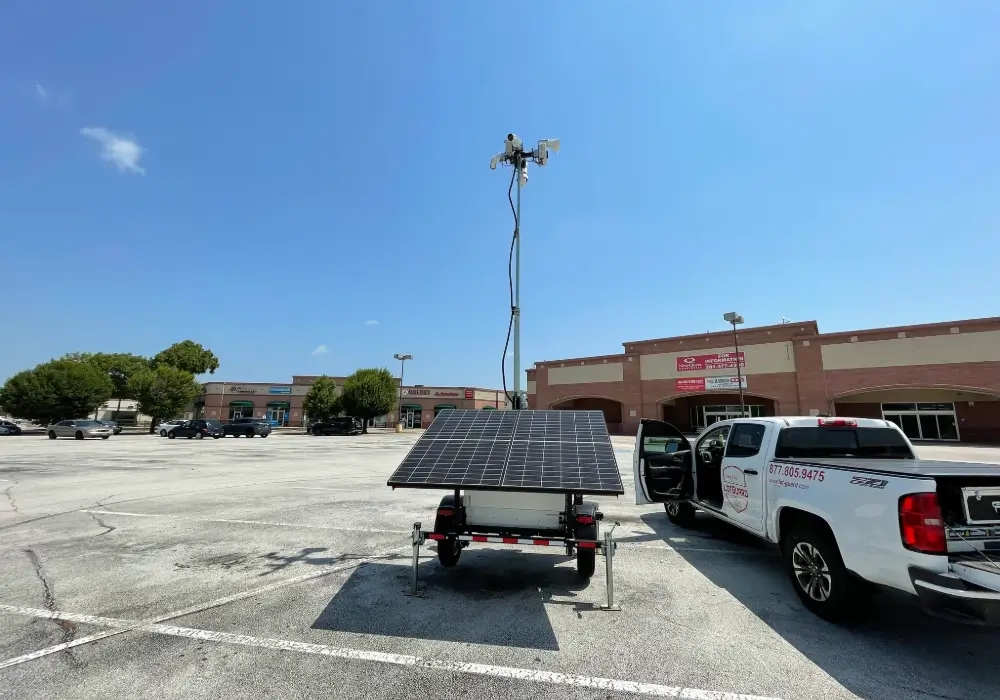
Fast food restaurants and retail stores that operate late at night often face various security risks; however, the parking lot is commonly overlooked by many businesses.
As soon as darkness hits, loitering, vandalism, and unwanted criminal activity begins to take place, quietly rooting itself outside the building, in the parking lot, and in blind spots around the store.
This buildup of behaviour and criminal presence creates safety concerns for customers and employees, leading to stress, absenteeism, personal property loss, and potential injuries.
Incidents caused by late-night loitering quickly add up across multiple locations, making the life of franchise and operational managers fraught with increased operational costs, poor brand trust, and major day-to-day disruption.
Related Article: Five Ways Mobile Surveillance Cameras Improve Safety Across Multiple Safety Locations
How Late-Night Parking Lot Activity Impacts Operations
Loitering is more than just nuisance behavior at night, over time it quietly impacts your operations and business bottom line, two primary foundations of any restaurant or retail store.
More than 2 million property crimes occur in parking lots annually, varying from vehicle and personal property theft to vandalism and break-ins. Crime of any kind, especially repeated patterns of it erode at customer trust and place staff safety into question.
Although loitering does not guarantee crime, the visibility of such behavior at night can suggest the environment is unsafe, leaving potential customers to drive past that location or discourage employees from coming to work.
In fact, 35 % of parking lot crimes occur between 10 p.m. and 2 a.m. With many restaurants and retail stores operating at their busiest in the evenings and at night, this leads them facing large financial losses as customers look elsewhere.
The result? Thinly resourced overnight teams face added pressures, placing additional risks to themselves, customer, and overall business.
Employees can feel responsible for managing more than just the internal areas of the business, expanding their role to cover the exterior of the building and parking lot also. This not only distracts them from their core role and increases stress but leaves your lot vulnerable to security gaps still.
Away from the safety risks, frequent incidents of vandalism, theft, and criminal damage, whether that’s graffiti or vehicle break-ins, quickly add up in maintenance costs and insurance claims. In turn, driving up premiums over time.
Late-night loitering isn’t just a security issue, it’s also about customer perception, staff morale, and avoidable operational costs that impact your full portfolio of stores, not just the affected location.
Related Article: True Cost of Nighttime Vandalism for Big Box Retailers
Why Late-Night Loitering Is More Expensive Than It Looks
Late-night loitering is often treated as just a nuisance, however, for fast food and retail operators, this unwanted activity creates real operational costs that eat away at the bottom line.
What appears as lingering behavior can quickly escalate into the parking lot, leading to vandalism, illegal dumping, damaged property, and vehicle theft. The outcome often being that your business is left picking up the bill for any cleanup and repairs required to resolve any incidents.
Maintenance is not the only cost you’ll need to consider; the financial impact of loitering extends further than this.
Customer Perception Costs
For late-night customers, the parking lot is the first entry point and is where first impressions will often be formed on a business. Therefore, if groups are seen loitering around the entrance, EV charging stations, or generally in your lot, this can create an unsafe image of your business for customers.
This unwelcomed feeling often leaves customers uncomfortable, making them more likely to drive past, shorten their visit, or go to a competitor whose safety appears better.
In the long-term, this erodes brand trust and reduces the late-night traffic received by that location, which for 24/7 stores that rely on consistency, this lost can become extremely costly to your business. Not just for that location, but your full portfolio.
Operational Costs
Unmonitored loitering can quickly escalate, increasing operational stain in multiple ways. From repeated vandalism at EV charging stations driving up maintenance and repair costs to frequent insurance claims leading to rising premiums.
Managers are often dragged into reactive work, trying to resolve the incident after it occurs. Reviewing footage, organizing repairs, and filing reports all take time and pull manager’s attention away from developing performance and growth, which is where their focus should be.
Isolated incidents are damaging enough, combine these across multiple locations, small disruptions turn into significant, recurring costs that financially impact your full portfolio.
Human Costs
Customers tend to be held central to any fast food or retail business that employees and the role they play within this sector are often overlooked.
Overnight staff typically face reduced coverage and on-site management meaning that persistent loitering only adds to the stress and wealth of responsibilities placed on them during their shift.
Late-night loitering can make employees feel unsafe walking to their vehicles or public transport, managing the external areas of the property, or handling more high-risk situations they may not have received comprehensive training for.
This feeling and additional responsibility can contribute to long-term issues such as burnout, higher employee turnover, and increased hiring and training costs, all of which only add further responsibility to overnight employees’ roles.
Loitering may initially appear as a nuisance, but in the long-term it adds up. The cost impact escalates in the ongoing, preventable losses that affect employees, customers, brand trust, and operational efficiency.
Related Article: Improving Pedestrian Safety in a Parking Lot Environments
Common Mistakes Operators Make When Addressing Loitering
Loitering can quickly escalate and become an overwhelming issue for late night store operations. Often fitted with fixed surveillance systems or traditional security methods that cannot manage the issues presented to them.
For franchise and operational managers, addressing loitering is a challenge, but there are some common mistakes operators can make and it’s important to understand these to avoid them yourself.
- Reactive incident response – Operators often rely on reports and footage after an incident has occurred which does little to prevent repeat behavior, only contributing to ongoing cleanup and repair costs.
- Providing exterior management responsibility to overnight staff – Late-night teams are already thin meaning they aren’t equipped to manage exterior areas of the store and prevent loitering. This tends to increase stress and safety concerns in their day-to-day.
- Using record-only cameras – Passive surveillance only captures the incident, it cannot prevent or stop loitering in its tracks, meaning it’s often too late to avoid any damage as a business.
- Utilizing expensive, traditional security methods – Security guards are common options for overnight surveillance, but they’re an expensive method that often offers inconsistent service, especially when tackling multi-store security.
- One-size-fits-all security approach – To save time and money, store operators will invest in the same system for all, however, this tends to lead to blind spots due to a lack of adaptation to individual layouts and challenges.
- Poor visibility across multiple stores – Without centralized oversight, operators cannot keep track of every store with ease. This means trends are often missed and repeat issues can still easily occur across locations.
- Cost concerns – Like any business, operators and franchise managers work on fine margins, postponing prevention which often results in higher long-term expenses based on repeat incidents and lost business.
Avoiding these mistakes means moving away from reactive incident response, and instead implementing proactive, scalable solutions that effectively prevent loitering in restaurants and retail parking lots before an incident can occur.
How to Prevent Loitering in Restaurant and Retail Parking Lots Effectively
Preventing loitering isn’t about how quickly you react, it’s about creating a safe environment, from the internal areas of your store to the parking lot. Discouraging unwanted behavior and activity before it even starts.
The most effective strategies involve increased visibility, real-time action, flexibility, and coverage consistency across all locations.
Visibility as a Deterrent
Although simple, visibility plays a key role in preventing loitering on-site, especially in large outdoor spaces like parking lots. There are several ways to increase visibility:
- Increase exterior lighting
- Install highly visible security systems
- Add clear signage regarding loitering and the presence of surveillance
Loitering is far less likely to occur if those involved are aware they’re being monitored and recorded. It makes committing crime more difficult, helping to protect property, people, and brand trust.
Unlike passive cameras that simply record events, only supporting post-incident, highly visible deterrence like mobile parking lot surveillance systems change behavior in real time by increasing the perceived risk to potential perpetrators.
Real-Time Intervention
Nowadays, simply recording incidents isn’t enough to prevent financial and operational risks, especially in high traffic locations like fast food restaurants and retail stores at night.
Real prevention can only take place if the activity is being addressed as it occurs or prior to it even taking place.
Proactive monitoring via mobile surveillance systems help to quickly identify loitering, enabling early intervention through live voice-down audio warnings, alerts, and other preventative features.
This approach both prevents incidents from occurring but also stops them in the act before they can escalate into further crime like retail theft, property damage, or vehicle crime.
By taking proactive measures, you not only protect the business, but your overnight staff, who are often burdened with greater responsibilities and stress.
Mobility Across Locations
Behavior like loitering is rarely an isolated incident but rather presented in a pattern.
For franchise and operational managers tasked with supporting multiple stores, there’s likely to be times where repeated incidents occur at one store for a few weeks, and then shortly after, this moves to another store.
Without centralized knowledge of this, patterns can go amiss and this creates gaps in security that could allow criminals to easily transition crime from one store to the next.
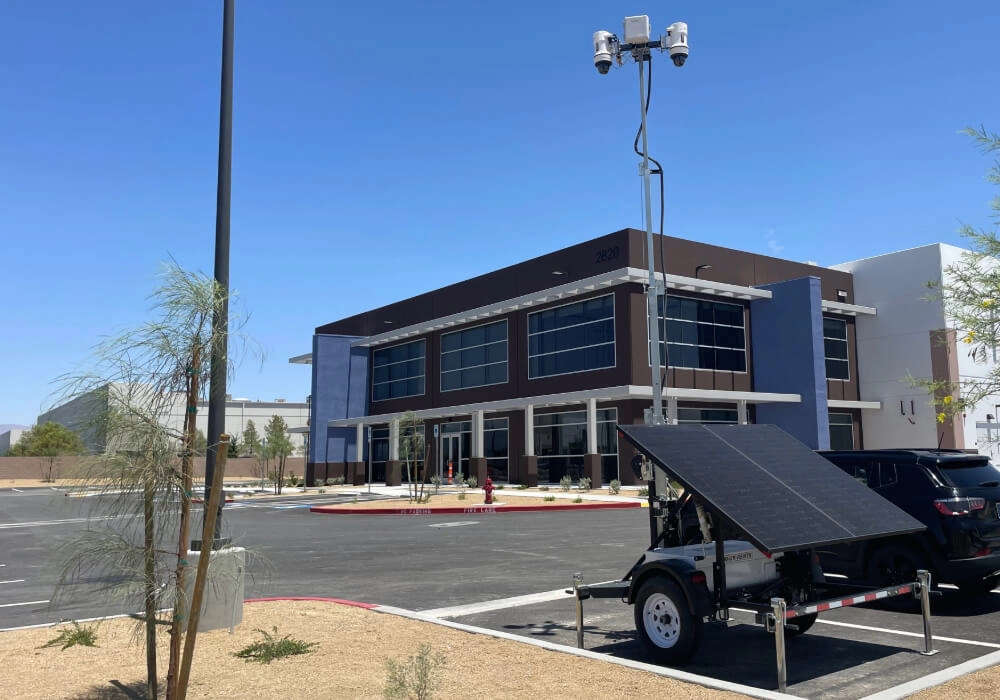
With mobile security solutions, operators can shift their coverage or scale their systems based on trends, seasonality, special circumstances, and store development/construction.
This flexibility ensures resources are deployed as effectively as possible, placing them where they are needed most or extending security based on your multi-store requirements, without needing permanent infrastructure or costly long-term contracts.
Advanced systems can also connect mobile surveillance solutions into one platform, meaning operators can identify trends and patterns early, enhancing intervention and bettering safety for overnight staff before it’s allowed to build up.
Consistency at Scale
For multi-store operators, consistency isn’t always easy when it comes to security. Every customer and employee across all your sites should feel safe at the same level of one another.
Centralized security helps to eliminate those gaps by ensuring all camera feeds from every store are fed into one platform, ensuring that live and recorded footage can be easily accessed, and any reporting is automated for ease in supporting any criminal investigations or claims.
This allows managers to take control of loitering, helping them to quickly identify repeat issues, compare performance across various stores, and make well-informed, data-backed decisions.
Essentially, instead of relying on isolated incident reports where managers are left dealing with them as they occur, smart systems allow for proactive prevention before loitering escalates.
Integrating Additional Access Control Measures
Effective loitering prevention often works best when incorporated into a broader security strategy. From after-hours access control measures, customer-only signage, and parking lot surveillance to employee protocols and pedestrian safety procedures.
By combining tools and covering all security needs with proactive surveillance monitoring and strong criminal deterrence features, these measures help to clarify site boundaries, strengthen safety procedures, and reduce opportunities for loiterers to take advantage of.
For example, incorporating tools like License Plate Recognition (LPR) technology into a strategy, systems can monitor and record the incident, but also find any vehicle information involved in it.
Whilst these steps should all be included in any effective prevention strategy for loitering, many operators still struggle to implement these using traditional overnight security models.
Related Article: Smart Surveillance for Smarter Stores: Using LPR to Protect High-Traffic Parking Areas
Why Traditional Overnight Security Often Misses the Mark
Traditional security measures like overnight guards or static camera systems tend to be heavily relied upon, but their approach generally misses the mark to manage the realities of late-night loitering.
Guards are often expensive, especially when required across multiple store locations. The only way to scale is to employ additional staff, which quickly increases costs and still leaves you with gaps in your security coverage.
For static camera systems, although they can record events, they’re passive in their approach, particularly if they are not fitted with real-time monitoring or intervention.
Their fixed design provides limited flexibility, leaving the high-risk of blind spots across your stores and their lots. Loitering rarely stays within one location, it shifts, and static cameras have no easy or cost-effective way of adjusting their view to manage changing behaviors.
For multi-store managers, fragmented reporting from legacy systems provides limited visibility, meaning patterns of behavior can easily slip under the radar and performance is unable to be monitored.
Continuing with traditional security measures that rely on reactive management only leaves your stores at high-risk of loiterers and in missing any crimes committed by them.
Whereas, employing proactive, scalable solutions will help reduce administration workload and focus on early intervention, preventing loitering more effectively and stopping incidents before they can occur.
A Smarter Approach: Mobile, Proactive Parking Lot Security
Late nights increase security risks to restaurants and retail stores, especially loitering, and traditional security methods often fall short of what’s required to manage this.
By taking a mobile, proactive approach that focuses on real-time intervention, highly visible criminal deterrence, and locational flexibility, multi-store managers and operators can prevent problems before they even take place.
Generally, parking lots is where loitering commonly gathers, so centering your efforts in these areas is of higher priority to protect both property and people.
Below offers a side-by-side comparison of traditional overnight security methods to proactive, mobile parking lot surveillance solutions:
| Feature | Traditional Overnight Security | Mobile, Proactive Security |
| Criminal Deterrence | Limited, inconsistent, and predictable placements | Highly visible, active deterrent, and unpredictable in their placement |
| Response | Reactive response, after incidents occur | Real-time intervention and crime prevention |
| Coverage | Fixed to one location, costly to scale or move equipment | Mobile, easily relocatable to new locations without the need for permanent infrastructure |
| Scalability | Expensive to scale across sites due to their need for permanent installation and additional equipment | Designed for multi-site operations |
| Employee Safety | Employees often left to monitor or escalate issues, placing them at higher risk | Employees supported by remote connectivity via monitoring centers and store managers |
| Reporting | Fragmented, site-by-site monitoring which limits trend monitoring | Centralized, consistent reporting that enables incident reporting across multiple locations and trend monitoring |
| Cost Effectiveness | High recurring labor costs, expensive installation fees and equipment replacement | Low installation and long-term operational costs |
However, for multi-store operators, as portfolios grow so does the demand for security. Often plagued with management difficulties, it’s important for your parking lot surveillance suits the changing requirements and increased loitering you’re likely to be faced with.
That’s why adopting a centralized system like Stellifii is vital to ensuring centalized oversight of all locations, not just isolated incidents.
Read More: The Benefits of Parking Lot Surveillance Cameras
Controlling Security Across Multiple Properties Through LotGuard and Stellifii
Managing parking lot security across several locations is challenging, not just with coverage of security, but more importantly in gaining control of all stores via one, easy-to-use platform.
Legacy systems create fragmented reporting and often leave responses only tackling individual issues, not the full picture. LotGuard, combined with Stellifii, our smart integration platform, offers a centralized security, operations, and compliance system that takes a proactive approach to late-night loitering in parking lots.
For regional and franchise managers, this provides them with the full visibility and complete control to manage multiple stores at once.
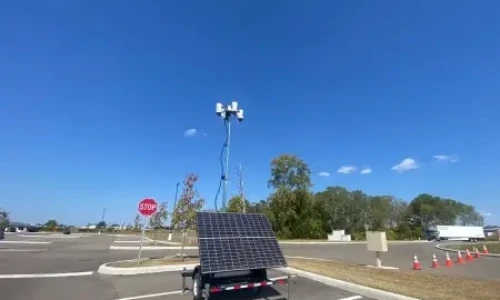
Whilst LotGuard’s Surveillance Trailers deliver high criminal deterrence and real-time incident intervention, Stellifii connects data, from incident reports, recorded footage, pattern identifications, and response information all into one platform, easily accessible to users.
Combined, they allow franchise managers and operators monitor live activity, identify hotspots, and deploy resources where they are needed most, without increasing labor cost or complexity.
We’ve outlined the key benefits of using LotGuard and Stellifii at your fast food restaurant or retail parking lot:
- Centralized Visibility of live feeds, alerts, and activity across all locations via one platform
- Consistent Deterrence through its 20ft mast and live audio deterrent features
- Flexible Deployment allowing Trailers to be moved with ease, which can even be completed via operators and employees themselves, or to other locations without the need for additional equipment
- Real-Time Intervention with live monitoring and voice-down deterrence to help stop issues before they occur or escalate
- Actionable Insight highlighted via Stellifii, allowing you to understand recurring trends to support smarter security decisions
- Streamlined Reporting provided via automated incident logs simplify incident reporting and communication across teams, partners, law enforcement, and insurers
- Low Operational Costs due to no permanent infrastructure requirements and flexible rental agreements, reducing the need for security guards
Related Articles:
Prevention Protects More Than the Parking Lot
Preventing loitering isn’t just about protecting your property late at night, it’s about safeguarding employees and customers, retaining brand trust, supporting overnight staff, and reducing unnecessary operational costs.
LotGuard prioritizes taking a proactive approach towards parking lot security, helping to prevent unwanted behavior in the moment, not responding after a crime has taken place.
Our mobile parking lot surveillance solutions provide business advantage, removing burden from staff and creating a welcoming space for customers to visit.
Take control of late-night parking lot activity with a proactive, mobile security solution built for multi-site operations. See how LotGuard and Stellifii can protect your locations after dark.

Contents
[hide]Related news
A Rise in Retail Theft: How to Protect your Business Against This
A surge in retail theft has seen the number of incidents increase above that of the number reported in the same period before the COVID-19 pandemic. But what’s the reality of retail crime on businesses and communities? Find out below. Read more
How Parking Lot Security Cameras Improve Retail Customer Experience
Ensuring a positive customer experience is paramount for your business. Be sure to enhance it by securing your parking lots with LotGuard. Read more
Top Tips for Reducing Retail Theft
LotGuard experts share tips on enhancing the performance of frontline staff and how mobile surveillance units can keep your retail stores and property safe. Read more
Contact Us
Request a Quote for LotGuard
Ready to learn more about how LotGuard can protect your Parking Lots and Properties during the holidays? Get in touch today for a free quote.